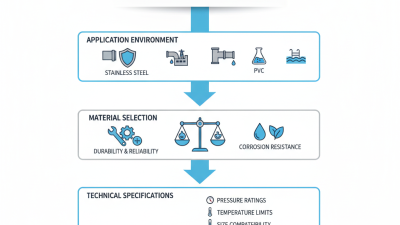
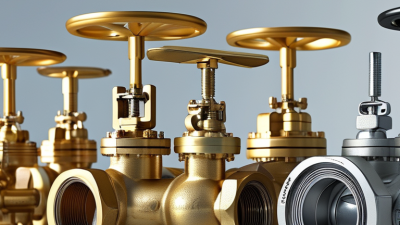
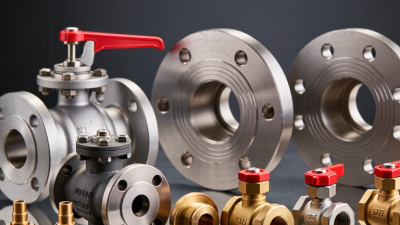
Industrial Valves rarely attract attention until a refinery, water plant, or power station cannot control its flow. These components regulate pressure, temperature, direction, and isolation across demanding industrial systems. A failed valve can cause production delays, safety concerns, and expensive maintenance. Therefore, global buyers need more than a familiar brand name.
Market research confirms the sector’s scale and steady development. Grand View Research estimates that the global industrial valves market was worth approximately USD 78 billion in 2023. Its report also forecasts continued growth through 2030, supported by energy, water treatment, chemical processing, and infrastructure investment. Fortune Business Insights reports similar expansion, although market values differ because research firms use different definitions and regional coverage. That difference deserves attention. Numbers are useful, but they are not perfect.
This guide reviews seven leading industrial valve manufacturers for international buyers. The assessment considers product breadth, manufacturing capability, certifications, material quality, engineering support, delivery reliability, and service coverage. Experience matters here. A stainless-steel ball valve installed in a corrosive chemical line faces different demands from a cast-iron gate valve used in municipal water service. Buyers should also verify pressure classes, temperature limits, actuator compatibility, testing records, and after-sales support before ordering.
No ranking fits every project. A manufacturer strong in oil and gas may not suit a compact food-processing facility. Regional inventory, local technicians, and documentation can matter as much as laboratory performance. The companies discussed below represent credible options, but responsible procurement still requires independent technical verification. That step protects budgets, equipment, and people.
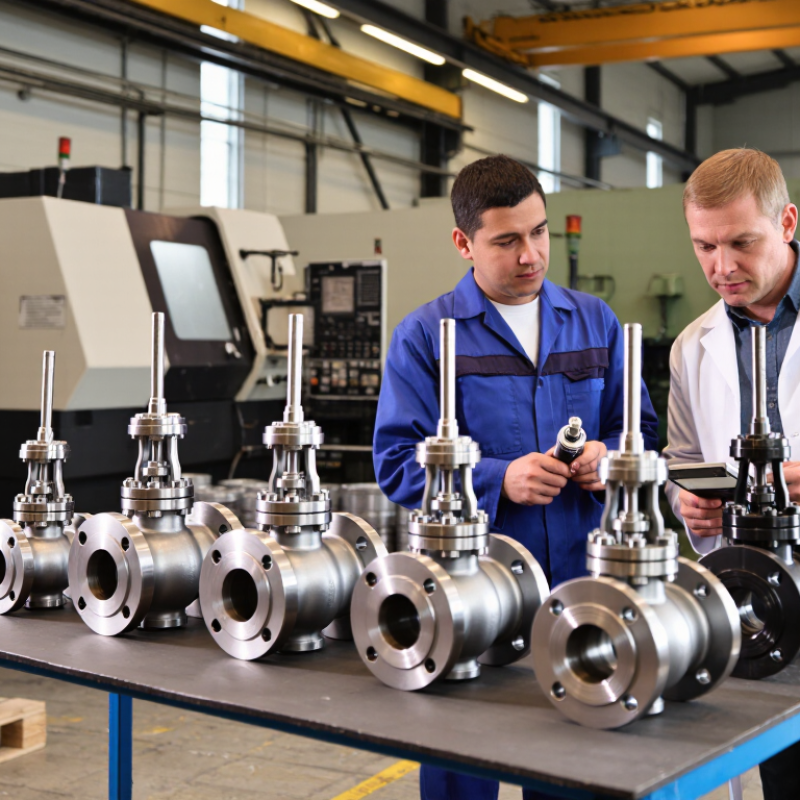
A leading industrial valve manufacturer is defined by more than a broad catalogue. The real test is whether its valves suit the process, media, pressure, temperature, and operating cycle. A valve installed on a steam line faces different demands from one handling abrasive slurry. Ask for pressure-temperature ratings, material traceability, leakage-test results, and documented inspection procedures. Clear answers matter.
The stakes are substantial. The International Energy Agency’s Industry report notes that industry used about 37% of global final energy in 2022. That figure is not valve-specific, but it shows why dependable flow control and efficient operation deserve close attention. Look for evidence of quality management, such as certification to ISO 9001, and testing aligned with relevant standards, including ISO 5208 for industrial valve pressure testing. Also assess spare-parts access, technical support, and realistic delivery schedules. A polished datasheet cannot replace field experience. Ask how the supplier handles corrosion, frequent cycling, and unexpected maintenance. Small details count. I would still compare claims against independent test records; certification alone does not guarantee a good fit.
| Evaluation dimension | What a leading manufacturer demonstrates | Evidence global buyers can verify |
|---|---|---|
| Product range | Supplies relevant valve types, such as gate, globe, check, ball, butterfly, and control valves, for the buyer’s application. | Catalogues, product data sheets, materials, size ranges, pressure classes, and end-connection options. |
| Standards and certification | Can manufacture and test products to specifications applicable to the project and destination market. | Applicable standards may include API, ASME, ISO, EN, and regional approvals; request current certificates and confirm their scope. |
| Quality management | Uses documented quality controls from incoming materials through machining, assembly, inspection, and final release. | A valid ISO 9001 certificate, inspection and test plans, material traceability records, and nonconformance procedures. |
| Testing capability | Performs tests required by the product standard and purchase specification, with calibrated equipment and recorded results. | Pressure-test procedures, test reports, calibration records, and access to witness or third-party inspection when specified. |
| Material and application expertise | Can advise on material selection and valve design for the stated fluid, temperature, pressure, corrosion, and operating conditions. | Engineering review, material specifications, pressure-temperature ratings, and documented suitability for the service conditions. |
| Delivery and supply reliability | Provides realistic lead times, production updates, export documentation, and protective packaging suited to transport and storage. | Written delivery commitments, order-status process, packing specifications, and sample export-document requirements. |
| After-sales support | Offers accessible technical support, clear warranty terms, and practical guidance for installation, operation, and maintenance. | Published warranty conditions, spare-parts availability, service contact details, and product maintenance documentation. |
Buyer note: “Best” depends on the application, applicable standards, total cost, delivery requirements, and verified supplier capabilities. Confirm product-specific claims and certificates before ordering.
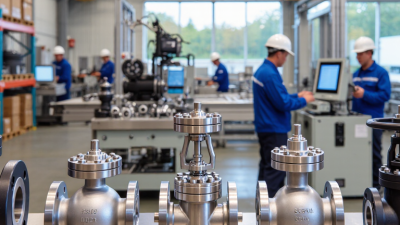
Industrial valve selection begins with the fluid, pressure, temperature, and required shutoff performance. Gate valves suit large pipelines where flow stays mostly open or closed. Globe valves provide steadier throttling for steam and process lines, though their pressure loss can be higher. Ball valves offer quick quarter-turn isolation in water, gas, and chemical services. Small details matter. Abrasive slurry can wear trim quickly, while hot steam demands materials and packing suited to repeated thermal cycles.
Control valves regulate flow, pressure, or temperature in power, refining, and water-treatment systems. Check valves help prevent reverse flow near pumps, but poor sizing may cause damaging chatter. The International Energy Agency’s Global Methane Tracker 2024 estimated that fossil-fuel operations emitted about 120 million tonnes of methane in 2023, underscoring the value of well-maintained isolation points and leak-conscious designs. In steelmaking, valve duty can involve hot gases, cooling water, and dust-laden flows. World Steel Association data put 2023 crude-steel production at about 1.89 billion tonnes, illustrating the scale of demanding process environments. A catalog match is not enough. Real service conditions can expose assumptions that looked fine on paper.
For global buyers, seven major industrial valve manufacturers are best compared by capability, not catalogue size. The strongest shortlist usually includes specialists in gate, globe, ball, butterfly, check, control, and severe-service valves. Each type solves a different operating problem. A gate valve may suit a fully open pipeline, while a control valve must regulate changing flow without excessive vibration. Details matter.
Grand View Research estimated the global industrial valves market at about US$79.4 billion in 2023, with projected growth of 4.3% annually from 2024 to 2030. This scale reflects demand across water, energy, chemicals, and manufacturing. Buyers should verify pressure and temperature ratings, materials, test records, and local service capacity. Ask for traceable inspection documents, not just a polished specification sheet. A supplier’s delivery promise can look convincing until a replacement part is needed. That risk is easy to overlook. Compare lead times, spare-parts access, and field support alongside purchase price. Also check whether the proposed design suits the actual fluid and duty cycle; a technically compliant valve may still perform poorly in the wrong application.
The chart compares standard ASME pressure classes commonly used when specifying industrial valves. Values represent approximate maximum pressure ratings at 38°C for a representative carbon-steel material group; actual ratings vary by material, temperature, valve design, and applicable standard.
Reference: ASME B16.34 pressure-temperature rating framework. Buyers should verify the complete pressure-temperature table and the manufacturer’s certified data before selecting a valve.
Comparing valve suppliers requires more than checking price or polished brochures. Start with design standards. API 6D suits pipeline valves, while API 598 covers inspection and pressure testing. ISO 5208 classifies seat leakage from Rate A to Rate G, making test results easier to compare. Do not accept “zero leakage” without the test method, pressure, medium, and duration.
Certification details matter. Request material certificates under EN 10204 Type 3.1, including heat numbers and chemical results. For sour-service equipment, verify compliance with ISO 15156, not merely a general corrosion statement.
The 2024 World Steel Association data shows global crude steel production exceeded 1.8 billion tonnes, yet steel quality still varies by grade, traceability, and heat treatment. More steel does not mean better valves.
Tips: Build a comparison sheet with pressure class, temperature range, body material, actuator cycle life, leakage rate, and inspection records. Ask for sample reports. Check whether the certificate covers the exact model, not only the factory.
From field experience, the weakest point is often documentation. A valve may perform well, but missing traceability can delay commissioning. I have also seen buyers overvalue certificates and undervalue maintenance access. That is a mistake. ISO 9001 proves a quality system exists; it does not guarantee every valve is flawless. Compare audit evidence, nonconformance records, and after-sales response time. Leave room for doubt. That protects the project.
Selecting among the seven best industrial valve manufacturers requires more than comparing prices. Grand View Research forecasts the global industrial valves market to grow at about 4.8% annually through 2030. This expansion increases supplier choices, but also raises quality risks. Experienced buyers should verify pressure ratings, body materials, trim compatibility, and documented testing before approval.
Ask each manufacturer for material certificates, hydrostatic test records, and dimensional drawings. For critical service, request fugitive-emission evidence and independent inspection. ISO 5208 and API 598 provide useful testing references, while project specifications should remain decisive. MarketsandMarkets estimates the industrial valves market could exceed 100 billion dollars by 2028. That scale makes traceability essential, not optional.
Look closely at delivery performance. A low quotation means little if spare parts arrive months late. Check production capacity, export packaging, multilingual documentation, and local technical support. Visit the factory when possible. Observe calibration labels, weld controls, and final inspection areas. Ask for recent project references in similar pressure and temperature conditions. Some manufacturers present impressive certificates but weak after-sales systems. I have seen this gap create costly site delays. It deserves more attention than glossy brochures.