10 Best Ball Valves for Global Buyers in 2026?

Buying industrial valves across borders is rarely a simple catalog decision. In 2026, Ball Valves must match media, pressure, temperature, connection standards, and maintenance plans. A compact valve can still cause costly downtime when its seat material is poorly selected. This guide examines ten leading options for global buyers, using practical criteria rather than attractive specifications alone.

The selection considers stainless steel, carbon steel, brass, and specialized alloys where service conditions demand them. It also reviews floating and trunnion-mounted designs, full-port performance, fire-safe construction, and actuator compatibility. Evidence matters. Buyers should request pressure-test reports, material certificates, dimensional drawings, and batch traceability before approval. Supplier experience matters too, especially when replacement parts must cross borders quickly. Certifications can support confidence, but they do not replace application-specific engineering review.

Each candidate is discussed through operating range, sealing reliability, corrosion resistance, lifecycle value, and after-sales support. Real performance depends on installation quality, fluid cleanliness, cycling frequency, and local service skills. That is easy to overlook. No ranking can fit every plant, pipeline, or water system. Some judgments remain provisional because product revisions, regional standards, and published data may change. Readers should confirm current documentation and independent test evidence with manufacturers or authorized distributors. The aim is a useful shortlist, not a promise of failure-free service. Careful comparison saves money, but practical verification remains essential.
10 Best Ball Valves for Global Buyers in 2026?

Ball Valve Basics: Types, Materials, Designs, and Operating Principles

Ball Valve Basics: Types, Materials, Designs, and Operating Principles

Global buyers need more than a polished handle. A ball valve uses a drilled sphere to control fluid through a quarter-turn movement. Turn the stem, and the port aligns with the pipeline. This action gives fast isolation and low pressure loss.

Full-port designs suit water, gas, and process lines because the opening nearly matches the pipe diameter. Reduced-port designs cost less and may lower weight. The choice is rarely universal.

Floating-ball valves let line pressure press the ball against the downstream seat. Trunnion-mounted valves use additional supports for larger, higher-pressure pipelines.

Stainless steel resists corrosion, while carbon steel often serves general industrial service. Brass can work well in moderate water systems.

Seat materials matter just as much. PTFE handles many chemicals, but temperature and abrasion can expose its limits. Metal seats tolerate heat, though they may leak slightly more.

Grand View Research estimated the global industrial valves market at about 78 billion US dollars in 2023, with continued growth through 2030. That demand reflects energy, water, chemical, and manufacturing projects.

API 6D and ASME B16.34 provide important design and testing references. ISO 5211 helps match actuators with valve mounting interfaces.

In field inspections, incorrect material selection remains a recurring weakness. A valve may fit perfectly and still fail early. My practical view is cautious: verify media, pressure, temperature, cycling frequency, and shutdown requirements before comparing prices.
How to Evaluate Ball Valves for International Industrial Applications

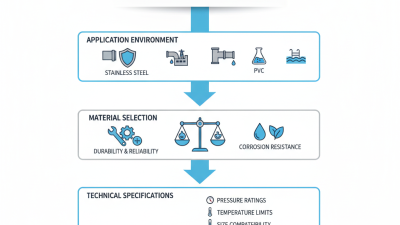
For international industrial applications, ball valve selection starts with service conditions, not catalogue popularity.

The global industrial valves market was valued at approximately USD 79 billion in 2023, according to Fortune Business Insights’ 2024 market report. That scale hides a practical issue: a valve suited to clean water may fail quickly in abrasive slurry, steam, or corrosive chemicals.

Define the medium, temperature, pressure, flow direction, and operating frequency. Check the pressure-temperature rating at the real temperature, not only at room temperature.

For gases, verify leakage performance against ISO 5208 or API 6D requirements. Material compatibility also matters. Stainless steel, carbon steel, and reinforced polymer seats behave differently under cycling and chemical exposure. Small details matter.

Field experience often exposes weak specifications.

The International Energy Agency reports that industry remains one of the world’s largest energy-consuming sectors, making leakage and maintenance economically significant. Select full-port designs when pressure loss affects pumping costs. Consider fire-safe construction, antistatic features, cavity relief, and actuator torque margins where risk assessments require them. Request material certificates, test records, and traceability documents from suppliers. Independent inspection can be worthwhile for critical lines. I would not rely on a low price alone; however, specifying every premium feature can also waste budget. The better decision connects valve design with measurable process risk, local maintenance skills, spare-part access, and applicable import standards.

The 10 Best Ball Valves for Global Buyers in 2026

The 10 Best Ball Valves for Global Buyers in 2026

The 10 best ball valves for global buyers in 2026 are not identical products. They suit different fluids, pressures, temperatures, and installation conditions. A stainless-steel full-port valve works well where flow restriction must remain low. A reduced-port design can save space and cost. For corrosive media, carefully selected alloys or lined interiors may offer better service life.

Other strong choices include floating ball valves, trunnion-mounted valves, three-way valves, cryogenic valves, high-temperature valves, sanitary valves, threaded valves, flanged valves, and automated valves. From field experience, the connection type often causes more trouble than the valve body. Thread standards must match. Flange dimensions require careful verification. One small mismatch can delay a complete shipment.

Tips: Check pressure ratings at the actual operating temperature. Request material certificates, pressure-test records, dimensional drawings, and clear installation instructions. Confirm whether the actuator needs fail-open or fail-closed operation. Ask about spare seals, lead time, packaging, and inspection support. Do not judge quality from polished surfaces alone. Test evidence matters more.

Global buyers should also review supplier traceability and communication quality. Reliable documentation reduces customs questions and maintenance errors. However, no shortlist is perfect. A valve suitable for clean water may fail quickly in abrasive slurry. A cheaper option may become expensive after repeated seal replacement. Review the full operating picture before choosing. Real conditions are rarely as neat as the specification sheet.

Comparing Performance, Certifications, Prices, and Supplier Reliability

For global buyers in 2026, the best ball valves must balance performance, certification, price, and supplier reliability. A strong valve should complete smooth quarter-turn operation without sticking after repeated pressure cycles. Stainless steel bodies suit corrosive fluids, while reinforced seats can improve sealing under temperature changes. Check pressure ratings, temperature limits, torque requirements, and leakage test results before comparing models. Small details matter. A valve that works well in a clean workshop may fail when exposed to dust, vibration, or frequent operation.

Certification claims need careful verification. Ask for current test reports, material traceability, factory quality records, and certificates relevant to the intended market. Standards such as ISO 9001, API specifications, ISO 15848, or regional conformity requirements may apply differently by service and destination. Do not accept a certificate image alone. Confirm its scope and issuing organization. Price comparisons should include actuators, testing, packaging, freight, spare parts, and import costs. The lowest quotation is rarely the lowest ownership cost. Supplier reliability is easier to judge through production lead times, inspection access, response speed, and documented after-sales support. A practical test is requesting a sample data package before placing a large order. I have seen polished catalogs hide unclear tolerances and incomplete maintenance instructions. That weakness deserves attention. Good suppliers welcome technical questions, admit limits, and provide consistent answers across engineering and sales teams.

10 Best Ball Valves for Global Buyers in 2026? - Comparing Performance, Certifications, Prices, and Supplier Reliability

Comparative guide based on commonly specified industrial valve configurations, international standards, documentation quality, and indicative 2026 market pricing.

Rank / Valve Profile Recommended Application Size & Bore Body / Trim Connection & Rating Temperature Range Key Certifications & Standards Typical Lead Time Indicative Price Supplier Reliability Score
01 · Profile A General process water, air, and non-corrosive fluids DN15–DN50
Full bore
Forged brass or stainless steel
PTFE seats
Threaded or socket weld
Class 150–300
−20°C to +180°C ASME B16.34; ISO 5211 mounting option; pressure test to ISO 5208 2–5 weeks US$18–85 per valve 8.8 / 10
02 · Profile B Oil, gas, and hydrocarbon service requiring fire-safe design DN25–DN100
Reduced or full bore
Carbon steel or stainless steel
PTFE / graphite packing
Flanged RF
Class 150–600
−29°C to +200°C API 608; API 607 fire test; ASME B16.34; ISO 15848-1 option 6–10 weeks US$180–1,250 per valve 9.3 / 10
03 · Profile C Corrosive chemicals, seawater, and chloride-containing media DN15–DN150
Full bore
CF8M / duplex stainless steel
PTFE or PEEK seats
Flanged or threaded
Class 150–300
−46°C to +200°C ASTM material traceability; EN 10204 3.1; ISO 5208; NACE MR0175 option 6–12 weeks US$220–1,800 per valve 9.1 / 10
04 · Profile D Steam, thermal oil, and high-temperature utility systems DN25–DN200
Full bore
Forged carbon steel or alloy steel
Graphite seats and packing
Butt-weld or flanged
Class 300–600
−29°C to +400°C ASME B16.34; API 608; ISO 15848-1 low-emission option; PMI available 8–14 weeks US$450–3,200 per valve 8.9 / 10
05 · Profile E Natural gas distribution and clean fuel applications DN25–DN300
Reduced bore
Ductile iron or carbon steel
Reinforced PTFE seats
Flanged or grooved
PN16–PN40 / Class 150
−20°C to +80°C EN 13774; EN 161; ISO 5208; ATEX actuator option 4–8 weeks US$120–950 per valve 8.7 / 10
06 · Profile F Food, beverage, pharmaceutical, and hygienic processing DN15–DN100
Full bore
316L stainless steel
FDA-compliant PTFE or elastomers
Tri-clamp or sanitary weld
10–16 bar typical
−20°C to +150°C 3-A sanitary option; EHEDG design option; FDA 21 CFR 177.1550 materials; ISO 2852 5–9 weeks US$140–1,100 per valve 8.6 / 10
07 · Profile G Cryogenic gases, LNG support systems, and low-temperature service DN15–DN150
Full bore
Austenitic stainless steel
Extended bonnet; PTFE or PCTFE seats
Flanged or butt-weld
Class 150–600
−196°C to +120°C BS 6364; API 625 testing principles; ISO 5208; EN 10204 3.1 10–18 weeks US$700–5,500 per valve 8.4 / 10
08 · Profile H High-pressure chemical, power, and process plant duties DN15–DN100
Reduced bore
Forged stainless or alloy steel
Metal-supported polymer seats
Threaded, socket weld, or flanged
Class 600–1,500
−46°C to +250°C API 608; ASME B16.34; API 6FA or API 607 option; NACE MR0175 option 10–20 weeks US$900–7,500 per valve 9.0 / 10
09 · Profile I Automated on/off control for water, HVAC, and light industrial systems DN15–DN100
Full or reduced bore
Brass or stainless steel
PTFE seats; aluminum actuator
Threaded or flanged
PN10–PN40 / Class 150
−10°C to +120°C ISO 5211; IEC 60534 actuator interface principles; IP65–IP68 enclosure options 3–7 weeks US$90–780 per assembled unit 8.5 / 10
10 · Profile J Large-diameter water transmission, irrigation, and utility networks DN150–DN600
Full bore
Ductile iron or carbon steel
EPDM / PTFE lining options
Double-flanged
PN10–PN25
0°C to +80°C EN 593; ISO 5208; EN 1092-2; WRAS or NSF/ANSI 61 option for potable water 8–16 weeks US$650–6,800 per valve 8.3 / 10

Buyer notes

  • Prices are indicative 2026 international market ranges in USD per valve or assembled valve package, excluding freight, taxes, actuators, special testing, and project-specific engineering.
  • Certifications and options must be confirmed against the actual purchase order, valve size, pressure class, materials, and destination-market requirements.
  • Supplier reliability scores are comparative planning scores based on expected documentation quality, production consistency, lead-time transparency, quality-control capability, and after-sales support; they are not third-party ratings.
  • Pressure-temperature limits, chemical compatibility, fire-safe suitability, and emissions performance require project-specific verification before purchase.

How to Select, Purchase, Install, and Maintain the Right Ball Valve

10 Best Ball Valves for Global Buyers in 2026

Selecting a ball valve starts with the process, not the catalog photograph. Record the medium, pressure, temperature, pipe size, and connection type. Water, steam, chemicals, and abrasive slurry require different materials and sealing designs.

A stainless steel body may resist corrosion, but it is not automatically suitable for every fluid. Check the valve’s pressure-temperature rating and test documentation. Ask for traceable material certificates, dimensional drawings, and inspection records. Reliable suppliers should answer clearly.

Purchase decisions also depend on installation conditions. Choose a full-port valve when pressure loss matters, such as in long water lines. Use a reduced-port design when space or cost has greater importance. Confirm the actuator torque, mounting pattern, and fail position before ordering an automated valve. Small errors become expensive.

Install the valve with clean, aligned pipes and adequate support. Never force the body to correct pipe misalignment. Keep the handle accessible, and follow the flow direction when the design requires it.

After installation, perform a controlled pressure test and inspect every joint for leakage. During maintenance, cycle the valve periodically, check packing compression, and remove surface corrosion. Do not apply random lubricant; it may damage seals or contaminate the process.

My own field experience says specifications are often incomplete. Recheck them with the operator before approval. Pause when uncertain. Reliable selection sometimes means rejecting a convenient purchase.