How to Choose the Right Ball Valves for Your Needs?
Choosing the right ball valves is critical for various applications. These valves are essential in controlling flow and pressure. Understanding their features can lead to better performance and efficiency.
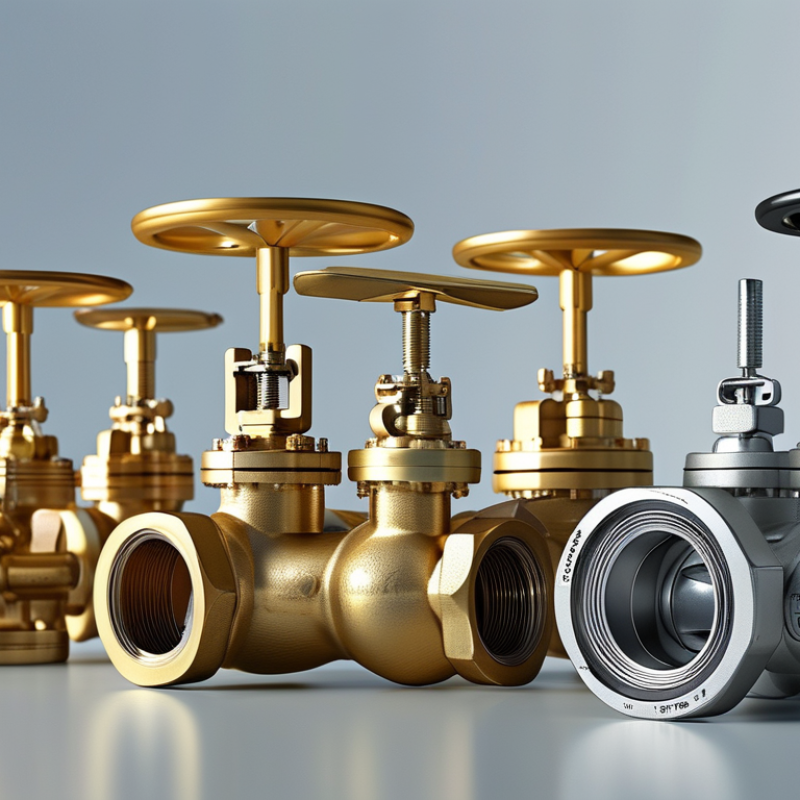
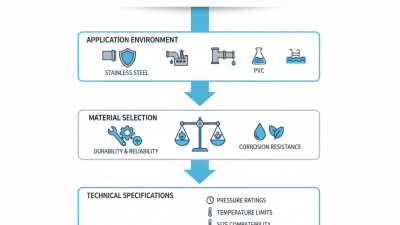
When selecting ball valves, consider the materials used. Options include brass, stainless steel, and PVC. Each material has advantages and disadvantages. Proper fit and compatibility with your system matter greatly.
Think about the pressure and temperature ratings of the ball valves. Not all valves perform well under extreme conditions. Quality checks and certifications can provide assurance, but it’s wise to reflect on real-world usage before making a choice. Familiarization with specifications fosters more reliable decision-making.
Understanding the Basics of Ball Valves and Their Applications
Ball valves are essential components in various industries. They control flow with a simple quarter-turn operation. Understanding the basics of ball valves can help in selecting the right type for specific applications. According to a recent market report, the global ball valve market is expected to reach $23 billion by 2025. This growth indicates the increasing importance of efficient fluid management.
Ball valves come in different materials and designs. Common materials include stainless steel, brass, and PVC. Each material has its unique applications and limitations. For example, stainless steel is often used in high-pressure systems. Conversely, PVC is typically used in lower pressure and corrosive environments. Choosing the right material can significantly impact the longevity and performance of the valve.
The size and design of the valve also matter. Many designs suit specific flow rates and pressures. For instance, a full port ball valve has a larger opening than a standard port valve. This difference can enhance flow efficiency. However, users sometimes overlook these details. Each application has specific needs, and one size does not fit all. It is crucial to assess the operating conditions before making a decision to avoid future complications.
Key Factors to Consider When Choosing Ball Valves
When selecting the right ball valves, consider vital factors that impact performance. Start with the material.
Stainless steel, brass, and plastic are common choices. Each material has unique strengths. Stainless steel
resists corrosion, while plastic is lightweight. Assess the environment where the valve will be used.
High-pressure systems require more durable materials, while low-pressure applications might not need as robust options.
Next, evaluate the valve size. An oversized valve can lead to wastage, while a small one may restrict flow.
Measure your piping correctly to ensure compatibility. Don’t forget about the valve's connection type.
Flanged, threaded, or welded connections all serve different applications. Each has its benefits and drawbacks.
Testing a few configurations can reveal insights that specifications might not show.
Pressure rating is another essential factor. Match the valve's rating with your system's requirements.
A valve rated too low may lead to failures, making safety paramount. Finally, seek advice from experts.
Reliable resources can guide you towards a suitable choice. Reacting to feedback, especially about performance,
is crucial for making the right decisions. Consider the long-term implications as you choose your ball valve.
Different Types of Ball Valves and Their Advantages
When selecting the right ball valves, understanding their types and advantages is crucial. The three most common types are floating ball valves, trunnion-mounted ball valves, and reduced bore ball valves. Each type serves different operational needs. Floating ball valves are typically used in low-pressure applications. They offer simple operation and are generally more cost-effective, making them a popular choice for many users.
Trunnion-mounted ball valves, on the other hand, are better suited for high-pressure systems. A report from the American Society of Mechanical Engineers states that their design reduces operating torque and extends the lifespan of the valve. This advanced functionality is essential for industries like oil and gas, where reliability is paramount. Reduced bore ball valves offer a smaller flow area, which can cause a pressure drop. However, they are beneficial in applications where space is limited.
The choice of valve type also impacts maintenance and repair costs. Research indicates that well-chosen ball valves can reduce operational downtime by up to 30%. However, not every situation calls for high-end solutions. Many users find that a simple floating valve suffices for everyday applications. It's essential to weigh the specific needs against performance capabilities before making a decision.
How to Choose the Right Ball Valves for Your Needs?
| Type of Ball Valve |
Advantages |
Common Applications |
Material Options |
| Floating Ball Valve |
Reliable sealing, simple design, cost-effective |
Oil and gas, water supply, HVAC |
Steel, PVC, brass |
| Trunnion Ball Valve |
Excellent for high pressure, minimal wear |
Pipeline, petrochemical, water treatment |
Stainless steel, alloy |
| V-ball Valve |
Flow control capability, allows for throttling |
Chemical processing, agriculture, food production |
Plastic, metal |
| Electric Ball Valve |
Automated operation, remote control capability |
Building automation, water control systems |
Bronze, stainless steel |
Material Choices for Ball Valves: What You Need to Know
When selecting ball valves, material choice is crucial. The material impacts durability, performance, and cost. Common materials include brass, stainless steel, and plastic. Each has unique properties that suit different environments. For instance, stainless steel is excellent for high-pressure systems. It resists corrosion, making it ideal for harsh chemicals. According to industry reports, stainless steel ball valves account for 30% of the market due to their reliability.
Brass valves, while generally less expensive, are suitable for water and gas applications. They offer good strength and work well in moderate pressure environments. However, brass can corrode under certain conditions. Plastic ball valves, often made from PVC or CPVC, are lightweight and resistant to chemical damage. They are suitable for acidic fluids but may not withstand high temperatures.
Choosing the wrong material can lead to failures and costly repairs. Industry studies suggest that improper material selection causes 15% of system malfunctions. Understanding your specific needs is essential. Evaluating factors like temperature, pressure, and the type of fluid will guide your decision. Investing time here prevents future problems, ensuring the reliability of your system.
Maintenance and Installation Tips for Optimal Performance
Proper installation and maintenance of ball valves are crucial for ensuring their optimal performance. Before installation, it's important to clean the pipeline thoroughly. Any debris can cause leaks and damage. When handling the valves, check for any visible defects. Even small flaws can lead to serious issues later. Always install the valve in the correct orientation. Misalignment can cause failures that are challenging to rectify.
Regular maintenance is essential. Inspect the valves periodically for signs of wear, such as corrosion or leakage. If a valve becomes difficult to operate, it may indicate the need for greasing or replacement. Note that ball valves can sometimes seize if left unused for extended periods. Running water through them regularly helps to keep them functional.
Consider the environment where the valves are located. Exposure to harsh chemicals or extreme temperatures can weaken the material. Choosing the right materials based on the surrounding conditions enhances durability. Keeping a maintenance log can help track performance over time. This practice allows for better planning concerning potential issues. Each valve is unique, so understanding its specific needs is key.