2026 Top High Pressure Check Valve Types for Global Buyers

Choosing a High Pressure Check Valve in 2026 requires more than comparing catalog pressure ratings. Global buyers must match the valve design with fluid behavior, temperature, installation space, and maintenance conditions. Swing, lift, piston, ball, wafer dual-plate, and axial check valves each respond differently to flow reversal. A compact wafer valve may suit a crowded pipeline, while a piston design can provide controlled closing in demanding process systems.

Real-world selection begins with operating data. Confirm the maximum working pressure, pressure class, temperature range, line size, flow direction, and required cracking pressure. Consider water hammer, pulsation, corrosive media, and frequent cycling. Stainless steel may improve resistance in some services, but it is not automatically the best choice. Alloy selection must reflect the actual medium and site conditions. Small details matter.

This guide reviews leading High Pressure Check Valve types for international purchasing teams. It compares construction, response speed, sealing performance, installation orientation, inspection needs, and lifecycle value. Reliable suppliers should provide material certificates, pressure-test records, dimensional data, and traceable manufacturing information. Relevant ASME, API, ISO, or regional requirements should also be verified for the intended application.

No single valve wins everywhere. Our comparison may challenge common buying habits. Price alone can hide replacement costs, pressure loss, or poor closing behavior. Even experienced engineers can overlook field vibration or maintenance access. Therefore, treat this guide as a practical starting point, then confirm every decision with qualified technical specialists and project-specific calculations.
2026 Top High Pressure Check Valve Types for Global Buyers

What Is a High Pressure Check Valve?

2026 Top High Pressure Check Valve Types for Global Buyers

What Is a High Pressure Check Valve?

A high pressure check valve is an automatic, one-way flow device. It opens when upstream pressure exceeds downstream pressure. It closes when flow reverses, protecting pumps, compressors, pipelines, and pressure vessels from backflow.

The term “high pressure” has no single global threshold. It depends on the pressure class, temperature, fluid, and applicable standard. A spring-loaded valve usually responds quickly, while a piston check valve offers stable sealing under pulsating flow. Swing and dual-plate designs can reduce pressure loss, but installation direction matters. Small details matter here.

According to Grand View Research, the global industrial valves market was valued at approximately US$78 billion in 2023. Its forecast points to continued growth through 2030, supported by energy, water, and process industries. This broader market data does not isolate check valves, so buyers should avoid treating it as exact niche demand. That distinction is easy to miss.

For global purchasing, compare pressure class, body material, seat design, cracking pressure, and allowable temperature. API 6D, ASME B16.34, and ISO 5208 can guide design and testing decisions. Field experience also shows that oversized valves may slam during shutdowns. A quieter valve is not always a safer valve. Verify flow velocity, installation space, maintenance access, and test records before approval.
How High Pressure Check Valves Work

High pressure check valves protect pipelines by allowing flow in one direction and blocking reverse movement. A disc, piston, ball, or spring mechanism responds to pressure differences. When inlet pressure exceeds cracking pressure, the valve opens. When flow weakens or reverses, it closes.

The 2024 Global Industrial Valves Market report by Grand View Research valued the market at about USD 78.5 billion in 2023. It also forecasts roughly 4.8% annual growth through 2030. This demand reflects expanding energy, water, chemical, and process industries. High pressure designs must manage velocity, pressure shock, and repeated cycling. API 594 and ASME B16.34 provide widely used guidance for check valve construction and pressure integrity. ISO 5208 supports leakage testing.

Closure speed matters. A slow swing disc may reduce resistance, yet it can permit reverse flow before sealing. A spring-loaded piston usually closes faster, but its spring can increase pressure loss. Axial designs offer compact flow paths and controlled movement. Field inspections often find an overlooked issue: poor installation orientation. Debris, vibration, and unstable flow can prevent full seating. The calculation may look perfect.

A 2023 report from MarketsandMarkets estimates the industrial valves market will continue growing with infrastructure investment. However, market growth does not remove design uncertainty. Buyers should compare cracking pressure, allowable backpressure, material compatibility, test records, and maintenance access. Small details matter. A valve that closes quietly in testing may slam inside a long pipeline. That risk deserves real operating data.

2026 Top High Pressure Check Valve Types for Global Buyers - How High Pressure Check Valves Work

Valve Type How It Works Flow Path and Installation Typical High-Pressure Applications Main Advantages Key Limitations Common Materials Important Selection Factors
Swing Check Valve A hinged disc swings open when upstream pressure and flow exceed the downstream pressure. The disc returns to the seat when flow stops or reverses. Straight-through flow; normally installed in horizontal lines, although some designs permit vertical installation with upward flow. Water transmission, process piping, hydrocarbon lines, cooling systems, and large-diameter pressure pipelines. Low pressure drop Large size suitable Simple construction May slam during rapid flow reversal; not usually preferred for pulsating flow or applications requiring very fast shutoff. Carbon steel, stainless steel, alloy steel, ductile iron, and nickel-based alloys for demanding services. Disc inertia, flow velocity, surge risk, installation orientation, seat design, and required pressure class.
Tilting-Disc Check Valve A disc pivots around an offset shaft. The reduced travel and balanced movement allow faster closure than a conventional swing disc. Straight-through flow; commonly used in horizontal or vertical piping according to the design specification. High-flow water systems, power facilities, compressor discharge lines, and large industrial process piping. Reduced water hammer Lower disc travel Good for large diameters More complex than a standard swing valve; shaft, bearing, and disc design must be suitable for the operating medium. Stainless steel, carbon steel, alloy steel, and corrosion-resistant trim materials. Closing speed, pressure pulsation, shaft loading, flow profile, maintenance access, and allowable reverse flow.
Lift Check Valve A piston or poppet lifts vertically from its seat when upstream pressure is sufficient and drops back onto the seat when flow reverses. Requires a stable flow direction and is commonly installed in horizontal piping; many designs require the seat to remain horizontal. Steam, gas, liquid process lines, boiler systems, refinery piping, and high-pressure compressor discharge service. Reliable shutoff High-pressure capability Suitable for clean fluids Higher pressure drop than many full-bore swing designs; sensitive to dirt, excessive velocity, and incorrect orientation. Carbon steel, stainless steel, alloy steel, hardfaced trim, and high-temperature alloys. Minimum inlet pressure, pressure drop, fluid cleanliness, temperature, seat leakage class, and installation position.
Piston Check Valve A piston moves axially inside a guide or cylinder. Upstream pressure opens the piston, while reverse pressure and gravity or a spring close it against the seat. Usually installed in horizontal lines; some spring-assisted designs support specified vertical arrangements. High-pressure steam, gas processing, hydraulic systems, chemical plants, and reciprocating equipment discharge lines. Strong shutoff Good pressure resistance Stable guided movement Can experience wear or sticking when the fluid contains solids; pressure loss may be significant at high flow rates. Forged carbon steel, stainless steel, chrome-molybdenum steel, and corrosion-resistant seat materials. Spring force, piston clearance, pressure differential, temperature cycling, particle content, and maintenance requirements.
Spring-Loaded Inline Check Valve A spring pushes a poppet, ball, or disc onto the seat. Forward pressure compresses the spring and opens the valve; reverse pressure allows immediate closure. Compact inline flow path; many models can be installed in horizontal or vertical lines if the arrow and spring orientation requirements are followed. Hydraulic power units, instrumentation, gas systems, chemical dosing, pressure-control circuits, and compact skid packages. Fast response Compact design Flexible orientation Spring cracking pressure can restrict flow; small passages may be unsuitable for contaminated or highly viscous media. Stainless steel, carbon steel, brass, nickel alloys, elastomers, and engineered thermoplastics for compatible services. Cracking pressure, maximum reverse pressure, flow coefficient, spring material, seal compatibility, and fluid cleanliness.
Dual-Plate Check Valve Two semicircular plates open around a central hinge or shaft under forward flow. Springs help return the plates to the seat when flow decreases. Wafer-style, short face-to-face design; commonly installed between flanges in horizontal or vertical piping according to the manufacturer’s orientation requirements. Power generation, water systems, fire-protection piping, chemical processing, and high-pressure utility lines. Lightweight Short installation length Quick closure Not suitable for every pulsating or highly turbulent service; spring and plate components require correct sizing and material selection. Stainless steel, carbon steel, alloy steel, ductile iron, and resilient or metal seat materials. Flange standard, flow velocity, spring torque, reverse-flow surge, seat leakage, and space limitations.
Diaphragm Check Valve A flexible diaphragm deflects away from the seat under forward pressure and returns to the seat when pressure falls or reverses. Typically installed inline; the diaphragm separates the moving element from external mechanisms and can support clean, corrosive, or sanitary service when properly selected. Corrosive chemical lines, water treatment, pharmaceutical processing, laboratory systems, and low-contamination process applications. Low contamination risk Good corrosion isolation No sliding metal stem Diaphragm temperature, pressure, fatigue life, and chemical compatibility can limit the usable operating range. PTFE, EPDM, FKM, elastomer compounds, reinforced fabric diaphragms, and corrosion-resistant body materials. Diaphragm material, temperature, chemical compatibility, pressure differential, cycle frequency, and cleanliness requirements.
Ball Check Valve A spherical ball moves away from the seat during forward flow and returns to the seat under reverse pressure, gravity, or spring force. Compact inline configuration; orientation depends on whether the ball is gravity-operated or spring-assisted. Slurry handling, wastewater, chemical transfer, pump discharge, and selected high-pressure liquid services. Simple mechanism Can handle some solids Easy maintenance in some designs Ball movement and seat wear can increase pressure drop; unsuitable ball and seat combinations may cause leakage or sticking. Stainless steel, alloy steel, ductile iron, rubber-lined components, PTFE, and other compatible seat materials. Ball density, seat geometry, solids content, viscosity, pressure drop, reverse-flow conditions, and wear resistance.
Buyer note: A high-pressure check valve must be selected by pressure class or design rating, temperature, medium compatibility, flow rate, allowable pressure drop, installation orientation, seat leakage requirements, and expected pressure transients. Pressure ratings are design- and standard-specific; they should not be treated as interchangeable across valve types or piping standards.

Main Types of High Pressure Check Valves

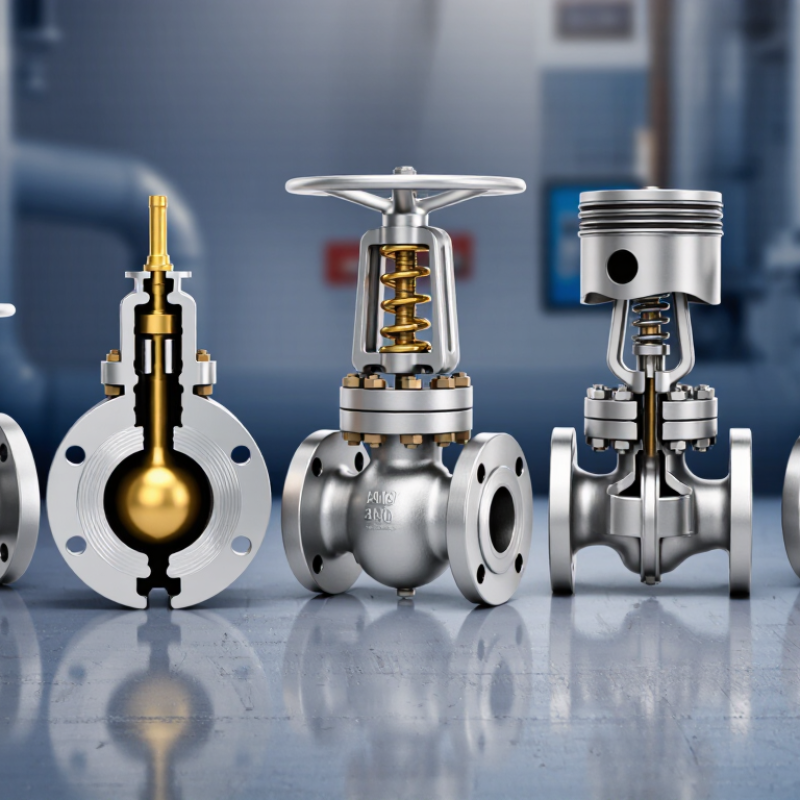
High pressure check valves prevent reverse flow in pipelines, pumps, and process equipment. Their internal design determines response speed, pressure loss, and maintenance needs. Swing check valves use a hinged disc that opens with forward flow. They suit relatively clean fluids and larger pipelines. However, the disc needs enough flow velocity to remain stable. Low flow can cause chattering and premature wear.

Lift check valves guide a piston or disc vertically inside the body. They provide reliable sealing under high pressure, especially when installed in clean, steady-flow systems. Their pressure drop may be higher than expected. Axial or nozzle check valves use a spring-loaded disc that travels along the flow path. They respond quickly and reduce reverse-flow shock. This makes them useful near compressors, pumps, and pressure-sensitive equipment. Spring selection matters. A spring that is too strong can restrict flow.

Dual-plate check valves contain two spring-assisted plates and offer compact installation. Their lighter plates can close faster than many swing designs. Piston check valves provide controlled movement and strong shutoff, but they require careful attention to clearance and fluid cleanliness. During specification, buyers should verify pressure class, temperature range, body material, seal compatibility, and installation direction. Field inspections often reveal a simple problem: the valve type was correct, but the pipe layout was not. Turbulence, vibration, and poor support can defeat a well-designed valve. No type is universally best. Real operating data should challenge the first selection.

2026 Top High Pressure Check Valve Types for Global Buyers

This chart shows the pressure ratings associated with ASME B16.34 pressure classes for a carbon-steel pressure boundary at approximately 38°C (100°F). The main high-pressure check valve types include swing, lift or piston, ball, dual-plate, and tilting-disc designs.

Lift/piston and ball check valves are commonly selected for high-pressure, low-backflow applications, while swing, dual-plate, and tilting-disc valves are often preferred when lower pressure drop, compact installation, or larger pipeline sizes are important. Actual ratings depend on body material, temperature, end connection, size, and applicable standards.

How to Select the Right Valve for Global Applications

Selecting a high-pressure check valve for global applications requires more than comparing pressure ratings. Start with line pressure, temperature, fluid chemistry, flow direction, and installation angle. A valve rated for 10,000 psi may still fail if its seals cannot tolerate sour gas or rapid temperature changes. API 6D and ASME B16.34 provide useful design references, while ISO 5208 supports pressure-testing verification.

Market data shows why careful selection matters. Grand View Research estimates the global industrial valves market could reach about USD 98 billion by 2030, with energy and chemical projects driving demand. Fortune Business Insights also forecasts steady industrial valve growth through 2032. These figures suggest more cross-border procurement, but documentation quality remains uneven. Request material certificates, pressure-test records, traceability data, and clear marking. Do not assume a familiar standard covers every application.

Tips: Match cracking pressure with pump performance. Use spring-loaded designs for stable backpressure control. Consider piston or lift checks for severe service. For contaminated fluids, inspect internal clearances carefully. Field teams often discover that oversized valves close too slowly, causing reverse flow and water hammer. Smaller is not always better, either. Confirm the actual flow range, not only the maximum rating. Country-specific certification, spare-part availability, and local technical support should influence the final choice. A perfect datasheet cannot replace a realistic installation review.

Key Standards, Materials, and Maintenance Requirements

High-pressure check valves demand more than a pressure-rating match. Swing, lift, piston, ball, and dual-plate designs behave differently during pump trips and rapid flow reversal. A dual-plate valve may reduce water hammer in compact piping, while a piston valve often suits pulsating compressor discharge. Selection must consider flow direction, cracking pressure, temperature, and installation position.

ASME B16.34 defines pressure-temperature ratings and material requirements for many valve constructions. API 6D is widely used for pipeline valves, while API 598 and ISO 5208 establish pressure-testing practices. For sour service, ISO 15156 limits material choices according to hydrogen sulfide exposure. Carbon steel can serve ordinary systems, but stainless steel, duplex alloys, or nickel-based trim may be necessary in chloride, seawater, or corrosive gas environments. Material compatibility matters more than a thicker body.

Maintenance should follow operating risk, not only calendar intervals. The International Energy Agency reported about 120 million tonnes of methane emissions from fossil-fuel operations in 2023. A leaking check valve can worsen those losses, especially around compressor stations. Inspectors should record reverse leakage, hinge movement, disc impact marks, and gasket condition. Functional testing after isolation is essential. Keep it practical.

In my experience, many failures begin with incorrect flow direction or oversized valves. That detail is easy to miss. A clean datasheet cannot replace a site walkdown, and standards do not eliminate poor installation. Temperature cycling, dirty fluid, and unstable pumps deserve separate maintenance plans.