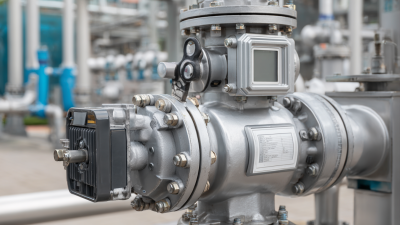
Why Are Cryogenic Valves Essential for Global Buyers?
Global energy systems are becoming colder, larger, and more interconnected. The International Gas Union’s 2024 World LNG Report recorded approximately 404 million tonnes of global LNG trade in 2023. Each shipment depends on valves that can control fluids near -162°C. That temperature exposes weak seals, unsuitable alloys, and poor maintenance decisions quickly.
Cryogenic Valves support LNG terminals, liquid hydrogen plants, medical oxygen systems, and aerospace test facilities. They must manage thermal contraction, pressure changes, fugitive emissions, and emergency isolation. The International Energy Agency’s Global Hydrogen Review 2024 reported that announced low-emissions hydrogen projects could represent nearly 50 million tonnes of annual production by 2030. However, only a limited share has reached firm investment decisions. Equipment selection still needs scrutiny.
Cryogenics is unforgiving.
Cryogenic engineering authority Klaus D. Timmerhaus defined the field as “the science and technology of temperatures below about 120 K.” His principle explains why ordinary industrial valves cannot simply be adapted. Valve bodies, stems, seats, and actuators must work together under extreme thermal stress.
For global buyers, certification matters, but it is not the whole answer. Factory testing, material traceability, low-temperature cycle testing, and documented leakage performance reveal practical reliability. Standards such as ISO 28921-1 and BS 6364 provide useful reference points, though regional specifications may differ. Buyers should also examine spare-parts access and service experience.
A perfect selection process is unrealistic. Even experienced teams can underestimate installation conditions. Yet careful Cryogenic Valves evaluation reduces avoidable shutdowns, product loss, and safety exposure. That is why these components deserve strategic attention, not last-minute procurement.
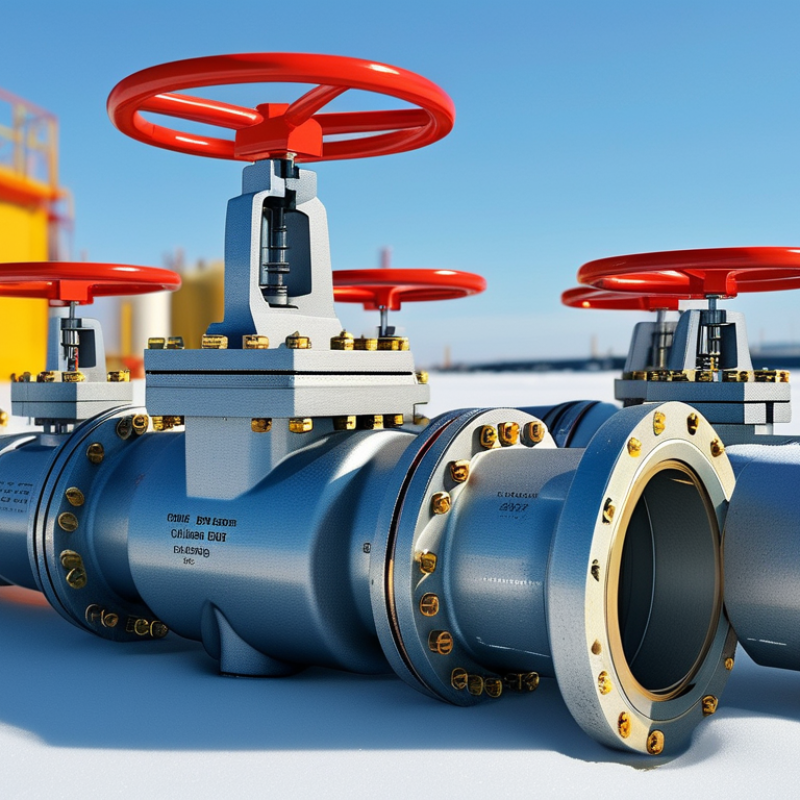
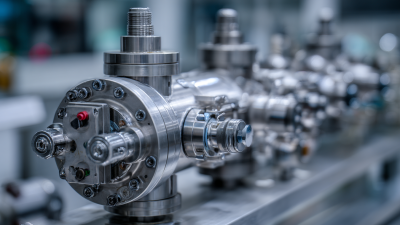
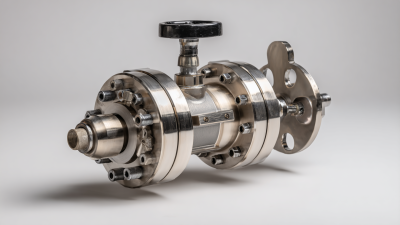
Cryogenic valves control fluids kept below approximately -150°C, including liquefied natural gas, liquid oxygen, nitrogen, and hydrogen. Their bodies usually use stainless steel or other low-temperature alloys. These materials resist brittleness when ordinary metals lose toughness. An extended bonnet keeps the stem seal warmer than the process fluid. That detail protects packing and reduces frost-related leakage.
Inside the valve, pressure moves through a globe, ball, gate, or check mechanism. The seat must seal despite thermal contraction. During operation, the stem may shrink, clearances may change, and trapped liquid can expand dangerously. Engineers therefore consider cooldown speed, cavity relief, insulation, and emergency shutoff behavior. A cold-rated label is not enough. Small details matter.
Global demand makes this equipment increasingly important. The Energy Institute Statistical Review of World Energy 2024 recorded approximately 585 billion cubic metres of global LNG trade in 2023. Each transfer point requires valves that manage rapid temperature changes and high operating pressures. The IEA’s Global Hydrogen Review 2024 also reported growing investment in low-emissions hydrogen projects, where liquid hydrogen systems may require even stricter leakage control. Buyers should compare test records, material certificates, cycle data, and applicable ISO 21011 requirements. One recurring mistake is judging only the purchase price. Long-term reliability depends on installation quality, maintenance access, and verified cryogenic testing. Perfect assumptions rarely survive the first cooldown.
| Cryogenic Medium | Normal Boiling Point at 1 atm | Typical Storage Temperature | Common Valve Materials | Common Valve Designs | Primary Application | Why Specialized Valves Are Essential |
|---|---|---|---|---|---|---|
| Liquid Nitrogen (LN₂) | −195.8 °C | Approximately −196 °C | Austenitic stainless steel; low-temperature-compatible seals | Extended-bonnet globe, ball, check, and pressure-relief valves | Food processing, laboratories, electronics, and medical storage | They limit heat transfer, control rapid vaporization, and maintain reliable shutoff at very low temperatures. |
| Liquid Oxygen (LOX) | −183.0 °C | Approximately −183 °C | Cleaned stainless steel and oxygen-compatible nonmetallic components | Globe, ball, check, and emergency shutoff valves | Healthcare, metal fabrication, chemical processing, and aerospace | Special cleaning and material selection reduce ignition risks in an oxygen-rich environment. |
| Liquid Argon (LAr) | −185.8 °C | Approximately −186 °C | Stainless steel; cryogenic-grade polymer seats and packing | Globe, ball, and pressure-control valves | Welding, metal production, inert-gas systems, and research | They provide dependable isolation and flow control while compensating for thermal contraction. |
| Liquefied Natural Gas (LNG) | Approximately −162 °C | Approximately −160 to −162 °C | Stainless steel, nickel alloys, and low-temperature carbon steel where suitable | Trunnion-mounted ball, top-entry ball, globe, and check valves | Gas receiving terminals, storage tanks, marine transport, and power generation | They control flammable fluid safely, reduce leakage, and preserve containment during loading and unloading. |
| Liquid Hydrogen (LH₂) | −252.9 °C | Approximately −253 °C | Austenitic stainless steel and hydrogen-compatible sealing materials | High-integrity ball, globe, check, and pressure-relief valves | Fuel-cell systems, aerospace, energy research, and hydrogen distribution | Extremely low temperature and small hydrogen molecules demand very low leakage and precise material control. |
| Liquid Helium (LHe) | −268.9 °C | Approximately −269 °C | Stainless steel and specialized low-temperature sealing materials | Fine-control globe, needle, check, and relief valves | Magnetic-resonance systems, scientific instruments, and superconducting equipment | They minimize heat leak and helium loss, which is important because helium has an exceptionally low boiling point. |
| Liquid Carbon Dioxide (LCO₂) | Approximately −78.5 °C at 1 atm; commonly stored under pressure as a liquid | Commonly about −20 to −30 °C, depending on pressure and system design | Stainless steel or suitable carbon steel with compatible seals | Ball, globe, check, and pressure-regulating valves | Food and beverage processing, fire suppression, and industrial extraction | They manage pressure changes and prevent uncontrolled flashing from liquid to gas. |
| Typical Cryogenic Valve Operating Range | Generally below −150 °C | Application-dependent; often from −196 °C to −253 °C for major industrial cryogens | Low-temperature metals, extended bonnets, and cryogenic packing systems | Globe, ball, gate, check, needle, and relief valves | Transfer lines, storage vessels, process plants, laboratories, and transport systems | A cryogenic valve uses a low-heat-leak body and often an extended bonnet to keep the stem seal warmer and reduce frost formation, leakage, and operational failure. |