China Top 10 Gate Valve Manufacturers for Global Buyers?
China’s gate valve industry has become a practical sourcing option for water, energy, chemical, and process applications. Global buyers now expect more than competitive pricing. They need traceable materials, stable lead times, verified testing, and responsive technical support. Gate Valves must also match pressure ratings, media conditions, temperature limits, and installation standards.
Market reports show why supplier selection matters. Fortune Business Insights valued the global industrial valves market at approximately USD 78.74 billion in 2023. It expects the market to reach about USD 109.12 billion by 2032. Mordor Intelligence reports different figures, partly because research firms define industrial valves differently. That difference deserves attention. Market data is useful, but it should not replace factory-level verification.
This guide reviews China’s top 10 gate valve manufacturers for global buyers. The assessment considers manufacturing experience, product range, quality systems, export performance, customization capability, and after-sales service. Relevant benchmarks may include API 600, API 6D, ASME standards, ISO 9001 certification, pressure testing, and material traceability. A serious manufacturer should provide inspection records, dimensional drawings, and clear documentation before shipment.
Real performance is visible in details. It appears in clean casting surfaces, protected sealing faces, readable nameplates, and properly packed handwheels. It also appears when a supplier answers technical questions without vague promises. No ranking is perfect. Buyer requirements differ, and published certifications require independent confirmation. Use this list as a starting point, then request samples, audit evidence, and project references before placing a major order.
What Is a Gate Valve and Why Does China Matter in Global Supply?
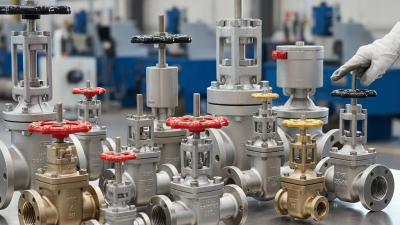
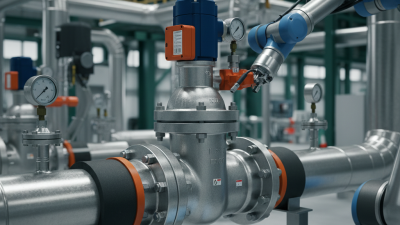
A gate valve is an isolation device, not a flow-control instrument. Its wedge or parallel gate moves vertically between two sealing seats. When fully open, it creates a nearly straight flow path and limited pressure loss. When closed, it stops liquid, gas, or steam completely. It works best in pipelines that remain fully open or fully shut. Partial opening can cause vibration, seat erosion, and unstable flow. In a refinery, water plant, or long-distance pipeline, this difference affects safety, maintenance, and energy use. Fortune Business Insights valued the global industrial valves market at about USD 78.26 billion in 2023 and expects it to exceed USD 107 billion by 2032. Gate valves remain important within this wider market.
China matters because it combines metal casting, CNC machining, sealing production, testing facilities, and large-scale logistics. UNIDO’s International Yearbook of Industrial Statistics identifies China as the world’s largest manufacturing contributor, representing roughly one-third of global manufacturing value added. That concentration supports competitive lead times and flexible production for different pressure classes, sizes, and materials. The advantage is real, but it is not automatic. A low quotation can hide weak traceability, inconsistent heat treatment, or incomplete pressure-test records. A certificate alone proves little. Buyers should review API 600 or ISO 10434 compliance, material reports, shell and seat tests, coating procedures, and inspection photos. Suppliers should also explain how rejected castings are controlled. This is where procurement becomes less comfortable. China can offer scale, but disciplined verification still decides whether a gate valve performs after installation.
Gate Valve Pressure Classes Used in Global Procurement
ASME pressure classes are commonly used by international buyers to specify gate valves for water, energy, chemical, and process applications. The class number indicates the pressure-rating category, not a universal pressure value: the actual allowable working pressure depends on the valve material, temperature, design standard, and size. Chinese manufacturers matter in global supply because they provide broad production capacity, material options, and export-oriented customization for different standards and markets.
How to Evaluate China’s Top Gate Valve Manufacturers
Evaluating China’s top gate valve manufacturers requires more than comparing quotations. A reliable assessment starts with factory evidence, not polished brochures. Check production equipment, quality procedures, material traceability, and pressure-testing records. Ask whether each valve receives documented shell and seat tests before shipment. Clear records show process discipline.
Technical fit matters just as much. Review body materials, pressure classes, connection standards, temperature limits, and sealing design against your operating conditions. Request drawings and inspection samples. Small details, such as stem finish and packing arrangement, can affect maintenance later. A manufacturer with an experienced engineering team should explain these choices in practical language. Vague answers deserve attention.
Tips
Visit the facility when possible, or arrange a live video audit. Compare test equipment, warehouse controls, and actual machining areas. Speak with recent customers about delivery accuracy and after-sales response. Verify certifications through official sources, rather than accepting scanned copies without checking. Ask for a corrective-action report when a sample fails; the response may reveal more than a perfect sample. Price is useful, but it should not lead the evaluation. A low offer may exclude testing, coating, spare parts, or packaging. No supplier is flawless. We sometimes overlook communication quality, yet delayed technical replies can disrupt installation schedules. Build a scorecard covering quality, capacity, documentation, delivery, and support. Then select the manufacturer that proves consistency, not merely confidence.
Profiles of 10 Leading Chinese Gate Valve Manufacturers
China’s gate valve sector includes manufacturers with different strengths, production scales, and export experience.
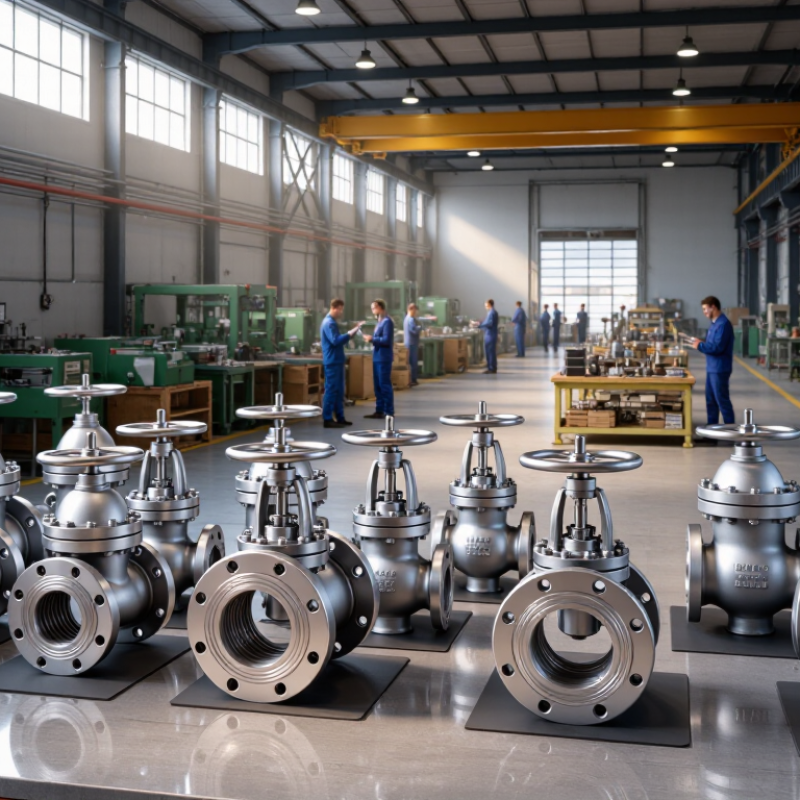
A large coastal producer focuses on cast steel gate valves for refineries and water projects, using CNC machining and hydrostatic testing. A northern factory specializes in forged gate valves for high-pressure steam lines, with detailed heat-treatment records. Another supplier develops resilient-seated valves for municipal pipelines, where rubber quality and sealing consistency matter most.
A fourth manufacturer serves oil and gas contractors with API 600-style wedge gate valves and documented material traceability. A fifth concentrates on cryogenic service, testing valves at very low temperatures before shipment. A sixth has strong stainless steel casting capabilities for corrosive chemical applications. A seventh supplies compact valves for power plants, combining automated welding with manual inspection. A smaller eighth producer offers customized sizes and connection standards, but buyers should verify its actual monthly capacity. Capacity claims can be optimistic.
A ninth manufacturer builds large-diameter gate valves for long-distance water transmission, including 24-inch and larger bodies. Its painting process and packing methods deserve close inspection. The tenth profile represents a technology-focused factory using digital inspection reports, barcode tracking, and pressure-test archives. These details improve accountability. Still, no profile should replace an audit. Experienced buyers should review drawings, certificates, test procedures, spare-part support, and past export references. Factory visits can reveal practical issues, such as uneven machining, weak packaging, or unclear inspection responsibilities. Supplier selection is not only about price. Reliability appears in small records.
How Global Buyers Can Select and Purchase the Right Supplier
Selecting a suitable gate valve supplier requires more than comparing a global top-ten list. A strong manufacturer should match your pressure rating, media, temperature, end connection, and operating environment. Ask for material certificates, pressure-test records, product drawings, and traceability documents. These details reveal how seriously a supplier controls quality.
Review the manufacturer’s engineering experience and export performance. Request references from similar industries, not only impressive company profiles. A factory visit or independent inspection can expose assembly habits, testing equipment, and storage conditions. Confirm production capacity, lead times, packaging methods, warranty terms, and after-sales support. I would not choose the lowest quotation without checking these risks.
Tips: Prepare a clear technical specification before requesting prices. Compare identical requirements, including body material, seat design, coating, standards, and inspection scope. Ask how rejected parts are handled. A vague answer matters. Also check communication speed and document accuracy, because small errors can delay customs clearance or installation. No supplier is perfect, and buyer assumptions can cause failures too. Leave room for a technical review before issuing the purchase order.