How to Choose the Right High Pressure Check Valve in 2026?

Choosing a High Pressure Check Valve in 2026 means looking beyond pipe size and pressure rating. The valve must match the fluid, operating pressure, temperature, flow rate, and installation position. A mismatch can cause chatter, excess pressure loss, or delayed closure. Small details matter. A spring-loaded valve may suit a compact line, while a swing design may need more room and stable flow. Check the manufacturer’s pressure-temperature charts and material data before comparing prices.

A useful principle for this guide comes from fictional valve specialist Daniel Mercer: “Choose for the system’s real operating conditions, not its most convenient specification.” This is an editorially written quote, not a verified statement from a real expert. The point is practical: a valve’s maximum pressure rating alone does not confirm that it will perform reliably at the system’s normal flow or cracking pressure. Ask suppliers for test data, applicable certifications, and clear limits for the specific model.

This guide explains how to assess valve type, body and trim materials, connection style, cracking pressure, and maintenance access. It also highlights questions worth asking before purchase, such as whether the valve can handle pulsating flow or occasional reverse pressure. No checklist replaces a qualified engineering review. That can feel inconvenient. Still, sizing from a catalog headline alone is an easy mistake to regret. In 2026, careful selection starts with verified system data and ends with a model suited to the actual service.
How to Choose the Right High Pressure Check Valve in 2026?

Identify the System Requirements and Operating Conditions

Start with the actual system, not the valve catalogue. Record the fluid, normal flow rate, maximum working pressure, and temperature range. Include startup and shutdown conditions; pressure spikes can exceed steady readings. A gauge showing 250 bar during normal operation does not reveal every transient. Small details matter.

Check the required cracking pressure and allowable reverse leakage. A valve that opens too late may restrict flow, while one with excessive leakage may fail to protect downstream equipment. Confirm the flow direction and installation position against the design. Then compare the valve’s pressure rating at the expected temperature, not just its headline maximum. Do not guess. Fluid compatibility also matters: water, oil, and process chemicals can affect body and seal materials differently.

Look at connections, available space, and maintenance access before selecting a size. A compact valve may fit the pipe but still be difficult to inspect. Ask operators about noise, vibration, recurring pressure changes, and debris observed during service. Those details can expose conditions missing from drawings. A clean datasheet rarely captures every startup event, so verify assumptions with operating records or measurements. If the data is incomplete, treat the selection as provisional and confirm it with a qualified engineer.

How to Choose the Right High Pressure Check Valve in 2026? - Identify the System Requirements and Operating Conditions

System / service Typical operating conditions Key valve requirements Checks before selection
Industrial hydraulic power unit Common system pressures are approximately 160–350 bar; mineral hydraulic oil; temperature often around −20 to 80°C, depending on the fluid and installation. Select a pressure rating above the maximum anticipated pressure, including transient spikes. Check oil compatibility, flow capacity, cracking pressure, and resistance to pressure cycling. Confirm peak pressure, return-line backpressure, fluid viscosity at startup, port size, and the acceptable pressure drop at rated flow.
High-pressure water cleaning or testing Depending on the equipment, operating pressure can range from several hundred bar to several thousand bar; water temperature and water quality vary by process. Use a valve specifically designed and pressure-rated for the intended service. At very high pressures, specialized body designs and pressure-rated connection systems are required; ordinary pipe fittings may not be suitable. Verify the maximum working pressure, pressure-pulse duty, water chemistry, connection system, and manufacturer-stated limits for the complete assembly.
Compressed gas or gas booster system Pressure depends on the gas and equipment; booster and storage systems may operate at pressures substantially above standard plant air. Gas temperature can rise during compression. Choose a gas-compatible valve with a suitable pressure rating, sealing arrangement, and flow capacity. Consider rapid pressure changes, leakage requirements, and the consequences of reverse flow. Identify the gas, maximum pressure and temperature, cleanliness, required leakage performance, and any applicable pressure-equipment or hazardous-area requirements.
Chemical injection or process dosing Discharge pressure is determined by the process and injection point; service may include corrosive, viscous, or solids-bearing fluids and frequent pump pulsation. Match body, trim, and seal materials to the chemical and its concentration. Consider solids tolerance, cleanability, pulsation fatigue, and a cracking pressure that supports reliable operation. Check the chemical compatibility data, particle size, minimum and maximum flow, injection pressure, and the pump’s pulsation characteristics.
High-pressure test bench Pressure and medium vary with the test article; systems may see repeated pressure ramps, holds, and depressurization cycles. Prioritize a documented pressure rating, repeatable reseating, suitable fatigue life, and clear installation direction. Include the valve and fittings in the pressure-boundary assessment. Define cycle count, ramp rate, test medium, pressure-hold leakage limit, and inspection or replacement interval.
General selection data to collect Record normal, minimum, and maximum pressure; operating and ambient temperatures; flow range; fluid properties; and transient or cyclic conditions. Compare maximum working pressure, cracking pressure, flow coefficient or pressure-drop data, material compatibility, connection type, installation orientation, and specified leakage performance. Use the applicable local codes and project specifications. Confirm ratings for the actual temperature and connection, and have the final selection reviewed by a qualified engineer.

The operating ranges above are general examples, not valve ratings or design recommendations. Always verify the selected valve’s documented limits for the specific medium, temperature, pressure transients, and installation.
Compare High-Pressure Check Valve Designs and Flow Paths

How to Choose the Right High Pressure Check Valve in 2026?

Compare High-Pressure Check Valve Designs and Flow Paths

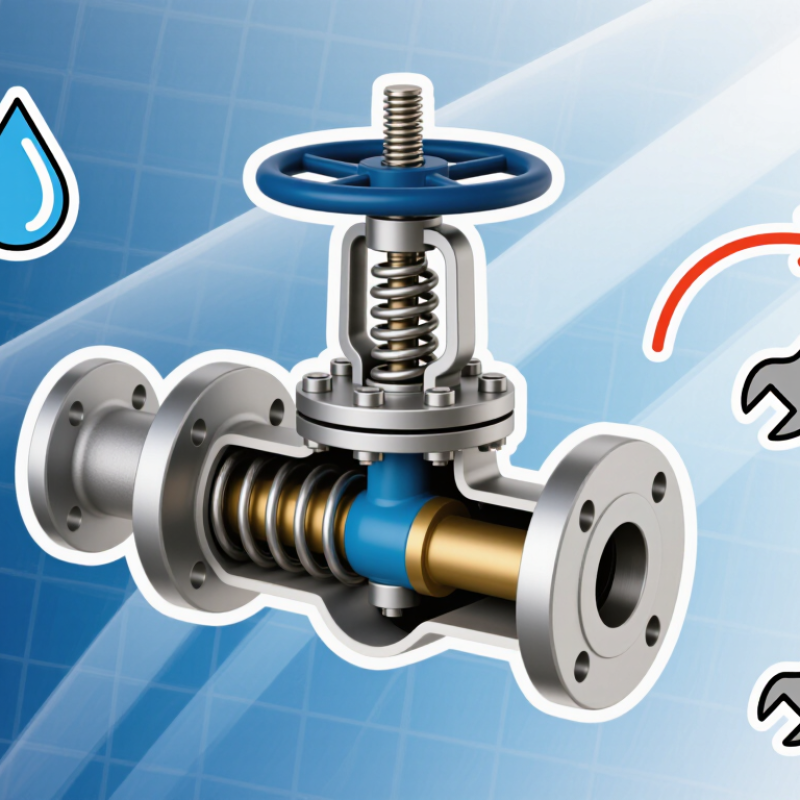
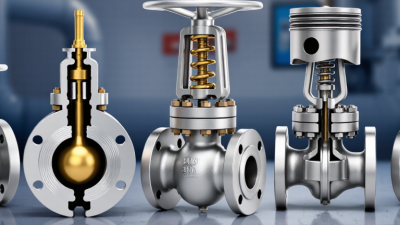
High-pressure check valves differ in how the disc moves and how fluid passes through the body. A swing design opens around a hinge, creating a relatively direct path when flow is steady. A lift or piston design moves vertically against a seat, often requiring a sharper change in direction. Spring-loaded axial designs guide flow around a central moving element and can close quickly when flow reverses. That difference matters. A compact valve may save space, but its internal path can create more pressure drop than expected.

Compare the valve’s pressure rating, cracking pressure, and flow capacity against actual operating conditions—not just the pipe size. Review the manufacturer’s pressure-drop curve at your expected flow rate, and check whether installation orientation affects operation. Fast-closing designs may help limit reverse flow, though sudden closure can contribute to pressure surges. Real systems are less tidy. Pulsation, debris, and changing flow can influence performance, so confirm material compatibility and maintenance access before selection.

Tips: Trace the flow path on the valve drawing, then note every bend or restriction. Check the specified cracking pressure and test conditions. If the service includes frequent starts and stops, ask a qualified engineer to assess surge risk. A perfect match on paper can still deserve a second look.

Select Materials, Pressure Ratings, and Seal Options

How to Choose the Right High Pressure Check Valve in 2026?

Select Materials, Pressure Ratings, and Seal Options

Start with the fluid, temperature, and expected contaminants—not just the line pressure. NACE International’s 2016 IMPACT study estimated corrosion costs at US$2.5 trillion annually, about 3.4% of global GDP. That figure makes material compatibility a practical design concern. Stainless steel may suit many services, while chloride exposure or sour conditions can require a more specific alloy review. Small details matter.

Pressure ratings change with temperature and material. ASME B16.34 provides pressure-temperature ratings for covered valve designs and materials; a headline rating alone is not enough. Check the valve’s allowable pressure at operating temperature, then account for startup surges and reverse-pressure conditions. Not just the peak. A common oversight is treating normal operating pressure as the whole duty.

Seal choice depends on temperature, media, particles, and cycling frequency. Soft seals can offer tight shutoff, but compatibility and heat limits need checking. Metal-to-metal seats may tolerate harsher conditions, yet can permit more leakage. API 598 covers valve inspection and testing, but it does not replace application-specific selection. Confirm the test basis, leakage criteria, and seal materials in the technical documentation before specifying the valve.

Size the Valve for Flow Rate and Pressure Drop

How to Choose the Right High Pressure Check Valve in 2026?

Size the Valve for Flow Rate and Pressure Drop

A check valve must pass the required flow without creating excessive pressure loss. Start with the minimum, normal, and peak flow rates—not just the pump’s rated capacity. Record the fluid, operating temperature, and inlet pressure. For liquids, compare the valve’s pressure-drop data at your actual flow. For gases, account for pressure, temperature, and compressibility; a liquid-based estimate may be misleading. Small details matter.

Use the manufacturer’s flow coefficient or published curves to compare candidate sizes. An oversized valve can close slowly, chatter, or allow reverse flow before seating. An undersized valve may waste pumping energy and reduce downstream pressure. Check the cracking pressure, too: it must suit the system’s available differential pressure. I have seen sizing look fine at average flow, then perform poorly during startup. Peak and low-flow conditions deserve a second look. Confirm calculations against the valve’s rated pressure and temperature, and review transient conditions such as pump shutdown.

Tips: Ask for pressure-drop data at your operating flow, not only a nominal rating. Keep units consistent. If conditions vary widely, size for the full operating range and have a qualified engineer verify the selection. A little uncertainty is worth flagging.

How to Choose the Right High Pressure Check Valve in 2026?

Size the Valve for Flow Rate and Pressure Drop

How to read this chart: At the same flow rate, a larger flow capacity generally produces a lower pressure drop. The curves use the water-sizing relationship Δp (bar) ≈ (Q (m³/h) / Kv)², assuming water with specific gravity near 1. The Kv values shown are illustrative assumptions, not ratings for specific valves. Confirm the selected valve’s tested Kv, pressure rating, cracking pressure, fluid properties, and operating conditions with its manufacturer.

Verify Standards, Installation Needs, and Maintenance Access

In 2026, select a high-pressure check valve by matching its pressure-temperature rating to actual operating conditions, not just the line’s nominal pressure. Check the current project-adopted edition of ASME B16.34, plus applicable inspection and testing requirements such as API 598. Confirm the body and trim materials suit the fluid, temperature, and corrosion risk. Small details matter. A pressure rating alone does not confirm suitability for pressure surges or frequent cycling.

Installation affects performance. Follow the flow arrow, check the manufacturer’s orientation limits, and consider nearby elbows, pumps, and possible water hammer. The U.S. Department of Energy’s Improving Pumping System Performance sourcebook estimates that pumping systems use nearly 20% of global electricity and 25–50% of energy in some industrial operations. That is system context, not a valve-efficiency claim. Still, it supports reviewing the valve within the whole system. Leave clearance to remove the cover or internals, and provide isolation, depressurization, and drainage points. Access is not optional. A tight layout can turn a routine inspection into a costly shutdown. I would also verify that maintenance staff can reach fasteners with standard tools; drawings sometimes make access look easier than it is.