How to Utilize Solar Applications for Sustainable Energy Solutions?
Solar Applications represent a transformative approach to energy sustainability. They harness sunlight to create clean and renewable energy. This technology caters to various needs, from heating water to powering entire homes. The potential for solar applications is immense, yet challenges exist. Many are unsure about how to implement these solutions effectively.
Understanding solar applications involves more than just installation. It requires knowledge of system types, energy needs, and local regulations. Misconceptions often arise regarding cost and efficiency. Some believe solar is too expensive upfront, while others think it can't meet high energy demands. This misunderstanding can hinder progress toward sustainable energy.
Exploring solar applications can lead to innovative solutions. They promote energy independence and reduce carbon footprints. However, not every application is suitable for every location. Evaluating specific needs and possible limitations is essential. As society moves toward greener energy, embracing solar applications will play a crucial role in shaping a sustainable future.
Understanding the Basics of Solar Energy and Its Applications
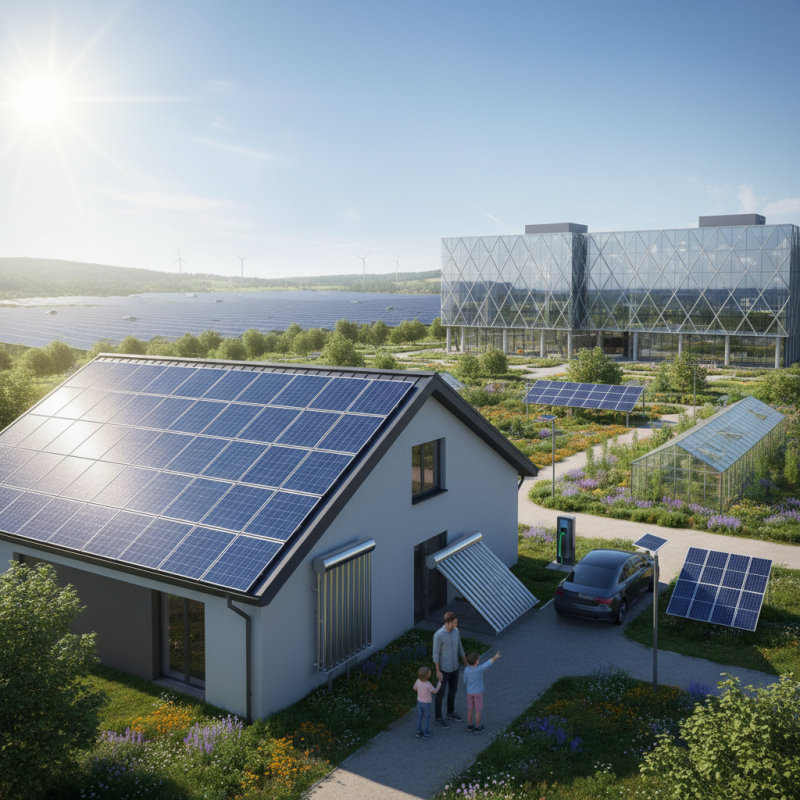
Solar energy is a powerful resource. It harnesses sunlight to produce electricity and heat. Understanding its applications is crucial for promoting sustainability. Solar panels convert sunlight directly into electricity. They can be installed on rooftops or in large solar farms. This flexibility allows individuals and businesses to generate their own power.
Another application is solar water heating. This system captures sunlight to heat water for homes and pools. It reduces reliance on traditional heating methods. However, installation costs can be significant. People should consider local climate and sunlight availability. Not all areas benefit equally from solar technology.
Community solar projects are also gaining traction. These initiatives allow multiple households to share a solar array. It provides access to renewable energy for those who cannot install panels. Reflecting on these options reveals challenges. Solar technology may not be feasible for everyone. Regional policies and subsidies vary significantly. Understanding the local context is essential for effective implementation.
Types of Solar Technologies for Sustainable Energy Solutions
Solar energy is a versatile and powerful resource. Various types of solar technologies can be employed to create sustainable energy solutions. Photovoltaic (PV) panels are the most common technology. They convert sunlight directly into electricity. These panels can be installed on rooftops or in large solar farms. The efficiency of PV systems has improved, yet challenges remain, particularly related to energy storage and lifecycle emissions.
Another significant technology is solar thermal systems. They utilize sunlight to generate heat. This heat can be used for water heating or space heating in buildings. Solar thermal can reduce reliance on fossil fuels. Systems vary in design, and it’s crucial to choose one that fits specific needs. Costs and return on investment are also vital considerations that depend on local conditions.
Concentrated solar power (CSP) is another innovative option. It uses mirrors or lenses to focus sunlight onto a small area, producing high temperatures to drive a turbine. However, CSP is location-dependent and requires significant investment in infrastructure. Each technology has its strengths and weaknesses, making it essential to evaluate needs carefully. The quest for better efficiency and cost-effectiveness continues in the solar energy sector.
Implementing Solar Panels: Installation and Maintenance Considerations
When considering solar panels, installation is a critical step. Proper placement ensures maximum sunlight exposure. Roof orientation and shading from trees or buildings play a vital role. It’s essential to assess your site's specific conditions before starting. A professional assessment can save future headaches.
Maintenance is equally important. Regular cleaning keeps panels efficient. Dust, leaves, and bird droppings can decrease performance. Inspecting connections and wiring is necessary as well. Neglecting these simple tasks may lead to costly repairs later on.
Many homeowners overlook local regulations. Compliance with zoning laws and permits is crucial. Missteps can result in fines or project delays. Additionally, understanding the warranty details can clarify maintenance responsibilities. Reflecting on these factors can lead to a smoother solar experience.
Integrating Solar Energy into Existing Energy Systems
Integrating solar energy into existing energy systems is vital for a sustainable future. Many systems still rely on fossil fuels, leading to high greenhouse gas emissions. By pairing solar technology with traditional energy sources, we can reduce these emissions significantly. Solar panels can be installed on rooftops, turning buildings into energy producers, not just consumers. This shift requires careful planning and investment.
Communities face challenges when incorporating solar solutions. Infrastructure must be adapted to manage variable energy output. For instance, solar energy production peaks during the day but decreases at night. Energy storage systems, such as batteries, are essential for balancing this discrepancy. Creating a hybrid system where solar energy complements other sources can provide stability. More collaboration is needed among local governments, utility companies, and citizens to address these needs.
The transition to solar integration is not flawless. Some may resist due to cost concerns or lack of knowledge. Educational programs can empower individuals to understand and accept solar technology. Policymakers must also create incentives to drive adoption. As we reflect on these obstacles, it becomes clear that a holistic approach is necessary. Integrating solar energy requires commitment, innovation, and cooperation within communities.
Evaluating the Economic Benefits of Solar Energy Utilization
The economic benefits of solar energy utilization are substantial and significant. According to the U.S. Department of Energy, the solar industry has created over 250,000 jobs in the past decade. This rapid growth reflects a shift towards renewable energy sources. With the costs of solar installations dropping nearly 82% since 2010, solar energy becomes an increasingly attractive option for consumers and businesses.
Solar energy systems often lead to lower electricity bills. A study by the National Renewable Energy Laboratory shows households with solar panels can save between $10,000 and $30,000 over 20 years. Furthermore, solar applications provide energy independence, reducing reliance on imported fossil fuels. While these benefits are clear, there is a need for upfront investment, which can be a barrier for some. Financial incentives and tax credits are essential to overcome these initial costs and broaden access to solar investments.
However, the solar energy sector faces challenges. Issues such as intermittent energy production and land-use conflicts need to be addressed. As adoption increases, integrating solar power into existing energy grids is vital. The transition to solar energy is promising, yet it requires ongoing evaluation and adaptation to maximize economic gains. Continuous research and development are critical for improving efficiency and reliability.
