Ultrafiltration System Highlights at China Import Export Fair 139?
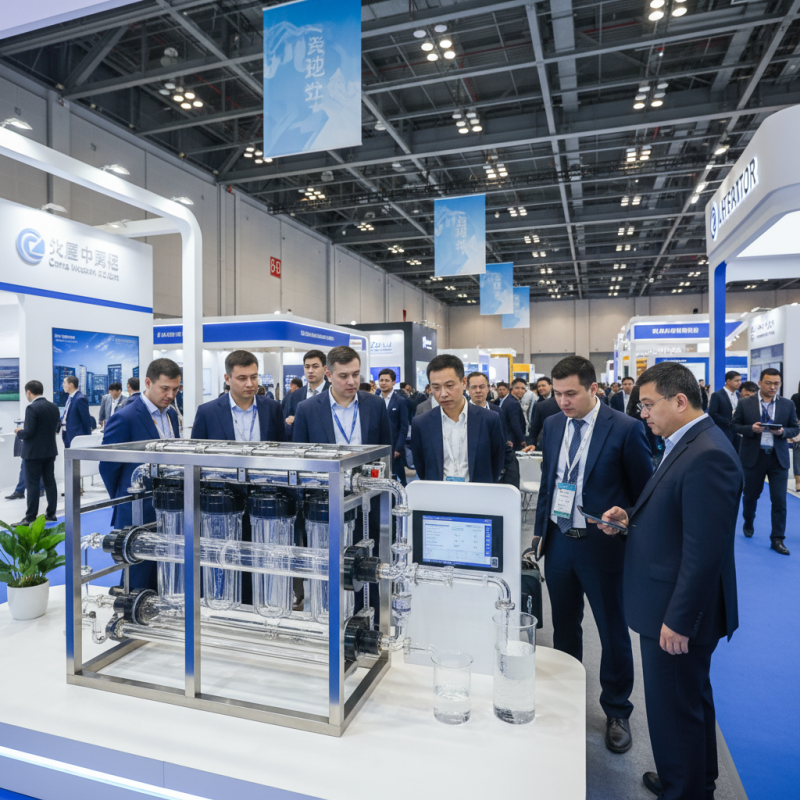
The 139th China Import and Export Fair showcased various innovations, including the Ultrafiltration System. This cutting-edge technology attracted significant attention from manufacturers and buyers alike. Companies demonstrated how these systems efficiently filter contaminants, ensuring clean water access.
The fair, held from April 15 to May 5, 2026, emphasized advanced manufacturing and electronic appliances. Visitors experienced AI-driven navigation, which allowed for smoother exploration of the vast 1.55 million square meters of exhibition space. While the Ultrafiltration System holds promise, questions about its scalability remain.
Attendees engaged deeply with suppliers who possessed relevant certifications like ISO and CE. However, some faced hurdles in understanding the full potential of these systems. Overall, the fair highlighted both advancements and challenges in the water purification industry, emphasizing the need for continual reflection and improvement.
Overview of Ultrafiltration Technology in Water Treatment
Ultrafiltration technology plays a crucial role in modern water treatment. This advanced method effectively removes particles, bacteria, and some viruses from water. It operates through a membrane process. The membranes have tiny pores, allowing water to pass while blocking larger contaminants. This technology is gaining importance worldwide.
At the recent China Import Export Fair 139, various ultrafiltration systems were showcased. Many attendees noted the growing demand for clean water solutions. The exhibit highlighted innovative designs with improved efficiency. Some systems demonstrated energy-saving features, which are essential in today’s environmental context.
**Tips:** When considering ultrafiltration systems, take note of membrane materials. Different materials may have varying lifespans and efficiencies. Regular maintenance is crucial to ensure optimal performance. Additionally, understanding your water quality helps in selecting the right system. This prevents common issues, such as frequent membrane clogging.
Key Features of Ultrafiltration Systems for Industrial Applications
Ultrafiltration systems provide vital solutions for industrial applications. These systems effectively separate particles based on size. They can remove bacteria, viruses, and colloids from liquids. This process is crucial in water treatment and food processing industries.
One compelling feature is energy efficiency. Ultrafiltration uses less energy compared to traditional filtration methods. This helps reduce operational costs. However, the membranes can clog, leading to increased maintenance needs. Regular monitoring is essential to maintain optimal performance.
Another highlight is the versatility of these systems. Ultrafiltration can adapt to various liquid types. This flexibility makes it a popular choice in different sectors. Yet, some industries may overlook the importance of full-scale testing. Ensuring the system meets specific needs is vital. Adapting ultrafiltration to unique requirements might require time and resources.
Impact of Ultrafiltration on Water Quality and Safety Standards
Ultrafiltration systems play a critical role in enhancing water quality. These systems often filter out bacteria, viruses, and other contaminants. According to industry reports, ultrafiltration can remove particulate matter as small as 0.01 microns. This capability significantly improves water safety standards.
Water safety is increasingly crucial in urban areas. Polluted sources and inadequate treatment can lead to health risks. A recent study indicated that nearly 40% of water sources in certain regions do not meet safety standards. Ultrafiltration can address this challenge effectively. It not only purifies water but also reduces chemical usage in treatment processes.
However, challenges remain. Ultrafiltration systems can become fouled over time, impacting performance. Maintenance and regular cleaning are essential for effectiveness. Moreover, the initial installation cost can be a barrier for some communities. Balancing cost and water quality is an ongoing struggle. As technologies evolve, finding the most efficient solutions remains a priority.
Ultrafiltration Systems at the China Import Export Fair 139
The China Import Export Fair 139 showcased a variety of ultrafiltration systems, drawing significant attention. These systems offer advanced solutions for liquid filtration. Many visitors expressed interest in their efficiency and versatility.
One standout feature was the compact design of these systems, making them suitable for various settings. Some attendees noted how user-friendly controls enhanced their appeal. However, some concerns arose regarding maintenance. A few systems seemed complicated to operate. Addressing these issues could improve user experience significantly.
The fair also highlighted the environmental benefits of ultrafiltration. Advanced systems can reduce the consumption of energy and water resources. This development is crucial for sustainable practices. Observers showed excitement about potential innovations. Visitors were eager to learn how these technologies could reshape water treatment.
Future Trends in Ultrafiltration Technology and Market Insights
The ultrafiltration market is evolving rapidly. Recent advancements in technology are making systems more efficient. Companies are focused on improving membrane performance. This leads to higher water recovery rates. Moreover, these systems often require less energy. As a result, operational costs decrease over time.
One potential trend is the shift toward sustainability. Many industries seek greener solutions. Ultrafiltration can help reduce waste and recycle water. However, challenges remain. The disposal of used membranes can create environmental concerns. Therefore, finding eco-friendly materials is crucial for the future.
Market insights suggest increasing demand from various sectors. Water treatment, food processing, and pharmaceuticals are key areas. Each sector has unique filtration needs. Yet, education on ultrafiltration technology remains limited. Many potential users don't fully understand its benefits. Addressing this knowledge gap is essential for market growth.
