Top 10 Hex Head Cap Screws for Global Buyers?
In today's manufacturing landscape, the demand for reliable fastening solutions is ever-increasing. Hex Head Cap Screws play a critical role in various industries, including automotive, aerospace, and construction. According to a recent report by Research and Markets, the global fasteners market is projected to reach $110 billion by 2025, with a significant share attributed to Hex Head Cap Screws. These fasteners are known for their strength and versatility, making them a preferred choice among engineers and buyers.
However, not all Hex Head Cap Screws are created equal. The varying materials, coatings, and designs can affect performance. Therefore, selecting the right product is crucial for ensuring stability and safety in applications. A study by Smithers Pira suggests that, despite advancements in manufacturing processes, many companies still face challenges in quality consistency. This inconsistency can lead to failures, highlighting the importance of careful supplier selection.
As a global buyer, understanding the market dynamics is essential. Factors such as pricing, material certifications, and supplier reliability should influence purchasing decisions. By exploring the top Hex Head Cap Screws available, buyers can make informed choices that empower their operations while navigating potential pitfalls in the industry.
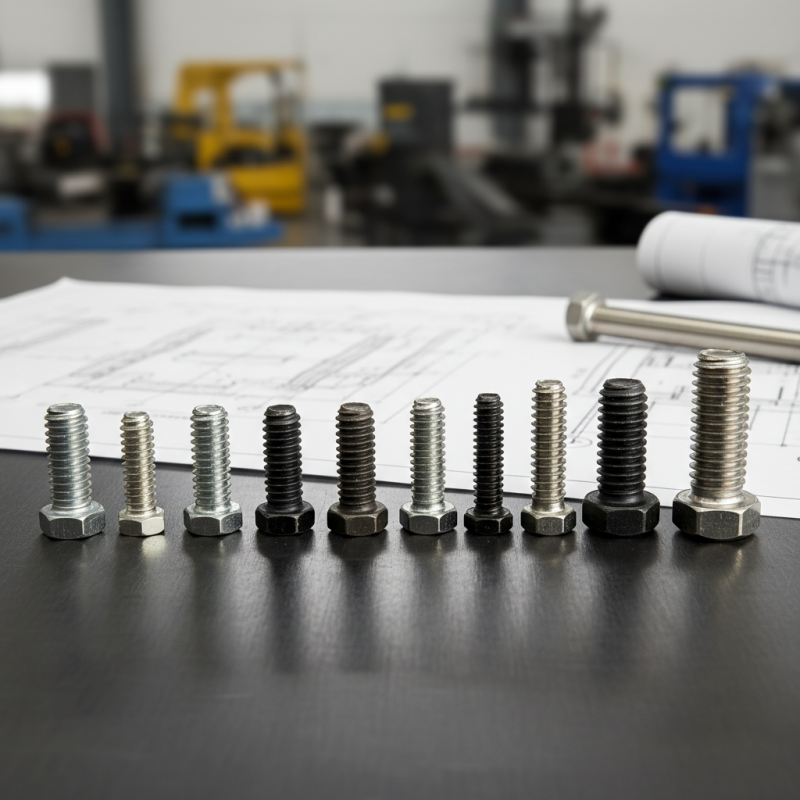
Overview of Hex Head Cap Screws and Their Applications
Hex head cap screws are essential fasteners used across various industries. They feature a hexagonal head for easy wrench access, making them ideal for high-torque applications. Their robust design allows for secure fastening in machinery, automotive, and construction sectors. The threads create a tight grip, ensuring durability and stability in assemblies.
When selecting the right hex head cap screw, consider factors such as material, size, and strength. Common materials include carbon steel, stainless steel, and alloy steel. Each offers unique benefits, like corrosion resistance or tensile strength, suitable for different environments.
**Tip:** Always refer to the specifications to choose the right screw. Mismatched screws can lead to failures.
Proper installation is crucial for performance. Ensure that screws are tightened to the manufacturer’s specifications. Over-tightening can cause damage. Conversely, under-tightening may lead to loosening over time.
**Tip:** Regularly inspect screws in critical applications. This can help prevent unexpected failures and downtime.
Selecting the best hex head cap screws requires knowledge and experience. An informed choice enhances the integrity of your projects.
Top 10 Hex Head Cap Screws - Global Demand Overview
Key Materials Used in Manufacturing Hex Head Cap Screws
Hex head cap screws are widely utilized in various industries, from construction to automotive. The choice of materials in their manufacture significantly impacts their performance. Carbon steel is a common choice due to its strength and durability. According to a recent market report, carbon steel screws represent about 55% of the total hex cap screw demand globally.
Another material gaining traction is stainless steel. It offers excellent resistance to corrosion, making it ideal for outdoor applications. Reports show that the demand for stainless steel hex head cap screws has increased by 20% over the past five years. This shift suggests a growing awareness of material properties among buyers.
Aluminium is also used, though less frequently. It is lightweight and offers good corrosion resistance. However, its mechanical strength is lower than that of steel. This can pose challenges in high-stress applications. Buyers must carefully assess their needs to determine the most suitable material. Material choice affects not just performance, but also cost and longevity. Thus, selecting the right material is crucial for successful applications.
Top 10 Hex Head Cap Screws Based on Performance and Durability
When selecting hex head cap screws, performance and durability are key factors. Many buyers overlook the essential characteristics that truly define quality. For instance, materials like stainless steel or alloy steel provide excellent strength. These choices resist rust and corrosion, extending the screw's lifespan in demanding environments. It's crucial not to underestimate the impact of coating on durability. Various coatings enhance resistance, allowing these screws to perform under tough conditions.
Another consideration is the screw's tensile strength. This property determines how much force a screw can withstand before failing. Choosing screws with high tensile strength can prevent unexpected breakdowns. Likewise, pay attention to the thread design. A well-engineered thread ensures a better grip, minimizing the risk of loosening over time. Testing under real-world conditions often reveals that even slight variations in design can significantly influence functionality.
Understanding the nuances in manufacturing processes can also be critical. Poor quality control can lead to defects, potentially compromising safety and reliability. Engaging with reputable suppliers who emphasize quality assurance is a step many buyers overlook. It's essential to balance cost with overall value. A lower price may seem attractive but may compromise long-term performance and durability.
Comparative Analysis of Leading Brands in the Market
The market for hex head cap screws is expanding. A recent industry report indicates a 5% annual growth rate in demand. The automotive and construction sectors are significant contributors to this trend. As various manufacturers compete, quality remains a crucial factor for global buyers.
When comparing leading brands, materials used play a vital role. High-strength steel is preferred for durability. Corrosion resistance is another essential feature. Recent studies show that screws with coatings can increase their lifespan by up to 30%. Buyers often prioritize these specifications over price.
However, sourcing the right screws is challenging. The variety of standards can confuse consumers. Not all suppliers meet the same quality benchmarks. A thorough understanding of ANSI, ISO, and other standards is essential for informed purchasing decisions. Despite the options available, navigating through them requires significant expertise and experience.
Global Sourcing Tips for Purchasing Hex Head Cap Screws
When sourcing hex head cap screws, consider specific factors to ensure quality. Start with material selection. Different applications require various materials. Stainless steel is common due to its corrosion resistance. However, you might find that carbon steel offers better strength for certain tasks. Understand the environment where the screws will be used.
Pay attention to dimensions. Hex head cap screws come in various sizes and grades. It’s essential to verify the specifications needed for your project. Sometimes a supplier may have variations that are suitable but not immediately obvious. It’s advisable to ask for sample products before making a bulk purchase.
Moreover, consider the reliability of your supplier. Research their reputation in the industry. Reading reviews can provide insights into their service and product quality. Reach out to previous clients if possible. Although online resources are helpful, direct feedback is invaluable. Be ready for potential discrepancies in delivery times. Mistakes happen, and a proactive approach can help you avoid project delays.
Top 10 Hex Head Cap Screws for Global Buyers
| Screw Size | Material | Coating | Strength Grade | Quantity per Box | Approx. Price per Box (USD) |
| M8 x 20 | Carbon Steel | Zinc Plated | 8.8 | 100 | $25.00 |
| M10 x 25 | Stainless Steel | None | A2-70 | 50 | $40.00 |
| M12 x 30 | Alloy Steel | Black Oxide | 10.9 | 30 | $60.00 |
| M6 x 16 | Stainless Steel | Passivated | A4-80 | 200 | $35.00 |
| M8 x 50 | Carbon Steel | Galvanized | 5.6 | 100 | $20.00 |
| M10 x 40 | Alloy Steel | None | 9.8 | 50 | $55.00 |
| M12 x 40 | Stainless Steel | Zinc Plated | A2-80 | 25 | $70.00 |
| M6 x 12 | Carbon Steel | Phosphate | 8.8 | 150 | $18.00 |
| M8 x 100 | Alloy Steel | Bright | 10.9 | 20 | $80.00 |
| M10 x 60 | Stainless Steel | None | A4-70 | 50 | $50.00 |
