
What Are the Top 10 Axial Piston Pump Manufacturers?

Choosing an Axial Piston Pump is rarely just a matter of comparing pressure ratings. These pumps serve demanding hydraulic systems, from mobile machinery to industrial equipment, where flow control, operating speed, and installation space all matter. A small mismatch can affect efficiency, heat, noise, or service life. Details count.

This guide explores ten widely recognized manufacturers and the factors that make their products worth comparing. It considers published product ranges, technical documentation, application coverage, and service support. Those criteria offer a practical starting point, not a universal ranking. Availability and support can vary by region, and a strong catalog does not guarantee the right fit for every machine. That part is easy to overlook.

Readers should compare displacement, pressure limits, control options, shaft and mounting configurations, and fluid requirements against the system’s actual duty cycle. Check the manufacturer’s current specifications before making a selection; product details can change. A pump intended for continuous industrial service may not suit a compact mobile application, even when headline ratings seem similar. Field conditions can be messy.

The manufacturers featured here represent different strengths, product portfolios, and support networks. Some comparisons will remain imperfect because public information is not equally detailed across brands. Still, a careful shortlist can help engineers, buyers, and maintenance teams ask better questions—and avoid choosing on name recognition alone.
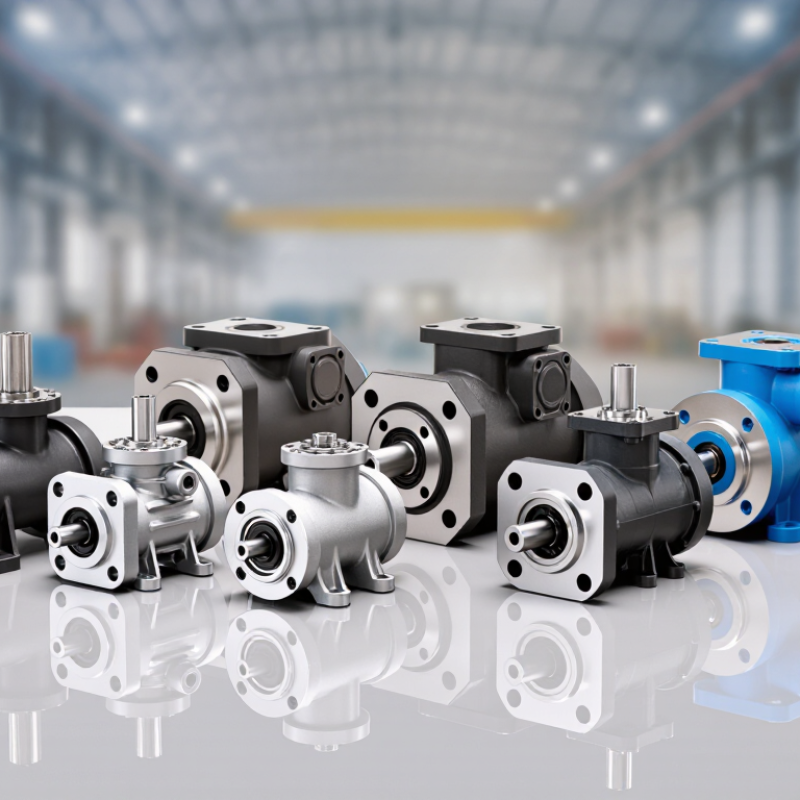
What Are the Top 10 Axial Piston Pump Manufacturers?

Axial Piston Pump Basics: Swashplate and Bent-Axis Designs

Axial piston pumps move fluid through pistons arranged parallel to the drive shaft. Their output depends on piston size, rotation speed, and stroke length. Two common layouts create that stroke differently: swashplate and bent-axis designs.

In a swashplate pump, the rotating cylinder block carries pistons whose slippers ride over an angled plate. As the plate angle changes, pistons travel farther or less far, adjusting displacement. Many models allow the angle to be controlled while running. That helps match flow to demand. A technician may notice the change as a shift in actuator speed, not just a reading on a gauge. The design can fit compact equipment, though slipper contact and clean oil matter. Small details count.

A bent-axis pump places the cylinder block at an angle to the drive shaft. Pistons connect to a drive flange, and the angle sets their stroke. This layout can offer strong efficiency and a robust rotating group, but its size and installation geometry may limit where it fits. Fixed-angle versions provide steady displacement; variable versions add adjustment mechanisms. Neither design is automatically better. Operating pressure, speed range, control needs, and maintenance access should guide selection. In practice, catalog figures alone can mislead: real performance also depends on fluid condition, temperature, and system setup. One overlooked factor can change the choice.

Key Ratings: Common 250–350 bar Classes and Models Reaching 420 bar

Axial-piston pump comparisons often start with pressure ratings, but the number needs context. Many industrial and mobile models fall within 250–350 bar classes. This is a useful screening range, not a guarantee of continuous operation. Context matters. Some models reach 420 bar under specified conditions, often for short-term or peak loads. Check whether the rating is continuous, intermittent, or maximum, and verify its allowed duration, shaft speed, oil viscosity, and case-drain limits. On a test bench, pressure may meet the target while oil temperature climbs quickly. That matters in real installations.

When evaluating manufacturers, compare performance curves at your intended speed and temperature, not just headline figures. Check displacement, control type, efficiency, noise, service requirements, and pressure-compensator settings. A 350 bar pump may be a poor fit if nearby valves or hoses have lower limits. Set system protection within the ratings of every component. Small margins matter. Models reaching 420 bar may need carefully matched fittings and cooling capacity. I would not treat the highest rating as the winner; that is an easy mistake. Ask for documented test conditions and endurance data, then consider whether they match your duty cycle.

Top 10 Manufacturers: Product Ranges, Controls, and Engineering Strengths

The strongest axial piston pump manufacturers offer more than a broad catalog. Their ranges may include fixed- and variable-displacement pumps for open or closed circuits, with options for different shaft types and mounting patterns. Check the operating envelope carefully: pressure, speed, fluid viscosity, and temperature all affect performance. A pump rated well on paper may still be a poor fit for a compact machine with limited cooling.

Controls reveal important engineering differences. Common options include pressure compensators, load-sensing controls, and electronic displacement adjustment. Look for clear response curves, stated control tolerances, and practical guidance on contamination limits. Some suppliers provide application engineering, test data, and support for matching pumps to motors or valves. That support matters when a system must run smoothly through repeated load changes. Catalog detail is useful, but it does not replace a real duty-cycle review.

Tips: Ask for a selection based on your actual pressure and speed range. Compare noise, efficiency, service access, and spare-part availability—not just maximum flow. Request installation and startup guidance, too. A small omission, such as an unsuitable control setting, can cause frustrating performance issues. Even a careful comparison has limits; field conditions rarely match the test bench exactly.

Industry Uses: Mobile, Industrial, and Marine Systems

Axial piston pump manufacturers serve very different demands across mobile, industrial, and marine systems. In mobile equipment, compact size and responsive flow control matter. A wheel loader may need strong hydraulic power at low engine speed, then quick response when lifting a bucket. Heat matters. Pump selection should account for duty cycle, pressure, and available cooling, not just maximum flow.

Industrial systems often run for long shifts, so steady output and predictable service intervals are important. On a production line, pressure fluctuations can affect clamping, forming, or material handling. Clean hydraulic fluid and suitable inlet conditions help protect rotating parts. Even a well-built pump can struggle when filtration or maintenance is neglected.

Marine applications add space, vibration, and corrosion concerns. A pump supporting steering or deck machinery must fit the vessel’s layout and remain accessible for inspection. Comparing manufacturers means reviewing performance curves, control options, material compatibility, and documented testing. Paper specifications do not reveal every installation problem. That is worth remembering. A pump that performs well in a test setup may need different cooling or mounting aboard a working vessel.

How to Compare Pumps by Displacement, Efficiency, and Duty Cycle

Comparing axial piston pump manufacturers requires more than checking catalog pressure ratings.

Begin with displacement, stated in cubic centimeters per revolution, then estimate flow at the intended shaft speed. Actual delivery will be lower because leakage and operating conditions affect volumetric efficiency. Check published curves at your expected pressure and oil temperature, not only at ideal test conditions. A pump rated for high pressure may still be a poor match for a circuit that needs steady flow at low speed.

Efficiency has several parts. Volumetric efficiency affects delivered flow, while mechanical losses increase input power and heat. Compare test conditions carefully; figures measured at different speeds or viscosities are not directly comparable. Duty cycle matters just as much. Continuous operation can expose cooling limits that brief, intermittent tests never reveal. A housing that feels warm after a short run is not enough evidence. Measure fluid temperature over a representative work cycle.

Small details matter.

Tips: Record required flow, pressure, speed, fluid viscosity, and daily operating hours before requesting quotations. Ask for performance data across the working range, plus service intervals and noise guidance. Leave some capacity margin, but avoid oversizing: excess flow can waste power. Catalog comparisons can mislead, so verify the selection against real machine conditions.