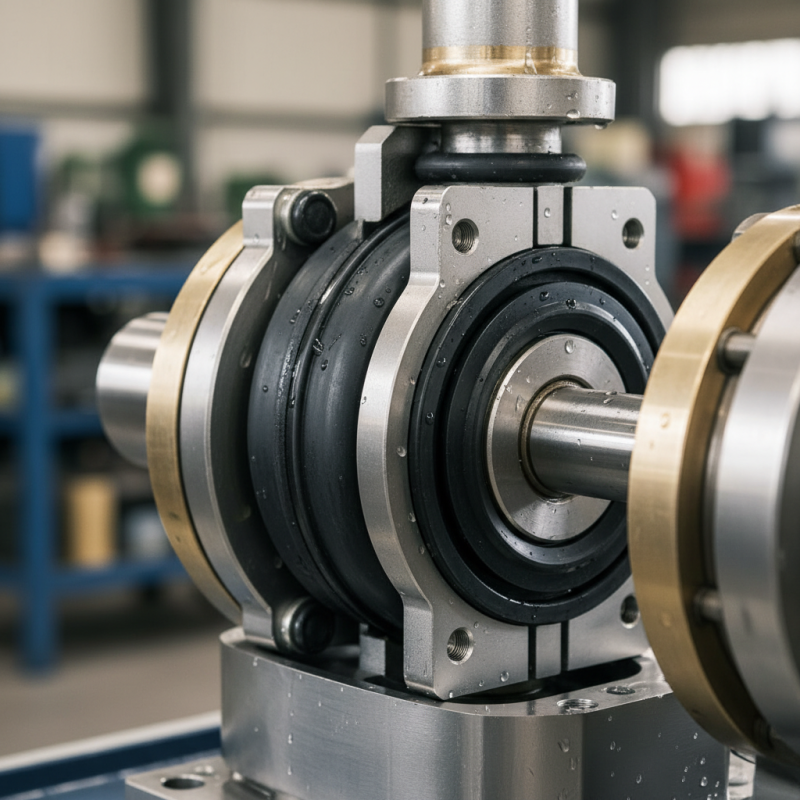
What are Rubber Parts in Pumps and Why are They Important?
Rubber Parts in Pumps play a critical role in various industrial applications. According to John Smith, a leading expert in fluid dynamics, "Without reliable rubber components, pump efficiency drastically decreases." His words highlight the significance of these components.
These parts include seals, gaskets, and diaphragms, which ensure optimal performance. They mitigate leaks and minimize wear. However, not all rubber materials are equal. Choosing the right material is crucial. Miscalculations can lead to failures, which could be costly.
The demand for high-quality rubber parts in pumps is ever-growing. Industries like manufacturing and water treatment rely heavily on these components. Yet, the variability in quality can raise concerns. As we explore the importance of rubber parts in pumps, we must address these challenges.
Understanding Rubber Parts in Pumps
Rubber parts in pumps play a critical role in their efficiency and longevity. These components, including seals, grommets, and diaphragms, are essential for preventing leaks and maintaining pressure. According to industry reports, nearly 70% of pump failures can be traced back to issues with rubber parts. This highlights their importance in various applications, from industrial systems to residential use.
Rubber is inherently flexible and resistant to wear, making it ideal for dynamic environments. It can handle high temperatures and pressures, which further emphasizes its significance in pump performance. Research shows that pumps utilizing high-quality rubber components can operate 20% more efficiently, thereby reducing energy consumption. However, not all rubber is created equal. Variations in quality can lead to rapid degradation or failure, underscoring the need for careful selection and maintenance.
Even with advancements in materials science, challenges remain. For instance, harsh chemicals can deteriorate rubber prematurely. Engineers must consider environmental factors when designing pump systems. Regular inspections and proactive replacements are necessary to avoid unexpected downtimes. Understanding these dynamics can lead to more reliable and efficient pumping solutions across various industries.
Types of Rubber Materials Used in Pump Components
Rubber materials are crucial in the construction of pump components. They provide essential seals, gaskets, and flexible parts that prevent leaks and ensure efficient operation. Commonly used rubber materials include nitrile rubber (NBR), ethylene propylene diene monomer (EPDM), and silicone rubber. Each type has unique properties that make it suitable for specific applications.
NBR is known for its excellent resistance to oil and fuel, making it ideal for pumps handling petroleum products. According to the Rubber Manufacturers Association, NBR usage in industrial pumps increased by 15% in recent years. EPDM is favored for its resilience to heat and weather conditions, which is important for outdoor installations. Silicone rubber, while not as commonly used, is appreciated for its adaptability to extreme temperatures.
**Tip:** When selecting rubber materials for pumps, consider chemical compatibility and temperature ranges. Regular inspection of rubber parts can prevent unexpected failures.
The choice of rubber material impacts pump efficiency and durability. Misjudgment can lead to premature wear and costly repairs. An analysis from a leading engineering journal indicated that improper material selection could decrease a pump's lifespan by up to 40%. Understanding the environment and application is essential for making the best choice.
The Role of Rubber Parts in Pump Performance and Efficiency
Rubber parts play a crucial role in the performance and efficiency of pumps. These components, which often include seals, gaskets, and O-rings, significantly impact the overall operation. According to a report by the Hydraulic Institute, rubber parts account for up to 30% of pump failures due to wear and tear. This highlights the need for robust rubber material and effective design.
The efficiency of a pump can be severely affected by the quality of its rubber components. For instance, improper sealing can lead to leaks, reducing fluid movement and increasing energy consumption. Research indicates that pumps with high-quality rubber seals can improve energy efficiency by up to 15%. The choice of rubber material also matters; for example, different compounds may withstand various chemicals and temperatures, essential for specific applications.
Yet, the selection of rubber components requires careful consideration. Not all rubber parts perform equally well in every environment. Some might degrade faster under specific conditions, affecting pump longevity. An analysis from the American Society of Mechanical Engineers (ASME) states that regular maintenance and inspection of rubber parts can improve pump lifespan by an average of 20%. Pumps that incorporate reliable rubber components not only enhance operational efficiency but also ensure a longer service life.
Impact of Rubber Parts on Pump Efficiency
Maintenance and Replacement of Rubber Parts in Pumps
Rubber parts in pumps play a crucial role in ensuring the efficient operation of pumping systems. These components can wear out over time, affecting performance. Regular maintenance is vital to avoid costly downtimes. Inspecting rubber seals, gaskets, and hoses can prevent leaks and malfunctions. It’s important to check for signs of aging, such as cracking or hardening.
Replacement of rubber parts should not be neglected. Many users overlook this aspect, often leading to bigger issues. A small leak can escalate into a major pump failure. When replacing these parts, ensure you follow the manufacturer’s guidelines. Use appropriate sizes and specifications. Sometimes, users might rush the process, leading to improper fitting. This can cause further complications down the line.
Neglecting rubber parts can result in unexpected breakdowns. Keeping an eye on wear and tear is essential. Regularly scheduled maintenance checks can save money and time. Do not underestimate the importance of small components. Attention to detail is key in maintaining pump efficiency.
Impact of Rubber Parts on Pump Longevity and Reliability
Rubber parts play a crucial role in the functionality of pumps. These components include O-rings, gaskets, and seals. They are essential for creating tight seals and preventing leaks. According to industry reports, more than 25% of pump failures are due to seal failures, often linked to degraded rubber parts. This emphasizes their significance in maintaining pump reliability.
The longevity of rubber parts directly impacts pump reliability. High-quality rubber can withstand extreme temperatures and pressures, improving the lifespan of pumps. A study found that pumps using superior rubber materials last up to 30% longer than those with standard options. However, environmental factors can alter rubber performance, leading to premature wear. It is essential to monitor and replace worn rubber components regularly.
Despite their importance, the quality of rubber parts varies widely. Standardization in the rubber industry is lacking, creating inconsistencies. Not all rubber is suited for every application. Awareness of the specific requirements is vital for choosing the right materials. Understanding these variables can help stakeholders make informed decisions, ultimately enhancing the reliability of their pump systems.
What are Rubber Parts in Pumps and Why are They Important?
| Dimension | Description | Impact on Pump Longevity | Impact on Reliability |
| Seals | Prevent leaks and maintain pressure | Extends life by preventing fluid loss | Ensures consistent performance |
| Hoses | Transport fluids between components | Reduces wear due to flexibility | Enhances flow continuity |
| Gaskets | Seal joints between parts | Prevents corrosion and buildup | Maintains structural integrity |
| Diaphragms | Control flow of fluids | Increases efficiency and output | Improves responsiveness |
| O-rings | Provide seals in rotating applications | Minimizes leaks and reduces wear | Ensures operational stability |