How to Optimize DIE Casting Mould Design for Better Results?
DIE Casting Mould Design plays a critical role in the manufacturing process. Optimizing this design ensures higher quality and efficiency. Many manufacturers face challenges when designing their molds. Common issues include inadequate cooling, poor material flow, and dimensional inaccuracies. Each of these problems can lead to production delays and increased costs.
Experience shows that a well-thought-out design reduces defects significantly. For instance, strategically placed cooling channels enhance temperature control, leading to better material properties. However, it’s essential to reflect on past failures. Sometimes, designs are overly complex, causing complications during production. Striking the right balance between simplicity and functionality is crucial.
Collaboration with experienced engineers is vital in this process. Their insights can help identify potential pitfalls early on. Moreover, regardless of expertise, continuous learning is essential. New technologies and methods emerge regularly, impacting how we approach DIE Casting Mould Design. Embracing change and adapting to innovations can yield superior results.
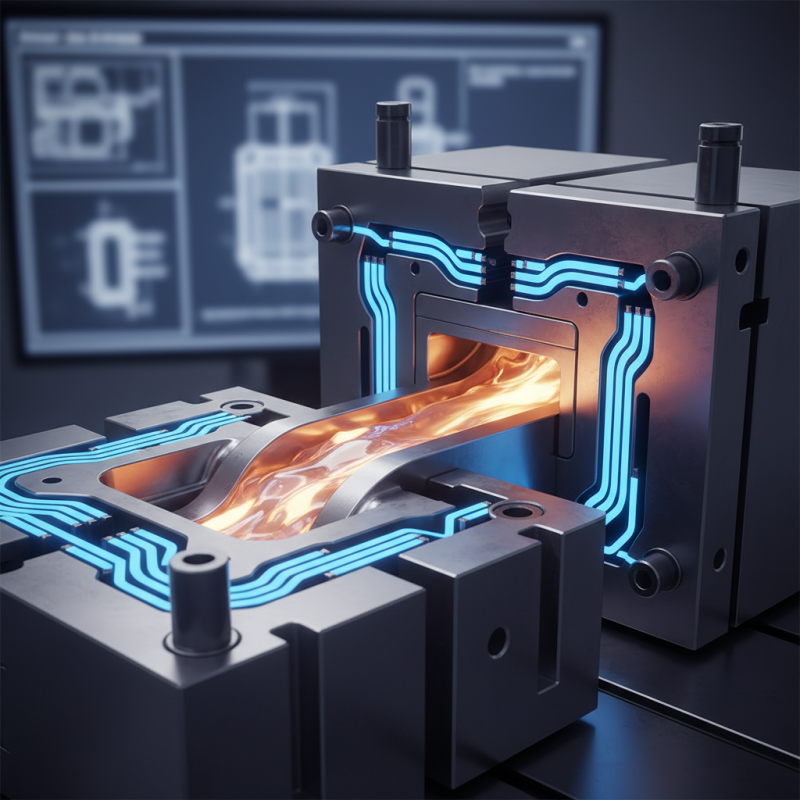
Understanding the Fundamentals of DIE Casting Mould Design
Die casting is a complex process reliant on optimal mould design. Understanding the fundamentals of die casting mould design can significantly enhance efficiency and product quality. According to a report from Industry Research, over 40% of defects in die-cast parts relate directly to mould issues. This highlights the importance of precision and attention to detail in mould construction.
Designing effective die casting moulds requires a deep comprehension of various factors. Material selection is crucial, as it affects thermal conductivity and durability. The correct balance of cooling channels can lead to improved cycle times. Ultimately, a better-cooling system can reduce the production of porosity in the cast parts.
Tip: Regularly analyze the performance of your moulds. Collect data on cycle times and defect rates. This helps in understanding areas for improvement.
Consider the role of venting as well. Inadequate venting can lead to trapped air, causing defects in the final product. Ensure that your moulds have adequate venting to minimize these risks. Using simulation software can also assist in visualizing air flow and stress points, enabling more informed decisions.
Tip: Invest in simulation tools. They provide insights that can lead to innovative design improvements.
Reflection is vital. Regularly assess your designs for potential improvements. Engage team members for feedback. This can foster a culture of continuous improvement in die casting processes.
How to Optimize DIE Casting Mould Design for Better Results?
| Dimension | Description | Optimization Strategy | Impact on Production |
| Material Selection | Choose alloys with optimal flow properties. | Test various alloys. | Improves mold filling and reduces defects. |
| Cooling System Design | Design efficient cooling channels. | Use simulation software for layout. | Shortens cycle times and enhances dimensional accuracy. |
| Draft Angles | Include proper draft angles in the design. | Follow recommended guidelines for angles. | Facilitates easier part removal, reducing wear. |
| Gate Design | Choose between hot and cold gates. | Analyze flow patterns. | Minimizes waste and optimizes material use. |
| Surface Finish | Select surface treatments for better results. | Consider treatments for wear resistance. | Enhances aesthetics and durability of cast parts. |
Key Factors Influencing DIE Casting Mould Performance
The performance of die casting moulds hinges on several critical factors. Material selection plays a vital role. High-quality steel, for example, enhances durability and reduces wear, but may elevate costs. Balancing performance and budget is essential. Mould complexity is another aspect to consider. Complex designs can improve product intricacies but may increase cycle times. Simplifying designs could lead to efficiency but might compromise some features.
Cooling systems within the mould also significantly impact performance. An effective cooling strategy minimizes cycle times and enhances product quality. However, designing an optimal cooling layout can be tricky. It requires precise calculations and testing. Over-engineering the cooling system could lead to unnecessary expenses without added benefits.
Finally, attention to detail during assembly and maintenance is crucial. Even small defects can result in significant issues down the line. Regular maintenance routines are often overlooked but are necessary to ensure longevity. Inconsistent practices can lead to mould failure, ultimately affecting production schedules. Reflecting on these factors can drive improvements in future designs. Emphasizing careful planning and evaluation helps in achieving better results.
Techniques for Enhancing Thermal Management in Moulds
Effective thermal management is crucial in die casting mould design. Poor heat control can lead to defects and decreased production efficiency. A well-designed mould should promote uniform heat distribution. This minimizes the risk of warping or cracking during the cooling phase.
Incorporating advanced cooling channels into mould designs can greatly enhance heat dissipation. These channels should be strategically placed to target hot spots. The use of materials with high thermal conductivity can also improve heat management. Experimentation with different configurations may yield better outcomes.
However, designing for thermal efficiency is not without challenges. Creating complex cooling layouts can increase manufacturing time and costs. Balancing the initial investment with long-term benefits requires careful consideration. Continuous evaluation and tweaking of designs are essential for optimized results. Effective thermal management is a journey, not just a destination.
Optimization Techniques for DIE Casting Mould Design
Designing for Effective Material Flow and Fill Balance
Effective material flow and fill balance are vital in die casting mould design. Achieving optimal results hinges on precise planning to minimize defects and maximize efficiency. Research indicates that proper venting can enhance fill speed by 20%. This ensures molten metal flows seamlessly, filling cavities without air pockets.
Incorporating simulation software can aid in predicting flow patterns. This allows designers to foresee potential issues early on, such as cold shuts or misruns. The U.S. Department of Energy states that a well-designed gating system can improve filling time by up to 30%. However, designers often overlook the placement of gates and vents. Their positioning impacts the quality of the finished product.
Material selection also plays a crucial role. Lightweight alloys can reduce cycle time but increase the risk of defects if not managed properly. An ideal design balances flow rate and metal temperature. Continuous monitoring post-production is essential for identifying areas of improvement. Without it, the potential for expensive remakes rises significantly.
Best Practices for Mould Maintenance and Lifespan Extension
Mould maintenance is crucial for the longevity and efficiency of die casting processes. Proper care can extend the lifespan of moulds significantly. According to industry reports, neglecting maintenance can lead to a 25% increase in production costs due to defects and downtime. Regular inspections are essential. They help identify wear and tear early, saving time and resources in the long run.
Tips: Regularly check for wear on the injection surfaces. Small cracks can lead to larger issues.
It's essential to clean moulds thoroughly after each use. Residual metal and lubricants can create build-up that diminishes the performance of the mould. The right cleaning agents and techniques can prevent corrosion and extend the lifespan by up to 30%. Industry experts recommend using ultrasonic cleaning for deep-cleaning substrates effectively.
Tips: Use a soft brush to avoid scratches while cleaning. A little care goes a long way.
Replacing worn components promptly is also vital. Delayed replacement can not only affect the mould's function but also hinder overall production quality. Data shows that timely component upgrades can improve output efficiency by 15%. Make it a habit to schedule regular reviews of the mould’s condition. This habit promotes proactive maintenance.
