
A Mask Folding Machine is industrial equipment designed to shape mask material into consistent folded layers. It commonly handles nonwoven fabric, filter media, and elastic components. Depending on the model, the machine may unwind rolls, guide fabric, create pleats, insert a nose bridge, and prepare mask bodies for sealing. Some systems also connect with ultrasonic welding units or automatic packaging lines.
The working process begins with controlled material feeding. Rollers keep the fabric aligned while folding plates or forming wheels create evenly spaced pleats. Sensors monitor position, tension, and speed. If the fabric shifts slightly, the pleats may become uneven. Small adjustments matter. After folding, cutting or welding stations form the required mask shape. Operators then inspect dimensions, edge strength, and visual quality. Experienced technicians also check noise, vibration, temperature, and material waste during production.
However, the phrase “fully automatic” can sound more reliable than it really is. Machine performance depends on material thickness, humidity, maintenance, and setup accuracy. A high-speed line may still produce inconsistent results when sensors become dusty or rollers wear. This is why technical specifications should be compared with real production tests. Buyers should review output capacity, compatible materials, adjustment methods, safety protections, and after-sales support. A practical evaluation is more useful than a polished brochure. Understanding these details explains what a Mask Folding Machine does and why proper operation remains essential.
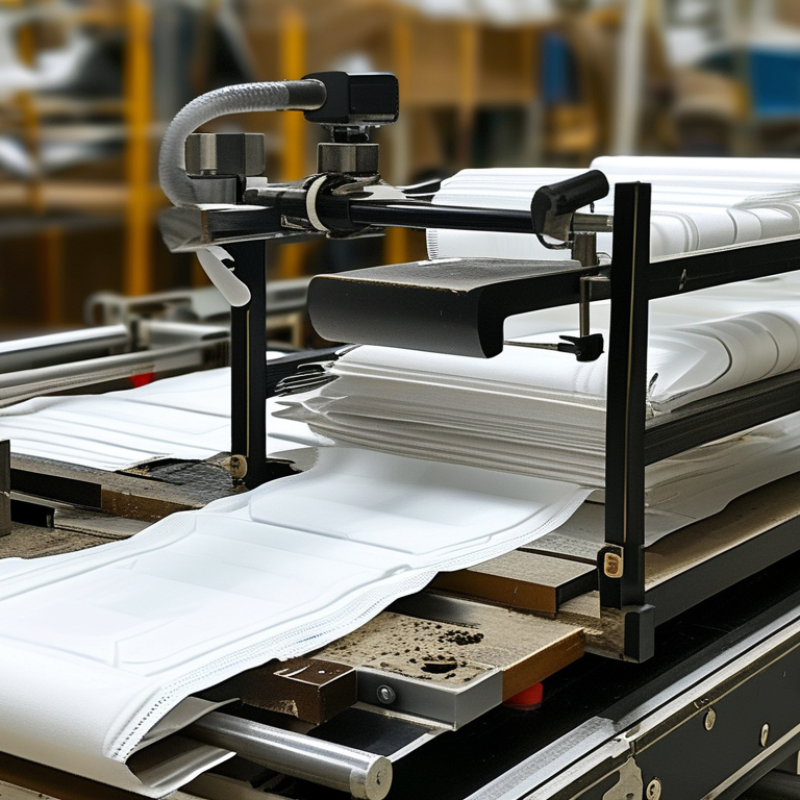
A mask folding machine is an industrial device that shapes flat mask material into a precise folded form. It usually handles nonwoven fabric, filter layers, and elastic components during mask production. The machine feeds material through rollers, guides, and heated or mechanical folding stations. These parts create the central pleats or layered structure seen on many disposable masks. Sensors help maintain alignment and control speed. The process is fast, but not completely automatic in practice.
A well-designed machine should provide stable tension, clean folding, and adjustable settings for different material thicknesses. Operators must check the fold depth, edge position, and sealing quality during production. Even small alignment errors can produce uneven pleats or weak edges. Dust buildup may also affect sensors and rollers. No machine performs perfectly under every condition. Material variation, humidity, and maintenance habits can change the result. Practical experience remains important, especially when operators adjust pressure or folding speed.
Tips:
Inspect rollers and guides before each shift. Keep the material path clean and free from loose fibers. Test a small batch after changing settings. Measure fold spacing with a simple ruler or gauge. Record useful settings, but question old records when materials change. Wear suitable protective equipment and follow the machine’s operating instructions. Oversight matters.
A mask folding machine converts flat filter material into a structured, wearable shape. Its material unwinder holds the fabric roll and releases it at a controlled speed. Guide rollers keep each layer aligned during feeding. Tension sensors reduce wrinkles and uneven edges. Even a small alignment error can affect the finished mask.
The folding unit is the machine’s central section. Folding plates or forming rollers create the pleats and shape the mask body. Their spacing determines pleat depth and overall appearance. A nose-wire feeder places flexible wire near the upper edge. The wire-cutting mechanism must measure each piece accurately. Too much wire wastes material, while too little may reduce comfort.
Ultrasonic welding units join the mask layers without adding liquid adhesive. They use controlled vibration, pressure, and time to form secure seams. A cutting die then separates individual mask bodies from the continuous web. Sensors check material position, speed, and machine faults. A programmable controller coordinates these actions and adjusts timing when production conditions change. The conveyor carries finished pieces toward inspection or later assembly.
In practical operation, clean rollers matter more than many operators expect. Dust can disturb feeding accuracy. Settings also need testing after material changes, because identical-looking fabrics may behave differently. A reliable technician checks seal strength, pleat symmetry, and wire placement instead of trusting the display alone. Some machines still require manual correction. That is not necessarily a design failure; it may reveal limits in the material or setup.
A mask folding machine continuously guides a multilayer nonwoven web through alignment, folding, forming, sealing, cutting, and conveying stations. The chart shows representative basis weights commonly used in a three-layer disposable mask structure processed by this type of equipment.
The outer and inner spunbond layers provide structure and comfort, while the melt-blown middle layer provides the primary filtration function. Rollers and guides maintain web alignment, folding plates create the mask profile, ultrasonic or heat-sealing units bond the layers, and the cutter separates finished masks.
A mask folding machine converts a flat mask material into a precise, wearable shape. The process starts as the material unwinds from a roll under controlled tension. Guide rollers keep the web centered and reduce sideways movement. Small sensors monitor its position continuously. If the material drifts, the machine adjusts the guiding system.
A forming plate, folding blade, or folding wheel then creates the required pleats. Each fold must have consistent spacing and depth. The material moves through the folding area at a steady speed. Pressure and alignment determine whether the pleats remain sharp. Some machines use heat or ultrasonic systems later, depending on the mask design. These systems may help secure layers, but they do not correct poor folding.
After folding, the shaped material usually moves toward cutting, edge sealing, or ear-loop attachment. Operators inspect pleat alignment, mask width, surface cleanliness, and seal strength. They also compare measurements with approved production specifications. A machine can repeat a setting, but it cannot excuse a poor one. Material thickness, humidity, and roller tension may change the result. That detail matters.
Experienced technicians often adjust the machine gradually instead of changing several settings together. This makes the cause of a defect easier to identify. Even reliable equipment needs regular cleaning, calibration, and observation. Automation improves consistency, but careful human review still protects the final quality.
| Process Dimension | How It Works | Typical Data or Setting | Main Result | Quality Check |
|---|---|---|---|---|
| 1. Material unwinding | Rolls of nonwoven fabric and filter media are released through controlled rollers and guided into the forming section. | Common material width: approximately 160–220 mm per web, depending on mask design. | Stable, aligned layers ready for forming. | Check web alignment, wrinkles, tension, and material damage. |
| 2. Layer alignment | Guide rollers and tension controls keep the outer layers, filter layer, and inner layer positioned correctly. | Usually 3–5 functional material layers for many disposable or filtering face-mask constructions. | Uniform multilayer mask web. | Verify layer sequence, lateral position, and continuous material feed. |
| 3. Nose-wire insertion | A feeder places a flexible metal or plastic nose strip between, or along, designated mask layers before sealing. | Typical strip length: about 80–120 mm, depending on mask size and design. | A mask body with an adjustable nose area. | Check position, continuity, and secure enclosure of the strip. |
| 4. Pleat or panel forming | Folding plates, rollers, or forming guides create pleats in flat masks or the main panels in cup-shaped and three-dimensional folding masks. | Flat disposable masks commonly use 2–3 horizontal pleats; panel masks use pre-defined fold lines. | Consistent mask geometry and expanded coverage area. | Measure fold position, depth, symmetry, and surface appearance. |
| 5. Ultrasonic edge sealing | Ultrasonic vibration generates localized heat and bonds thermoplastic nonwoven layers without liquid adhesive. | Common operating frequency: approximately 20–35 kHz; actual pressure and energy depend on material construction. | Sealed side edges and stable material layers. | Check seal width, continuity, strength, and absence of burn-through. |
| 6. Ear-loop or headband attachment | Elastic loops or headbands are positioned and bonded to the finished mask body using ultrasonic welding or another compatible joining method. | Elastic length is commonly about 150–180 mm for adult ear loops, but varies by product design. | Wearable mask with attached restraint system. | Test attachment strength, position, symmetry, and elastic continuity. |
| 7. Cutting and separation | Rotary knives, die cutters, or servo-driven cutters separate individual masks from the continuous web. | Typical output range: approximately 40–120 masks per minute, depending on configuration and mask type. | Individual finished mask units. | Check dimensions, cut edges, burrs, deformation, and missing components. |
| 8. Folding and stacking | A folding guide closes the mask along its designed centerline or panels, after which a conveyor or stacker organizes the products. | Fold accuracy is normally controlled by mechanical guides, sensors, and adjustable conveyor speed. | Compact, aligned masks ready for inspection or packing. | Check fold location, flatness, orientation, and stack count. |
| 9. Automatic inspection | Photoelectric sensors or vision systems detect missing ear loops, incorrect positioning, material breaks, and abnormal dimensions. | Inspection coverage depends on the installed sensors and software configuration. | Rejected defective units and a more consistent product flow. | Confirm sensor response, reject timing, and traceable inspection results. |
| 10. Packing preparation | Accepted masks are counted and transferred to manual or automated packaging equipment. | Pack quantity is set by the packaging specification; common retail quantities include 10, 20, or 50 units. | Counted products ready for packaging and labeling. | Verify quantity, packaging integrity, lot identification, and product orientation. |
| Operating note: Actual speed, dimensions, utility requirements, fold pattern, and sealing parameters vary with mask type, material thickness, product size, and machine configuration. Typical pneumatic systems may require clean compressed air in the approximate range of 0.5–0.7 MPa. | ||||
A mask folding machine forms flat, folded, or contoured masks from layered materials. Servo-driven rollers guide the web, while heated plates or ultrasonic tools create precise folds. Sensors monitor tension and alignment. Small errors still matter.
Flat medical masks commonly use spunbond polypropylene, meltblown polypropylene, and SMS composites. These layers balance softness, filtration, and breathability. A 2024 market analysis by Grand View Research estimated the global face mask market at over 5 billion US dollars in 2023, reflecting continuing demand for consistent production.
Folding respirators, including cup-shaped and duckbill designs, require stiffer nonwoven layers. Their materials may include electrostatically treated meltblown media, spunbond outer covers, nose strips, and elastic bands. Machines must control crease depth without damaging the filter layer. For surgical masks, ASTM F2100 testing commonly evaluates bacterial filtration, submicron particulate filtration, fluid resistance, and breathability. Higher performance levels can require stronger laminated structures.
Material compatibility is never universal. A machine tuned for lightweight polypropylene may wrinkle polyester blends or tear thin laminates. Operators should test basis weight, softness, recovery, and heat sensitivity before production. I have seen specifications look perfect on paper, yet the folds opened during packing.
That weakness deserves attention.
A mask folding machine converts flat mask material into a shaped, wearable product. It feeds nonwoven layers through guides, forms pleats with calibrated rollers, and uses ultrasonic or thermal stations for edge sealing. A cutter then separates each mask, while sensors monitor alignment and material flow. Small adjustments matter. A 1-millimeter offset can create uneven pleats or weak seals.
Its applications include disposable medical masks, industrial dust masks, and selected hygiene products. Demand increased sharply during the pandemic. The World Health Organization estimated that global responders needed 89 million medical masks each month in 2020. Grand View Research also reported a face-mask market value of about 78.9 billion US dollars in 2020. These figures explain why manufacturers invested in faster, repeatable folding systems. Benefits include lower manual handling, steadier output, and improved dimensional consistency. However, speed alone does not prove quality. Filter media, sealing strength, and fit still require testing.
Maintenance should follow a documented schedule. Operators need to clean rollers, remove fiber dust, inspect ultrasonic tooling, and check sensor calibration every shift or production day. Lubrication must match the equipment manufacturer’s specifications. Worn belts and loose fasteners can quietly reduce accuracy. Records should include stoppages, rejected units, and corrective actions. A practical weakness remains: poorly trained staff may change settings too quickly. Automation reduces variation, but it does not remove human judgment.