Top Global Valve Manufacturers for Worldwide Buyers
Choosing among the top global valve manufacturers requires more than comparing catalog prices. Buyers need dependable flow control, documented testing, and support that remains available after delivery. This guide examines established manufacturers serving oil and gas, water treatment, power generation, chemical processing, and industrial facilities worldwide. The focus is practical: product quality, engineering capability, production scale, certifications, lead times, and service responsiveness.
A reliable supplier should provide clear material specifications, pressure ratings, test reports, and traceability records. Stainless steel, carbon steel, alloy, and lined valves may suit different media and operating temperatures. Small details matter. A wrong actuator size can delay commissioning. A missing certificate can complicate acceptance inspections. Global Valve sourcing also requires attention to regional standards, connection types, spare parts, and technical documentation. Buyers should verify claims independently through factory audits, sample inspections, and references from comparable installations.
No manufacturer is ideal for every project. That matters. A large company may offer broad capacity but slower customization. A specialized producer may respond quickly yet have fewer international service locations. This article does not treat brand recognition as proof of performance. It considers evidence, including operating history, quality systems, testing discipline, and customer support. Some information can change with time, especially pricing and delivery schedules. Careful buyers should confirm current details directly with manufacturers before making a purchase decision. That extra step may feel inconvenient, but it often prevents expensive valve failures, replacement delays, and unclear responsibility.
Global Valve Manufacturing: Scope, Types, and Industry Applications
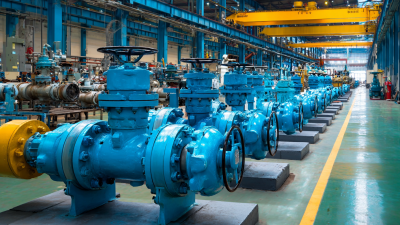
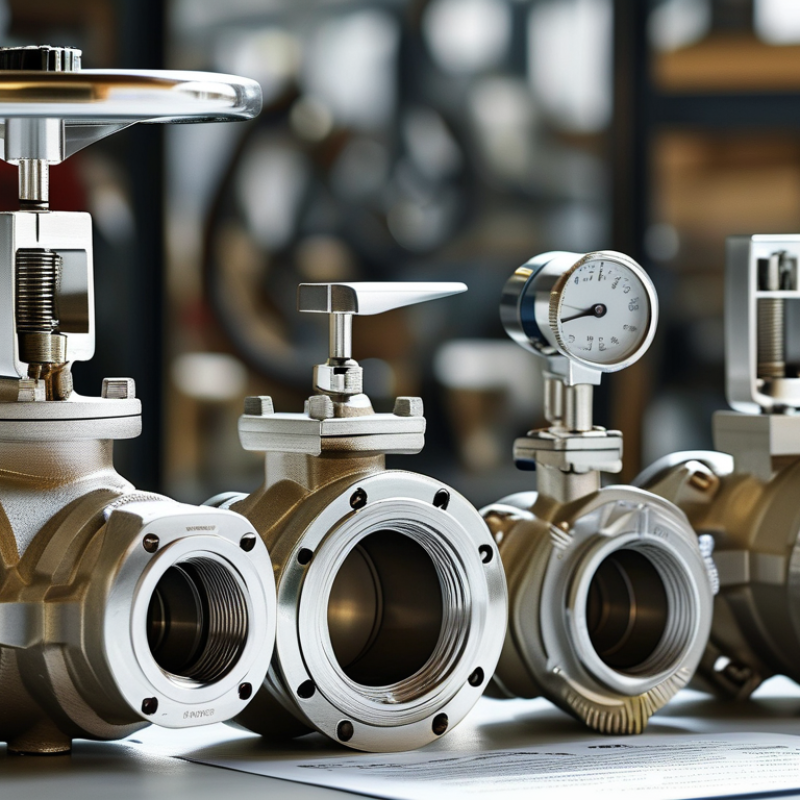
Global valve manufacturing covers design, casting, machining, assembly, testing, and after-sales support. Manufacturers serve water treatment, oil and gas, chemical processing, power generation, food production, and building services. Each sector demands different pressure ratings, materials, sealing methods, and control responses. Reliable production includes dimensional checks, pressure testing, material traceability, and documented inspection records. Small manufacturing errors can cause leakage, vibration, or difficult maintenance.
Valve types include gate, globe, ball, butterfly, check, diaphragm, and control valves. Gate valves suit isolation duties, while globe valves provide better flow regulation. Ball and butterfly valves offer quick operation in many pipelines.
Check valves prevent reverse flow without continuous operator control. Control valves adjust pressure, temperature, or flow through automated signals. The right selection depends on fluid chemistry, operating temperature, line size, pressure, and maintenance access. A common mistake is choosing by purchase price alone.
Tips:
Ask for test certificates, drawings, and material details before purchasing. Confirm international standards and local installation requirements. Review spare-part availability and actuator compatibility. Field inspections often reveal that installation space was underestimated. That detail matters. Engineers should also challenge assumptions, because an apparently suitable valve may perform poorly under cycling, contamination, or sudden temperature changes.
Key Criteria for Evaluating Worldwide Valve Manufacturers
Top Global Valve Manufacturers for Worldwide Buyers
Worldwide buyers should judge valve manufacturers by evidence, not catalog size. I look for proven production experience, stable quality controls, and clear technical communication. The supplier should state pressure ratings, temperature limits, materials, connection types, and intended service conditions. Material certificates, inspection records, and functional test results should be available before purchase. Clear traceability matters.
A capable manufacturer also understands international specifications and project documentation. Ask whether its valves match the required standards and local installation rules. Review factory capacity, lead times, spare parts support, and complaint handling procedures. A polished website is not proof. I once overvalued a low quotation because delivery details seemed simple. The final cost rose after unclear testing and packaging requirements appeared. That mistake still influences my supplier reviews.
Tips: Request a sample inspection plan and a recent test report. Compare documents with the actual valve markings. Check how the manufacturer handles rejected units. Ask for realistic delivery dates, not optimistic promises. A factory audit can reveal inconsistent storage, weak labeling, or limited testing equipment. Photos help, but direct evidence is stronger. Avoid choosing on price alone; however, high prices do not automatically prove expertise. Experienced buyers should record every assumption, because small omissions can become expensive during installation.
Leading Valve Manufacturers Across Major Global Markets
Top Global Valve Manufacturers for Worldwide Buyers
Leading Valve Manufacturers Across Major Global Markets
Leading valve manufacturers serve different industrial needs across Asia, Europe, the Middle East, Africa, and the Americas. Their products support water treatment, energy, chemical processing, mining, and building services. Buyers should examine pressure ratings, temperature ranges, body materials, sealing methods, and connection standards before comparing prices.
Field experience often reveals details that catalogs miss. A valve may meet its stated pressure class but perform poorly with abrasive slurry or frequent cycling. Reliable manufacturers provide material certificates, dimensional drawings, inspection records, and clear maintenance guidance. Independent testing and traceable production records add confidence. Local technical support also matters when replacement parts must cross borders quickly.
Requirements vary by market. Some projects demand compliance with regional standards, while others require project-specific testing or documentation. Buyers should confirm certification validity and ask how quality checks are performed. No supplier is perfect. Delivery delays, incomplete drawings, or unclear warranty terms can still occur. Careful buyers compare factory capacity, communication practices, after-sales response, and proven performance in similar environments. A small pilot order may expose weaknesses before a large installation begins.
Standards, Certifications, and Quality Control in Valve Production
Top Global Valve Manufacturers for Worldwide Buyers
Standards, Certifications, and Quality Control in Valve Production
Global valve demand is expanding with energy, water, and process industries. Grand View Research valued the industrial valves market at about US$75.6 billion in 2023. Its report forecasts roughly 4.8% annual growth through 2030. This scale makes consistent quality control essential, not optional.
Reliable manufacturers build each valve against defined standards. API 6D supports pipeline valve design and testing. ASME B16.34 controls pressure-temperature ratings and materials. ISO 9001 requires a documented quality management system. ISO 15848 addresses fugitive emissions, especially around valve stems and packing. For sour service, ISO 15156 helps control material cracking risks. However, certification alone cannot prove every production batch. Buyers should request material certificates, heat-number traceability, pressure-test records, and calibration dates. A factory audit can reveal more than a polished certificate.
Tips: Ask for hydrostatic and seat-leakage results before shipment. Check whether test pressure, duration, and acceptance limits are clearly recorded. Confirm that positive material identification matches the purchase specification. Witness testing when the valve serves critical equipment. Small details matter. Still, paperwork can look perfect while a stem gets scratched during packing. That gap deserves honest review, stronger final inspection, and photographs before dispatch.
Top Global Valve Manufacturers for Worldwide Buyers
Standards, certifications, and quality control are essential indicators when evaluating industrial valve suppliers for international projects.
The chart shows the pressure class designations listed in ASME B16.34: Valves—Flanged, Threaded, and Welding End. These class numbers are reference designations, not universal pressure values in psi; the applicable pressure-temperature rating depends on the valve material and operating temperature.
ISO 9001
Quality management system certification for controlled and continually improved production processes.
ISO 5208
Defines pressure testing and leakage-rate evaluation for industrial valves.
API 6D
Covers pipeline and pipeline-related valves used in the petroleum and natural gas industries.
API 607 and API 6FA
Fire-testing standards for applicable quarter-turn and industrial valve designs.
How International Buyers Select and Source the Right Valve Supplier
International buyers select valve suppliers by testing practical fit, not attractive catalog photos. The process starts with service conditions: media, pressure, temperature, size, connection type, and operating frequency. A supplier should explain material compatibility and provide traceable test records. Relevant certifications matter, but certificates alone do not prove reliable production. Buyers should inspect quality procedures, sampling methods, inspection equipment, and documented nonconformity handling. A factory video helps, though it cannot replace an independent audit or witnessed testing.
Tips: Send a detailed specification sheet. Request drawings before ordering. Compare total landed cost, not unit price. Check lead times against your project schedule. Ask how spare parts, technical questions, and warranty claims are handled. Keep communication in writing.
Experienced procurement teams also evaluate delivery consistency and engineering support. A technically strong supplier may still fail if packaging is weak or export documents contain errors. Confirm marking, packing materials, customs information, and shipment responsibility early. Sample approval is useful, but one successful sample cannot represent every future batch. This is where buyers need a realistic quality plan, including inspection points and acceptance criteria. No checklist is perfect. Requirements may change after installation, and that risk deserves honest discussion. A supplier who admits limitations can be more dependable than one promising everything. Price still matters, but a cheaper valve can create expensive downtime, rework, or replacement pressure.