Hollow Bit Tips for Improved Drilling Efficiency?
Hollow Bit technology is revolutionizing drilling efficiency. These innovative tools provide unique advantages in various applications. The design of a Hollow Bit allows for efficient debris removal and enhanced cooling. As a result, this leads to faster penetration rates and reduced wear on equipment.
In the drilling industry, efficiency is crucial. A well-designed Hollow Bit can significantly impact productivity and costs. Contractors face challenges in choosing the right tool. Misunderstandings about Hollow Bits persist, leading to suboptimal use. Some may overlook the importance of bit selection.
Hollow Bits can improve drilling performance, but they are not universally perfect. The effectiveness often depends on the geological conditions. Drillers need to consider factors like rock type and desired depth. Ignoring these aspects can lead to inefficiencies, raising the question: are we fully utilizing this technology? Reflecting on these details reveals the need for education and experience in using Hollow Bits effectively.
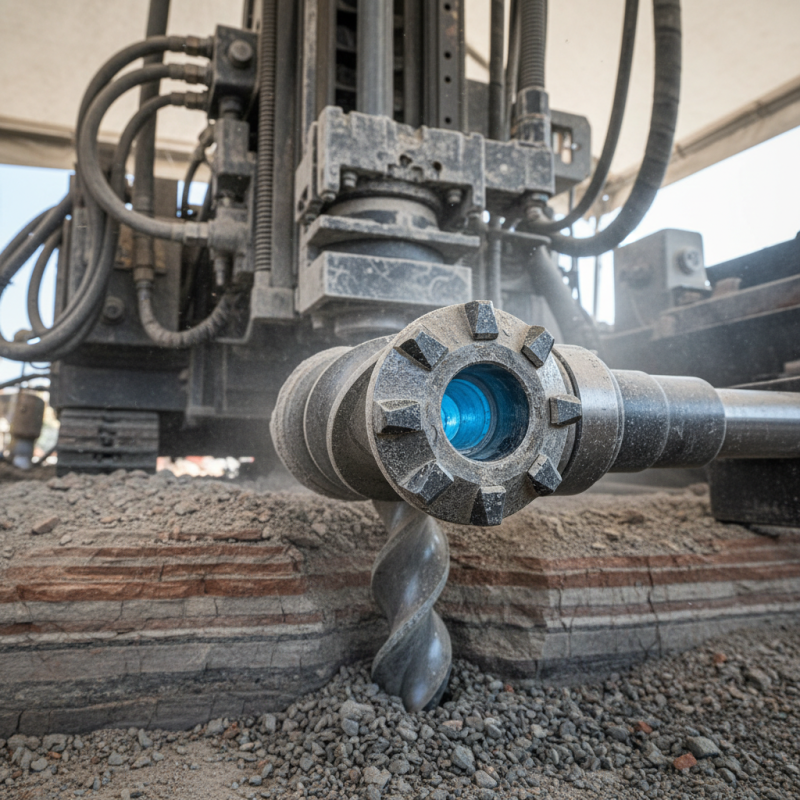
Hollow Bit Design Considerations for Enhanced Drilling Performance
When considering hollow bit design, several factors can significantly enhance drilling performance. The shape and size of the hollow bit affect not only the drilling speed but also the efficiency of debris removal. A well-designed hollow bit allows for better circulation of drilling fluid. This fluid helps keep the bit cool and improves cutting efficiency.
Material choice is crucial as well. High-quality materials can resist wear and tear, prolonging the life of the bit. However, it’s essential to balance durability with cost. Sometimes, opting for cheaper materials can lead to poor performance and frequent replacements. Additionally, the number of nozzles on the bit influences fluid flow. More nozzles may accelerate debris removal, yet they can also create excessive pressure. Finding the right balance is key.
Lastly, considering the specific drilling environment is vital. Different geological formations require tailored hollow bit designs. Adaptability is critical, as what works in one scenario may fail in another. Regular assessment of performance can reveal areas for improvement. Drilling efficiency can often be a trial-and-error process. Learning from past experiences helps in making better design choices for the future.
Impact of Hollow Bit Geometry on Drilling Speed and Efficiency Metrics
The geometry of hollow bits significantly influences drilling speed. When considering designs, factors like the size of the core hole matter. A larger core can reduce the weight of debris. This can lead to faster penetration rates. However, finding the right balance is tricky. If the core is too large, it may weaken the bit structure.
Drilling efficiency metrics also depend on bit shape. A streamlined design can help reduce friction. This enables quicker drilling through tough materials. Conversely, unconventional shapes might hinder performance. They can cause excessive heat due to friction. Observing these variations is crucial. Sometimes, even slight tweaks can dramatically change results.
Many may overlook the importance of material choice. The wrong material can lead to premature wear. It can also slow down the entire process. Proper testing and adjustments are essential. These refinements can make a significant difference in daily operations. Efficiency can improve with a sharper focus on geometry and material science. The road to optimized drilling is not always a smooth one.
Hollow Bit Tips for Improved Drilling Efficiency
| Bit Geometry | Drilling Speed (m/h) | Bit Wear Rate (mm/h) | Efficiency (m³/h) |
| Standard Hollow Bit | 60 | 0.05 | 3.0 |
| Enhanced Hollow Bit | 75 | 0.03 | 4.5 |
| Ultra Hollow Bit | 85 | 0.02 | 5.1 |
| Custom Hollow Bit | 78 | 0.04 | 4.1 |
Material Selection for Hollow Bits: Balancing Durability and Performance
When selecting materials for hollow bits, it's crucial to find a balance between durability and performance. Many operators focus solely on one aspect. This often leads to compromised efficiency. A too-soft material may wear out quickly, while an overly hard material can be brittle. Each application has its unique demands, and understanding these is vital.
The drilling environment also plays a significant role. For example, harder rock formations require bits with tougher material compositions. However, these might be less effective in softer soils. Tests often reveal that a mixed-material approach is valuable. Some using a composite structure report better longevity. However, this solution isn't universally applicable. Operators should analyze their specific needs carefully.
Moreover, regular inspections can help identify when to switch materials. People often ignore this, leading to unexpected failures. Adapting to changing conditions in the field can enhance overall performance. While some choose to stick with what’s familiar, evolving is key. Only through continuous evaluation can one truly optimize drilling efficiency. Devoting time to material choice can save future headaches.
Comparative Analysis of Hollow vs. Solid Bits in Various Drilling Scenarios
Hollow bits offer distinct advantages over solid bits in various drilling applications. A recent industry study showed that hollow bits can improve drilling speed by up to 30%. This is particularly valuable in challenging formations. The design of hollow bits allows for better debris removal. Faster drilling translates to less time on site, which can significantly reduce project costs.
However, not all scenarios favor hollow bits. In some instances, solid bits may provide better durability. The comparative analysis shows that while hollow bits are efficient, they can be prone to wear in abrasive environments. This may lead to increased maintenance needs. For example, a report indicated that hollow bits required 20% more frequent replacements compared to their solid counterparts in rocky terrains.
It's essential to consider the specific drilling conditions. Hollow bits excel in soft to medium formations but may struggle with hard rock. Sometimes, the efficiency gains may not justify the costs. Users must carefully evaluate their drilling projects, weighing the benefits against potential drawbacks. Understanding the nuances of each bit type can lead to improved decision-making in the field.
Best Practices for Maintenance of Hollow Bits to Maximize Longevity
Hollow bits are crucial for efficient drilling. Maintaining these tools requires attention to detail. Regular inspections can prevent unexpected failures. Check for wear and tear after every use. Small cracks may lead to bigger issues.
Cleaning is essential. Remove debris and ensure the bit is free of any blockages. A dirty bit can reduce drilling efficiency significantly. Sometimes, operators forget this step, leading to poor performance. Lubrication should be applied regularly. Proper lubrication minimizes friction and heat buildup. Yet, not everyone understands the right amount to use.
Storage matters as well. Bits should be stored in a dry place. Humidity can cause corrosion over time. Consider organizing bits based on size and use. Disorganized storage can lead to frustration when searching for the right tool. Reflecting on these practices can lead to better outcomes in the long run.
Hollow Bit Tips for Improved Drilling Efficiency
This bar chart visualizes the average longevity of different types of hollow bits used in drilling. By analyzing this data, one can identify which bit types offer better efficiency and lifespan, aiding in optimal selection for drilling operations.
