What is a Frequency Converter and How Does It Work?
Frequency Converters are crucial in modern electrical applications. They allow for the conversion of power frequency, adapting it to different requirements. According to Dr. Elaine Morrison, a leading expert in power electronics, "Frequency converters enable diverse energy solutions across industries." This technology optimizes energy use and improves system efficiency.
A frequency converter adjusts the frequency of electrical energy to suit various machinery or devices. This adjustment can lead to significant energy savings and enhanced performance. The importance of frequency converters spans across various sectors, including renewable energy, manufacturing, and telecommunications. Their role is pivotal in enhancing the functionality of essential equipment.
Despite their advantages, frequency converters pose challenges. Designing and implementing these systems requires expertise. Inadequate installation can lead to inefficiencies or even equipment failure. Therefore, understanding their workings and applications is essential for those involved in energy management and system design. Exploring how frequency converters operate reveals their vital role in shaping a sustainable future.
What is a Frequency Converter?
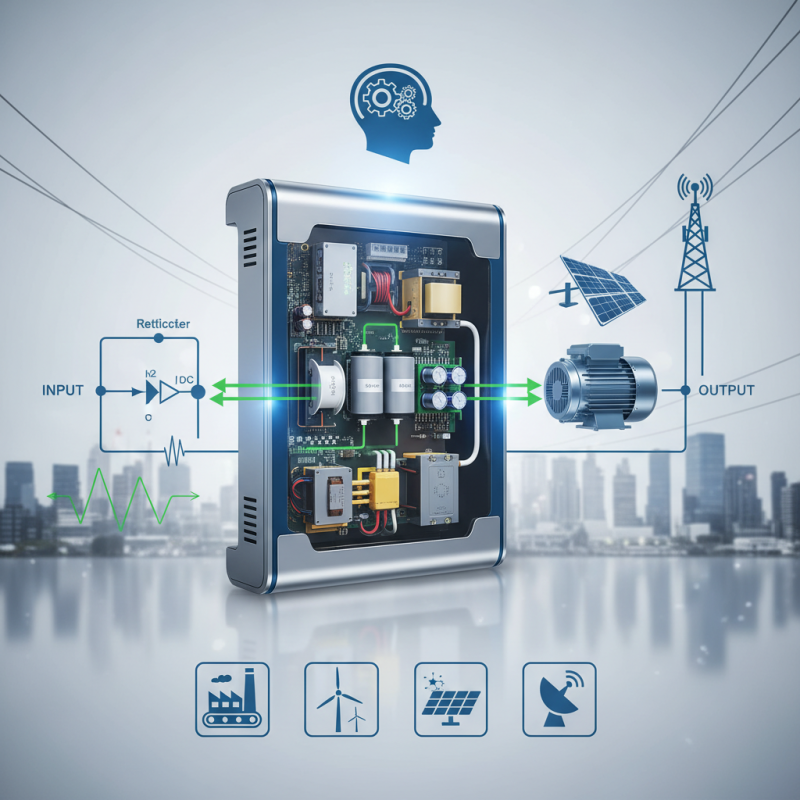
A frequency converter is a device that changes the frequency of electrical power. It is crucial in various applications, especially in industries that rely on motors. Motors often require specific frequency levels to function efficiently. By altering the frequency, these converters help control the speed and torque of electrical machines.
Understanding how frequency converters work can be complex. They typically convert alternating current (AC) from one frequency to another. This process involves rectification, inversion, and filtering. The device first converts AC to direct current (DC) and then back to AC at the desired frequency. This transformation helps ensure that equipment operates smoothly and effectively.
Tips: When selecting a frequency converter, consider the desired frequency output and load requirements. An underpowered converter may lead to inefficiency. Also, regular maintenance can prolong the lifespan of the converter. Be attentive to signs of wear or unusual noises, which might indicate a need for inspection. Understanding your specific application needs is key to choosing the right converter.
What is a Frequency Converter and How Does It Work?
| Dimension | Description | Example Values |
| Input Frequency | The frequency of the input power supply. | 50 Hz, 60 Hz |
| Output Frequency | The frequency generated by the converter for output use. | 0.5 Hz to 400 Hz |
| Input Voltage | The voltage of the incoming electrical supply. | 230 V, 400 V |
| Output Voltage | The voltage provided by the converter to the application. | Adjustable, up to 600 V |
| Efficiency | The percentage of input power converted into output power. | 90% to 98% |
| Applications | Industries and technologies that utilize frequency converters. | Industrial motors, HVAC systems, renewable energy systems |
Fundamental Principles of Frequency Conversion
Frequency converters play a crucial role in various electrical systems. They are used to alter the frequency of the input power supply. This adjustment allows motors and other equipment to operate at different speeds. Understanding frequency conversion is essential for engineers and technicians. It ensures efficiency and reliability in power systems.
At its core, frequency conversion involves two main processes: rectification and inversion. Rectification converts alternating current (AC) to direct current (DC). Inversion then changes that DC back to AC at a different frequency. This process not only changes the frequency but can also regulate voltage levels. Implementing these changes can sometimes lead to inefficiencies. For instance, harmonics might be introduced, affecting overall system performance.
Users need to be cautious when selecting a frequency converter. Quality and compatibility are paramount. Not all frequency converters perform equally well across various applications. Engaging with knowledgeable professionals can help mitigate risks. Making informed decisions ensures optimal performance and extends the lifespan of equipment. Engineer expertise can significantly influence outcomes in frequency conversion applications.
Types of Frequency Converters and Their Applications
Frequency converters come in various types, each tailored to specific applications. One common type is the static frequency converter. This converter is often used in renewable energy settings, like wind power. It can adjust the frequency of electricity generated from variable sources. This helps in stabilizing the power output.
Another type is the rotary frequency converter. It is widely used in industrial environments. These converters can operate heavy machinery. They ensure that equipment runs smoothly, even with fluctuations in power supply. However, their size and maintenance requirements can be challenging for some facilities.
Active front-end converters are also gaining popularity. They provide higher efficiency and better control over the output frequency. These are especially useful in critical applications, such as data centers. However, they can be costly to implement. It’s crucial to evaluate the long-term savings against initial investment. Overall, each type of frequency converter serves a unique purpose and presents distinct advantages and drawbacks.
Key Components of a Frequency Converter
A frequency converter is vital in modern industrial applications. Understanding its key components is crucial for effective implementation. Typically, a frequency converter consists of three main parts: the rectifier, the inverter, and the control system.
The rectifier converts AC to DC, enabling the modification of the signal. Data from the International Energy Agency highlights that about 75% of all industrial energy consumption comes from electrical drives, many of which use frequency converters. The inverter then transforms the DC back into AC, adjusting the frequency and voltage for optimum performance. The control system coordinates these processes, ensuring smooth operation.
Tips for selecting a frequency converter include assessing the intended application. Ensure the components are compatible with existing equipment. A detailed analysis can reveal inefficiencies. Small-scale adjustments can lead to significant energy savings. Always consider future expansion; a flexible converter can adapt to growing needs. Remember, careful selection mitigates risks and maximizes system reliability.
How Frequency Converters Impact Electrical Systems
Frequency converters play a crucial role in electrical systems, impacting efficiency and performance. By adjusting the frequency of electrical signals, they help optimize the operation of various devices. This is particularly vital in applications like motor control, where maintaining the correct frequency can enhance energy efficiency. When frequency converters change the frequency, they affect how equipment operates, allowing for better control over speed and torque.
The integration of frequency converters can lead to significant energy savings. These devices enable the adjustment of power consumption based on actual demand. This adaptability can reduce energy waste, especially in industrial settings where machinery often runs at full power regardless of need. However, improperly selected converters can cause harmonics, potentially damaging equipment.
While frequency converters provide notable benefits, they can present challenges during implementation. Proper installation and maintenance are essential to ensure optimal performance. It is important to consult with experts who understand the complexities involved. This ensures that the converters align with the specific needs of the electrical system. Understanding these nuances can prevent system inefficiencies and prolong equipment lifespan.
