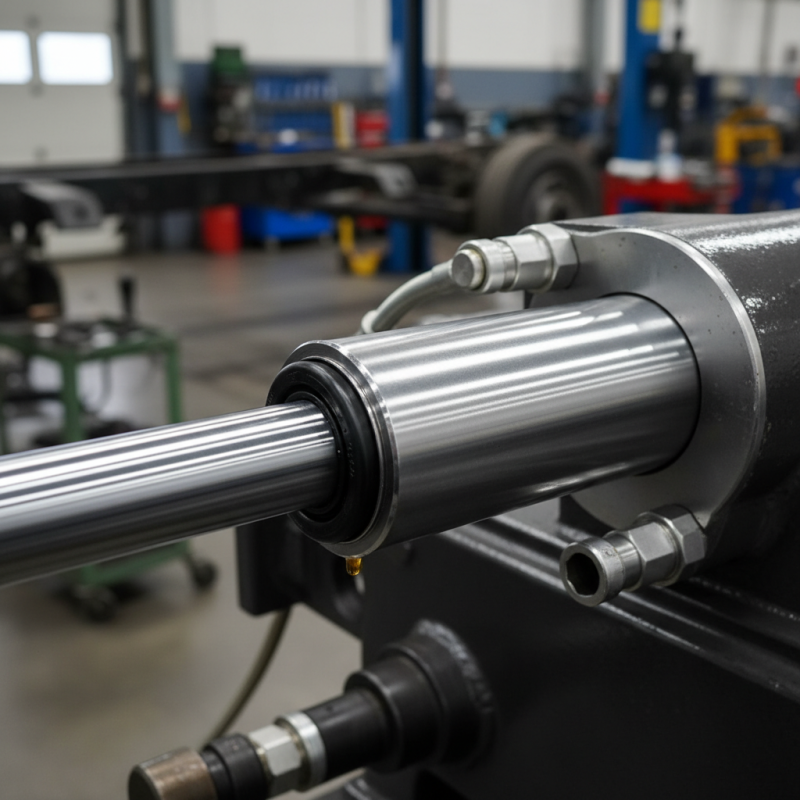
Essential Tips for Maintaining Your Steering Cylinder?
Maintaining your Steering Cylinder is crucial for optimal vehicle performance. A well-functioning steering system ensures safety and control on the road. Over time, wear and tear can affect your Steering Cylinder's efficiency. Regular maintenance is not just a recommendation; it's a necessity.
Check for leaks regularly. Oil leaks can lead to serious steering issues. A decrease in hydraulic fluid can cause your steering to become stiff. Addressing small problems early is often easier than fixing major failures later.
Remember, neglecting your Steering Cylinder can have severe consequences. Driving with a faulty steering system is risky. Take the time to inspect and maintain it. Your safety and the vehicle’s longevity depend on it.
Understanding the Steering Cylinder: Key Components and Functions
The steering cylinder plays a critical role in vehicle dynamics. It acts as a hydraulic actuator that converts fluid pressure into mechanical movement, steering the vehicle in the desired direction. Understanding its key components is vital. The piston, seals, and cylinder barrel work together seamlessly. These parts are engineered to withstand high pressures, often exceeding 2500 psi, as per industry standards.
Regular maintenance is crucial for the longevity of the steering cylinder. Hydraulic fluid must be checked frequently to prevent contamination. Fluid leakage can lead to reduced steering performance and potential failure. According to a recent study, around 30% of steering failures stem from inadequate maintenance of the hydraulic system. Neglecting these tasks can result in costly repairs, sometimes exceeding $1,000.
Compromised seals can cause fluid loss, leading to erratic steering behavior. Drivers may not notice it until it's too late. Reports suggest that vehicles with worn seals lose steering precision by 40%, increasing the risk of accidents. Observing minor issues early can save both money and enhance safety. Replacing low-quality seals can prevent future complications. It's essential to recognize that even small details matter in steering cylinder maintenance.
Common Issues with Steering Cylinders and Their Symptoms
Steering cylinders play a crucial role in vehicle handling. Common issues can arise, affecting performance and safety. Drivers should be aware of various symptoms. Excessive play in the steering wheel is one. Unusual noises when turning can indicate problems. Fluid leaks near the cylinder are also a red flag.
Regular maintenance is key. Check fluid levels often. Clean the cylinder area to prevent dirt buildup. Look for signs of wear on seals and hoses. If you notice any strange behavior, address it immediately. Ignoring small issues can lead to bigger problems later.
Balancing performance with care is essential. Understand how your steering cylinder functions. Be proactive with inspections. It’s easy to overlook but very important. Pay attention to any changes in steering feel. A little vigilance can save you money and time.
Step-by-Step Maintenance Procedures for Your Steering Cylinder
Maintaining your steering cylinder is crucial for safe driving. Regular inspections help identify issues early. Begin by visually checking for leaks or corrosion. Use a clean rag to wipe the cylinder. Dirt can cause premature wear.
Tips: Inspect fluid levels regularly. If low, it might indicate a leak. Tighten connections to ensure a secure fit. A small issue can turn into a larger problem if ignored. Listen for unusual noises while steering. They can signal underlying problems.
Next, ensure the seals are intact. Damaged seals can lead to fluid loss. Replace them if they show signs of wear. Keeping a log of maintenance activities is helpful. It helps track changes over time. Reflect on each maintenance session. What went well? What needs improvement? Taking these steps can extend the life of your steering cylinder.
Essential Tips for Maintaining Your Steering Cylinder
This bar chart illustrates the key maintenance tasks for your steering cylinder along with their recommended frequency in months. Regular maintenance ensures optimal performance and extends the lifespan of your steering system.
Importance of Regular Inspections and Testing for Steering Cylinders
Regular inspections are crucial for steering cylinders. These components play a vital role in vehicle handling and safety. Any malfunction can lead to serious problems. A simple check can reveal leaks or wear. Look for any sign of fluid loss. This indicates potential failure. Small issues can escalate if overlooked.
Testing steering cylinders helps identify performance issues. Hydraulic pressure specifications should be checked. Ensure the system operates smoothly under various conditions. Listen for unusual noises when testing. These sounds may signal internal problems. Document findings after each inspection. This builds a clear maintenance history.
Routine checks should be scheduled. Don’t wait for warning signs to appear. Create a proactive maintenance plan tailored to your vehicle's needs. Reflect on past repairs and be mindful of recurring issues. It’s easy to dismiss small concerns, but vigilance can prevent disasters. Your steering system deserves this attention.
Essential Tips for Maintaining Your Steering Cylinder
| Inspection Interval | Inspection Task | Recommended Tools | Notes |
| Monthly | Visual Check for Leaks | Flashlight, Wipes | Look for any fluid accumulation around the cylinder. |
| Quarterly | Check Cylinder Mounts | Wrench Set, Safety Gloves | Ensure mounts are secure and free from wear. |
| Semi-Annually | Pressure Testing | Pressure Gauge, Testing Equipment | Check for proper pressure and functionality. |
| Annually | Fluid Replacement | Fluid, Funnel, Drain Pan | Replace old fluid to ensure optimal performance. |
Best Practices for Lubrication and Storage of Steering Cylinders
Lubrication is key to maintaining your steering cylinder. Proper lubrication reduces friction and wear on critical parts. Research from the American Society of Mechanical Engineers (ASME) suggests that proper lubrication can extend the life of hydraulic components by up to 40%. Ensuring that your steering cylinder is well-lubricated can save significant costs in maintenance and repairs. Use the right type of lubricant recommended for your specific application.
Regular checks are vital for storage conditions. Steering cylinders should be stored in a cool, dry place. Avoid exposure to moisture or extreme temperatures. A report from the National Fluid Power Association highlighted that neglecting these parameters can lead to corrosion and operational failure. Store cylinders upright when possible to prevent leaks.
Tip: Always clean the cylinder before lubrication. Remove any dirt or debris that could cause contamination. This simple step ensures optimal performance. Regularly inspect seals for wear or damage. Replace them as needed to avoid leaks. Another critical tip is to document all maintenance activities. Keeping track helps in identifying trends and issues over time. Good record-keeping may reveal patterns requiring attention.