What is Electrical Steel and Why is it Important?
Electrical Steel is a specialized material crucial in the production of electrical transformers, motors, and generators. Its unique magnetic properties allow for efficient energy conversion and minimize energy losses. In a world increasingly reliant on electricity, the role of electrical steel is becoming more significant.
This material is designed specifically to enhance magnetic performance. It comes in various grades, each tailored for specific applications. Notably, electrical steel is often used in high-horsepower motors and renewable energy systems. However, the manufacturing processes can be complex and resource-intensive.
The importance of electrical steel goes beyond mere functionality. As renewable energy technologies advance, the demand for efficient electrical systems rises. Consequently, the production of electrical steel must evolve to meet these needs. It’s a reminder that innovation must continually address both performance and sustainability challenges.
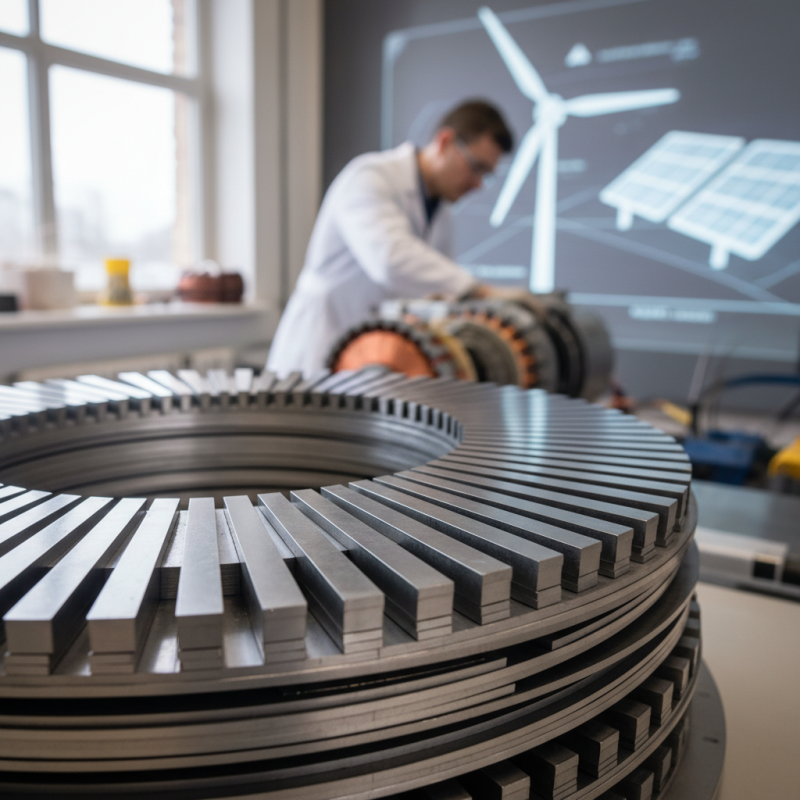
What is Electrical Steel? An Overview of Its Definition and Composition
Electrical steel is a specialized type of steel used in the manufacturing of electrical devices. It has unique magnetic properties that enhance energy efficiency. This material consists mostly of iron, but it often contains silicon to improve its performance. The addition of silicon reduces eddy current losses, making it suitable for electrical applications.
The composition of electrical steel is critical. It typically has low carbon content, which contributes to better magnetic properties. The manufacturing process involves heat treatments and precise alloying. These steps ensure that the finished product meets specific performance standards. The surface finish is also vital, as it can reduce losses even further.
Electrical steel plays a significant role in transformers and electric motors. Without it, these devices would be less effective. However, not all electrical steel is the same. Variations exist, and some are better suited for particular applications. Understanding these differences is important for manufacturers. These nuances can be overlooked, leading to inefficiencies.
The Types of Electrical Steel: Grain-Oriented vs. Non-Grain-Oriented
Electrical steel is essential in power generation and transmission. It comes in two main types: grain-oriented and non-grain-oriented. Understanding these types helps in choosing the right material for specific applications.
Grain-oriented electrical steel has a unique microstructure. This allows it to have superior magnetic properties. It’s commonly used in transformers, where efficiency is crucial. Transformer cores made from this steel reduce energy losses significantly. They ensure better performance in power systems. However, the manufacturing process is complex, which can lead to higher costs.
Non-grain-oriented electrical steel has a more isotropic structure. It offers good magnetic properties in multiple directions. This type is favored in electric motors and generators. It is easier to produce and more versatile. Many industries use it for various applications. Nonetheless, its performance is generally lower than that of grain-oriented steel.
Tips:
When selecting electrical steel, consider your specific needs. For transformers, opt for grain-oriented steel. For motors, non-grain-oriented steel can suffice. Pay attention to the cost versus efficiency balance. Each type has its pros and cons. Assess your project requirements carefully.
Key Properties of Electrical Steel That Enhance Energy Efficiency
Electrical steel is a specialized material designed for use in electrical applications. Its unique properties significantly enhance energy efficiency. The key characteristics of electrical steel include low core loss, high permeability, and optimized magnetic properties.
Low core loss is crucial for reducing the energy wasted due to heat during operation. Reports indicate that switching from conventional steel to electrical steel can lower energy loss in transformers by 30%. This results in substantial savings in operational costs, especially for industries relying on transformers.
High permeability allows for better magnetic performance, enabling devices to operate efficiently at high frequencies. Enhanced magnetic properties reduce the size and weight of electrical devices. For instance, when manufacturers utilize high-grade electrical steel, the overall size of electric motors can be decreased by up to 20%. However, not all electrical steel grades achieve these efficiencies. The ongoing challenge for manufacturers is to balance cost with performance.
Applications of Electrical Steel in the Power and Automotive Industries
Electrical steel plays a crucial role in the power and automotive sectors. Its unique magnetic properties enhance the efficiency of transformers and electric motors. According to a recent report by the International Energy Agency, improving the efficiency of electrical machines can lead to energy savings of 5-20%. This is significant in today's context, where energy conservation is paramount.
In the automotive industry, electrical steel is vital for electric vehicles. It helps reduce losses in drivetrain motors and increases overall performance. A study by Research and Markets indicates that the global demand for electric vehicles is projected to reach 50 million units by 2030. This surge directly impacts the need for high-quality electrical steel, proving its critical importance.
However, challenges exist. The production of high-grade electrical steel can be resource-intensive. This raises concerns about sustainability and supply chain dependencies. Addressing these issues is essential for future growth. Balancing performance and environmental impact will be an ongoing task for the industry. Improving production methods and sourcing responsibly are areas that require ongoing evaluation.
What is Electrical Steel and Why is it Important? - Applications of Electrical Steel in the Power and Automotive Industries
| Dimension | Description | Industry Application | Importance |
| Material Type | Silicon Steel | Power Industry | High magnetic permeability and low losses increase efficiency. |
| Thickness | 0.5 mm - 3 mm | Automotive Industry | Improves the performance of electric motors in vehicles. |
| Coating | Insulating Coating | Power Transformers | Reduces eddy current losses and enhances durability. |
| Magnetic Properties | High Permeability and Low Losses | Generators | Essential for the efficient generation of electricity. |
| Applications | Electric Motors, Transformers | Railway Systems | Powering electric rail systems efficiently. |
Market Trends and Projections for Electrical Steel Demand by 2025
The demand for electrical steel is rapidly increasing. By 2025, the market for electrical steel is projected to grow significantly. A recent industry report estimates the global demand will reach around 20 million metric tons. This surge is largely driven by the electric vehicle (EV) sector and renewable energy systems. These technologies rely heavily on high-quality electrical steel for efficient performance.
The increase in electric vehicle production is notable. As more automakers shift to EVs, the need for transformers and motors rises. In this context, electrical steel plays a crucial role. It reduces energy losses and enhances overall efficiency. Additionally, advancements in manufacturing processes improve the quality and performance of electrical steel. Nevertheless, there remains uncertainty regarding raw material availability and pricing fluctuations.
The renewable energy market also impacts electrical steel demand. Wind turbines and solar inverters require substantial amounts of this material. Experts predict a compound annual growth rate of 4% in this sector. However, challenges, such as sourcing sustainable materials, persist. Companies must navigate these issues to ensure growth while maintaining their commitment to environmental sustainability. The balance is delicate but essential for future developments in the electrical steel market.
