What is a Cnc Lathe Machine and How Does It Work?
The Cnc Lathe Machine is a vital piece of equipment in modern manufacturing. It automates the process of shaping materials like metal and plastic. With its precision and efficiency, it has transformed industries. This machine allows for intricate designs and consistent production.
Understanding how a CNC lathe works is essential. It utilizes computer programming to move the workpiece and cutting tool. The operator inputs specific measurements and shapes into the software. The machine then carries out these instructions automatically. This process can reduce human error but may also rely heavily on the initial programming.
While CNC lathes offer many advantages, they aren't without challenges. Mistakes in programming can lead to defects in the final product. Operators must remain vigilant and knowledgeable. Continuous training is necessary to keep pace with evolving technologies. Understanding both the strengths and limitations of CNC lathe machines is crucial for success in machining.
What is a CNC Lathe Machine?
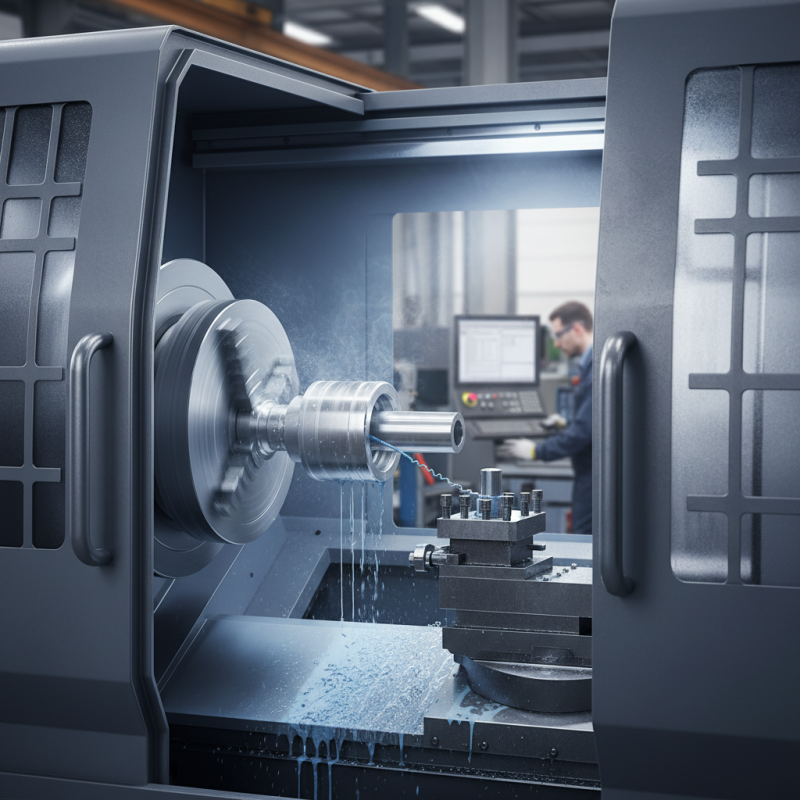
A CNC lathe machine is a vital tool in modern manufacturing. It automates the turning process, making it precise and efficient. These machines can shape materials like metal and plastic. They achieve this with computer numerical control (CNC), which allows for intricate designs. According to a recent report, the CNC machine market is projected to reach $100 billion by 2026, driven by industry demand.
CNC lathes operate by rotating the workpiece against the cutting tool. This rotation allows for tight tolerances and smooth finishes. In fact, some machines can achieve tolerances as tight as ±0.002 mm. This precision is crucial for industries like aerospace and automotive. Many operators, however, face challenges in programming and maintenance. A small error in setup can lead to costly mistakes.
While CNC lathes offer many advantages, they are not without their limitations. The initial cost can be quite high. Training staff for optimal operation also presents a challenge. Additionally, if not calibrated regularly, the machine's accuracy may decline over time. These factors often require manufacturers to reassess their operational strategies and investment approaches.
Key Components of a CNC Lathe Machine
A CNC lathe machine is a vital tool in modern manufacturing. It relies on several key components to function effectively. The core element is the spindle, which holds the workpiece. The spindle rotates, allowing the cutting tool to carve precise shapes. Reports estimate that the spindle speed can reach up to 6000 RPM, ensuring efficient material removal.
Another essential component is the tool post. This holds multiple cutting tools, allowing for quick exchanges during operations. A CNC lathe typically supports various tool types, such as turning and boring tools. With the right programming, manufacturers can reduce cycle times significantly. Yet, settings may vary, leading to potential inefficiencies if not monitored closely.
The control system of a CNC lathe is equally crucial. It interprets G-code instructions to move the lathe's axes. A common challenge is programming errors, which can lead to incorrect tool paths. Even seasoned operators can face hurdles here, often requiring revisions. Finally, the workholding system secures the material, but users must regularly check for any signs of wear or displacement.
How a CNC Lathe Machine Operates
A CNC lathe machine is a powerful tool used for shaping materials. It works by rotating a piece of material, usually metal or wood, while cutting tools remove excess material. This process can create cylindrical shapes, grooves, and threads. The machine is controlled by a computer, which ensures precise movements and cuts.
When operating a CNC lathe, several steps are involved. First, the operator loads the material and sets the machine parameters. The CNC software then translates the design into movements. The toolhead moves along the axis, making adjustments based on the programmed specifications. The result is often accurate and repeatable. However, programming errors can occur, leading to misalignment or undesired cuts. Operators must carefully check designs before executing them.
Another critical aspect is tool wear. Over time, cutting tools can degrade, affecting the quality of the finished product. Regular maintenance and inspection are essential. Operators may overlook this, which can lead to compromised results. Continuous learning is key. Engaging with different materials and techniques helps improve skills. This machine offers many possibilities, but it requires constant attention to detail.
Applications of CNC Lathe Machines in Industry
CNC lathe machines are pivotal in various industries, producing precise cylindrical components. These machines excel in tasks like turning, drilling, and threading. According to a 2022 report by Market Research Future, the CNC lathe machine market was valued at approximately $7 billion. This figure underscores their significance in manufacturing.
The automotive sector is one of the largest users of CNC lathe machines. These machines create parts crucial for engine components and transmission systems. Data suggest that about 40% of CNC lathe production serves this industry. However, as technology evolves, manufacturers face challenges in keeping up with advancements. Many still rely on outdated models, resulting in inefficiencies.
Additionally, the aerospace field also benefits from CNC lathe applications. They manufacture complex parts that require high precision. A 2023 report highlighted that precision tolerances are critical, with variations as small as 0.001 inches. Yet, achieving such accuracy consistently remains a hurdle for many operators. Continuous training and investments in new tech are essential but often lacking. Transitioning to modern systems isn’t just a trend; it's a necessary evolution for competitiveness.
Advantages of Using CNC Lathe Machines over Traditional Lathes
CNC lathe machines offer several advantages over traditional lathes. They provide higher precision and accuracy in machining parts. This is achieved through automated controls and computer programming. Operators can create intricate designs, eliminating many manual errors. Such reliability leads to consistent production quality. With a CNC lathe, the chances of rework reduce significantly.
Another key benefit is increased efficiency. CNC lathes automate the entire process, allowing for faster production cycles. While traditional lathes require more manual labor, CNC machines cut down on this dramatically. This can benefit businesses by improving productivity and reducing labor costs.
Tips: Always ensure your CNC program is tested first. Small errors in coding can lead to significant issues. Regular maintenance of the machine is crucial too. Neglect can lead to downtime and costly repairs. Understanding the machine's limitations is vital; pushing it too far can result in unexpected results.
