2026 How to Choose the Right Polyethylene Sheet for Your Needs?
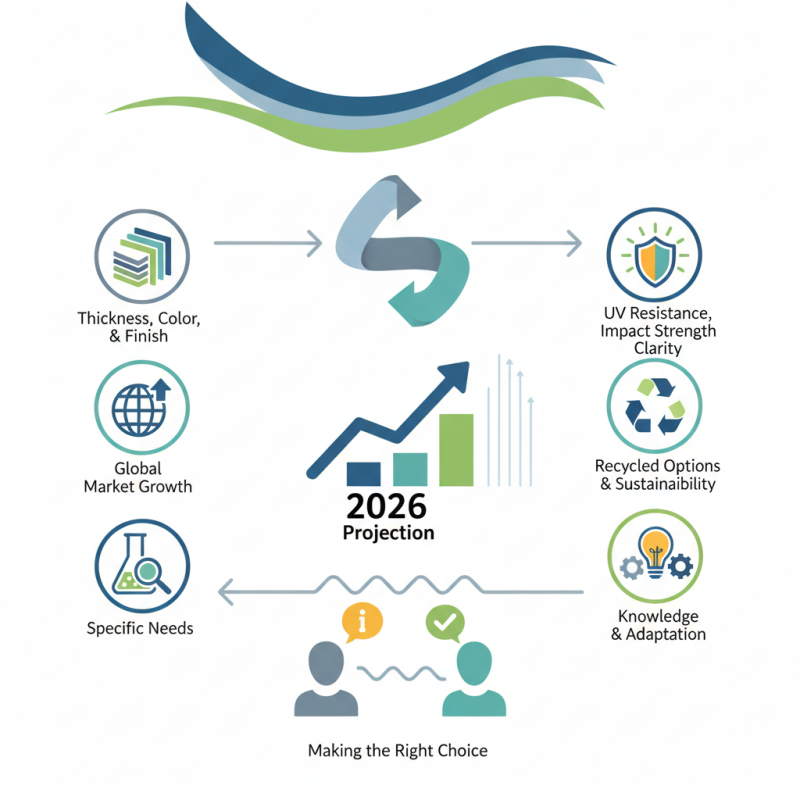
Selecting the right Polyethylene Sheet for your project can be challenging. The diversity in thickness, color, and finish means careful consideration is essential. According to a report by MarketsandMarkets, the global polyethylene market is projected to reach $291.6 billion by 2026. This growth underscores the importance of understanding your specific needs.
"Choosing the correct polyethylene sheet can greatly impact your project's success," said Dr. Emily Carter, a leading expert in polymer science. Her insights stress that not all sheets are created equal. Different applications demand different properties, such as UV resistance, impact strength, or clarity.
Moreover, with the increasing focus on sustainability, many manufacturers are producing recycled polyethylene options. This trend raises questions about quality and performance. It's crucial to weigh the benefits of recycled materials against their potential limitations. Making the right choice requires not only knowledge but also a willingness to adapt as new developments arise in the industry.
Understanding Polyethylene: Types and Their Applications
Polyethylene (PE) is a versatile plastic widely used in various applications. Understanding the different types of polyethylene can help you choose the right sheet for your specific needs. The most common types are Low-Density Polyethylene (LDPE) and High-Density Polyethylene (HDPE). LDPE is flexible and durable, making it ideal for packaging, while HDPE offers more strength and is perfect for construction projects. Each type has unique properties that cater to different requirements.
For instance, LDPE sheets are often used in food packaging due to their chemical resistance and low permeability. This ensures that food remains fresh. Conversely, HDPE sheets are more suitable for outdoor applications. They resist harsh weather and UV rays, which prolongs their lifespan. However, one must be cautious about choosing the right thickness and density. Too thick a sheet for lightweight applications may lead to unnecessary costs.
Consider the environmental impact of your choice as well. Although polyethylene is recyclable, not all facilities accept every type. Check local recycling guidelines before disposal. It's important to weigh all factors carefully. The right sheet can enhance functionality and sustainability in your projects.
Properties of Polyethylene Sheets: Thickness, Density, and Strength
When choosing a polyethylene sheet, it's crucial to consider its properties. Thickness, density, and strength significantly impact performance. For instance, sheets typically range from 0.5 mm to 10 mm in thickness. Thicker sheets provide enhanced durability but may be heavier and more challenging to work with. Studies indicate that sheets over 5 mm often outperform thinner options in outdoor applications due to increased resistance to UV degradation and physical stress.
Density is another essential factor. Polyethylene sheets typically have a density ranging from 0.91 to 0.965 g/cm³. Higher-density sheets generally offer increased strength and impact resistance. A report from the American Plastics Council highlights that high-density polyethylene (HDPE) can withstand forces up to 15,000 psi. This makes HDPE suitable for industrial uses, where load-bearing is critical.
Strength must be tailored to specific applications. Notably, certain applications demand exceptional strength, while others prioritize flexibility. The choice can be challenging. If one selects a sheet designed for strength, it might lack the flexibility needed for curved installations. Balancing these elements requires careful reflection on the intended use. Therefore, understanding your needs is vital in selecting the right polyethylene sheet for optimal performance.
Key Factors to Consider When Choosing Polyethylene Sheets
When selecting polyethylene sheets, several key factors come into play. Thickness is crucial. Thicker sheets offer better durability and weather resistance, making them ideal for outdoor applications. Consider the specific requirements of your project. A thickness of 0.5mm may suffice for light-duty tasks, while heavy-duty applications may need sheets over 3mm.
Another important factor is the density of the polyethylene. Low-density polyethylene (LDPE) is more flexible, while high-density polyethylene (HDPE) offers greater strength. If you're unsure, think about the specific conditions your sheets will face. For example, heavy impacts and extreme temperatures may require HDPE for optimal performance.
Tips: Always test a small sample before making a large purchase. This helps ensure it meets your needs. Additionally, check for UV resistance if the sheets will be exposed to sunlight. Be mindful of any flaws in the sheets; even minor defects can affect performance. Use these insights to make a more informed decision when choosing the right polyethylene sheet.
Common Uses of Polyethylene in Various Industries
Polyethylene sheets are widely used in various industries, thanks to their versatility and durability. In construction, they act as vapor barriers. These sheets help control moisture in structures, and they are also lightweight, making transportation and installation easier. Additionally, polyethylene sheets provide excellent protection against chemicals, which is vital in construction work.
In the agricultural sector, polyethylene serves multiple purposes. Farmers use it for greenhouse covers, which enhance plant growth by trapping heat and light. These sheets are also common in crop protection. They minimize pest damage while controlling weeds. However, while they are effective, improper use can lead to environmental issues. Over time, ultraviolet degradation can occur, requiring careful consideration.
Packaging is another area where polyethylene excels. It provides protection for goods during transportation. Its ability to be customized makes it popular for various products. However, recycling polyethylene remains a challenge. The long-term impact of waste is a concern for many. Employing better recycling systems is crucial for sustainability in this industry. Balancing utility with environmental responsibility is key.
Environmental Impact and Sustainability of Polyethylene Materials
When considering the environmental impact of polyethylene materials, it's essential to analyze both their production and disposal. According to the American Chemistry Council, the production of polyethylene accounts for a significant portion of greenhouse gas emissions. Approximately 2.5 tons of CO2 are emitted for every ton of polyethylene produced. This highlights the need for mindful consumption and responsible sourcing.
Sustainability is another crucial factor. A report from the European Bioplastics Association indicates that only about 9% of plastics get recycled worldwide. This means that the majority ends up in landfills or oceans. It's troubling that even biodegradable alternatives often require specific industrial conditions to break down. This raises questions about the reliability of "green" labels and the overall environmental footprint of polyethylene sheets.
Moreover, the lifecycle assessment of polyethylene reveals a complex relationship with sustainability. While lighter and often more affordable compared to other materials, their durability can lead to long-lasting waste. Many industries are exploring innovative recycling methods and bio-based alternatives. However, the journey towards sustainable polyethylene is ongoing and challenged by production practices and consumer behaviors. Safeguarding the environment demands continuous evaluation and exploration of new paths.
