How to Choose the Right Pipe Union Fitting for Your Needs?
When selecting a Pipe Union Fitting, understanding your specific needs is crucial. A pipe union fitting serves as a vital component in plumbing systems. It allows for easy connection and disconnection of pipes, facilitating repair and maintenance.
The variety of options available can be overwhelming. Materials, sizes, and pressure ratings vary widely. Each choice significantly impacts performance and longevity. It's essential to assess both the installation environment and the type of fluids involved.
Many overlook the importance of compatibility. Using the wrong pipe union fitting can lead to leaks or system failures. Sometimes, even small details can influence functionality. Choosing the right fitting requires careful consideration. Are you prioritizing strength or flexibility? Reflecting on these questions will guide you toward a well-informed decision.
Understanding Pipe Union Fittings: Types and Functions
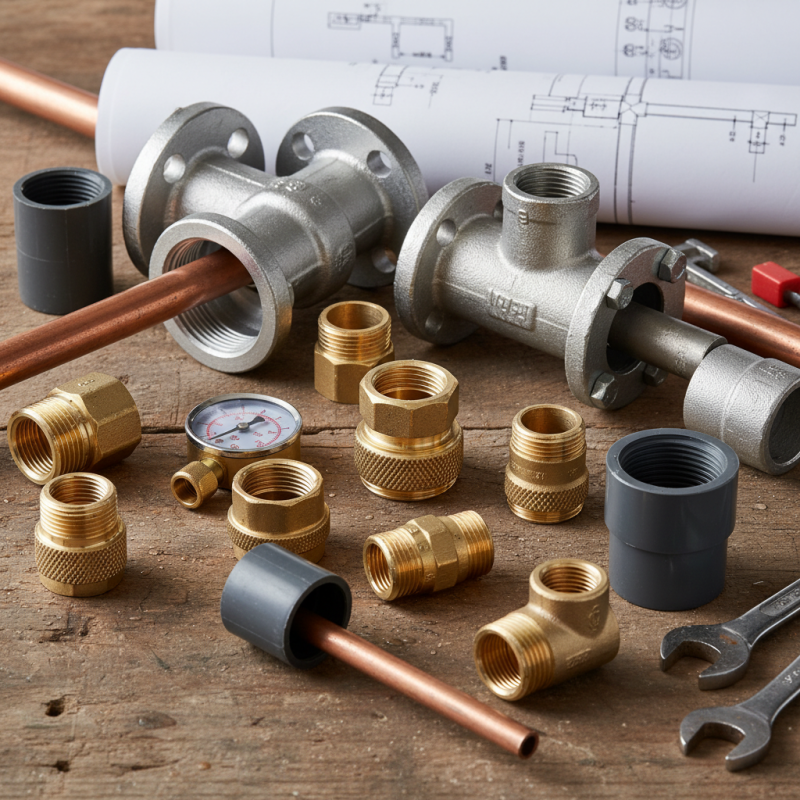
Pipe union fittings are essential components in piping systems. Understanding their types and functions is crucial for effective installations. These fittings provide an easy way to connect and disconnect pipes. They come in various shapes, including threaded, socket weld, and flanged unions. Each type addresses different needs in building plumbing systems.
When selecting your pipe union fitting, consider the materials involved. Metal fittings are durable but may corrode. Plastic options are lighter and resist chemicals but might not handle extreme temperatures. The right choice depends on your specific application. Assess your system's requirements carefully before purchasing.
Tips: Always measure your pipes before buying fittings. Mismatched sizes lead to leaks or pressure loss. Consult a professional if you're unsure about your choices. A little guidance can save significant time and money. Regularly re-evaluate your existing fittings to ensure they meet current demands.
Key Factors to Consider When Choosing a Pipe Union Fitting
Choosing the right pipe union fitting requires careful consideration. Several key factors influence this decision. One important aspect is the material of the union fitting. Different materials provide varying degrees of durability and corrosion resistance. For instance, stainless steel is often preferred for its strength, while plastic may be suitable for less demanding environments.
Another factor is the size of the fitting. It should match the diameter of the pipes you are connecting. Using the wrong size can lead to leaks or pressure loss, which can be costly. Additionally, consider the pressure rating of the fitting. If the application involves high pressure, using a fitting with a lower rating can result in failure.
Lastly, the application context is crucial. Are you working with liquids or gases? Is the environment harsh or moderate? These questions help determine the best fitting type. Reflecting on past experiences can guide future choices. Errors can happen when assumptions are made without proper evaluation. Make informed decisions based on detailed assessments to avoid costly mistakes.
How to Choose the Right Pipe Union Fitting for Your Needs? - Key Factors to Consider When Choosing a Pipe Union Fitting
| Material | Size | Pressure Rating | Temperature Range | Application |
| Brass | 1/2 inch | 600 PSI | -40°F to 200°F | Water, Gas |
| Stainless Steel | 3/4 inch | 1500 PSI | -50°F to 500°F | Chemical Processing |
| PVC | 1 inch | 280 PSI | 32°F to 140°F | Irrigation, Drainage |
| Copper | 2 inch | 300 PSI | -40°F to 250°F | Plumbing |
| Galvanized Steel | 1.5 inch | 500 PSI | -20°F to 250°F | Conduits, Heating |
Material Selection: Choosing the Right Material for Your Fitting
Choosing the right material for your pipe union fitting is crucial. The material impacts durability, chemical resistance, and cost. Common materials include stainless steel, PVC, and brass. Each has unique benefits but also certain limitations.
Stainless steel offers high strength and corrosion resistance. It's ideal for harsh environments but can be more expensive. PVC is lightweight and resistant to chemicals, making it suitable for many applications. However, it may not withstand high temperatures. Brass is versatile and durable but can react with certain chemicals, limiting its use.
Tips: Always consider the working environment for your fitting. Identify any chemicals or temperatures it will encounter. Consult with experts when in doubt. If you cannot find a suitable option, reconsider your initial choice. The wrong material can lead to failures and costly repairs. Adapt to your needs as situations change.
Installation Considerations for Pipe Union Fittings
When considering installation for pipe union fittings, several factors come into play. Proper sizing is crucial. An improperly sized fitting can lead to leaks or system failures. Measure the pipe diameter accurately before making a choice. There are different types of unions available, such as threaded and welded. Each type serves specific purposes, and knowing the right one is essential for ensuring a secure connection.
Another aspect to think about is the material compatibility. Some fittings might not work well with certain fluids or gases. Stainless steel, brass, and PVC are common choices, but their durability varies under different conditions. Consider the environment where the union will be installed. High-pressure systems will require heavier-duty fittings. Ignoring pressure ratings can lead to dangerous situations.
Installation methods also vary based on the type of fitting. Threads might require appropriate sealants, while certain unions need precise alignment. Not everyone feels comfortable performing installations. Consider consulting a professional if unsure. It’s wise to double-check all connections after installation. Mistakes can be costly and time-consuming to fix. Learning from past experiences can improve future installations.
Common Applications and Use Cases for Pipe Unions
Pipe union fittings are essential in various applications, providing a means to connect two pipes easily. In plumbing systems, unions allow for straightforward maintenance and repair. If a leak occurs, you can quickly detach and replace the damaged section. This reduces downtime in residential or commercial settings.
In industrial environments, pipe unions are widely used in fluid transfer systems. They ensure that connections can be made and disassembled without disrupting the flow. This is crucial for processes that require the timely exchange of materials. Additionally, unions are common in heating, ventilation, and air conditioning (HVAC) systems. They facilitate changes and upgrades in the piping configuration as needs evolve.
Selecting the appropriate union fitting is vital. Consider the materials, sizes, and pressure ratings of your system. It’s easy to overlook compatibility with existing pipes, leading to potential issues. Seek expert advice to navigate these complexities. A fitting that works in one setting may not function in another. The nuances of each application require careful thought and consideration.