How to Choose Galvanized Nails for Your Next Project?
When embarking on a construction or DIY project, choosing the right materials is essential. Galvanized nails are a popular choice due to their resistance to rust and corrosion. According to expert John Smith, “Using the right galvanized nails can significantly extend the lifespan of your project.” His insight emphasizes the importance of understanding how galvanized nails function.
Selecting the appropriate galvanized nails is not always straightforward. Factors such as size, coating thickness, and the specific application should guide your decision. A 1-inch nail may work well for light plywood, but a heavy-duty project might require thicker, longer nails. Each project presents unique challenges, which can lead to mistakes if not carefully considered.
Moreover, it's crucial to reflect on the intended environment for your project. For instance, outside applications may demand even more durable options. While galvanized nails offer many benefits, understanding their limitations is equally important. Proper consideration will ensure a successful outcome and help avoid costly errors.
Understanding Galvanized Nails: What They Are and Why Use Them
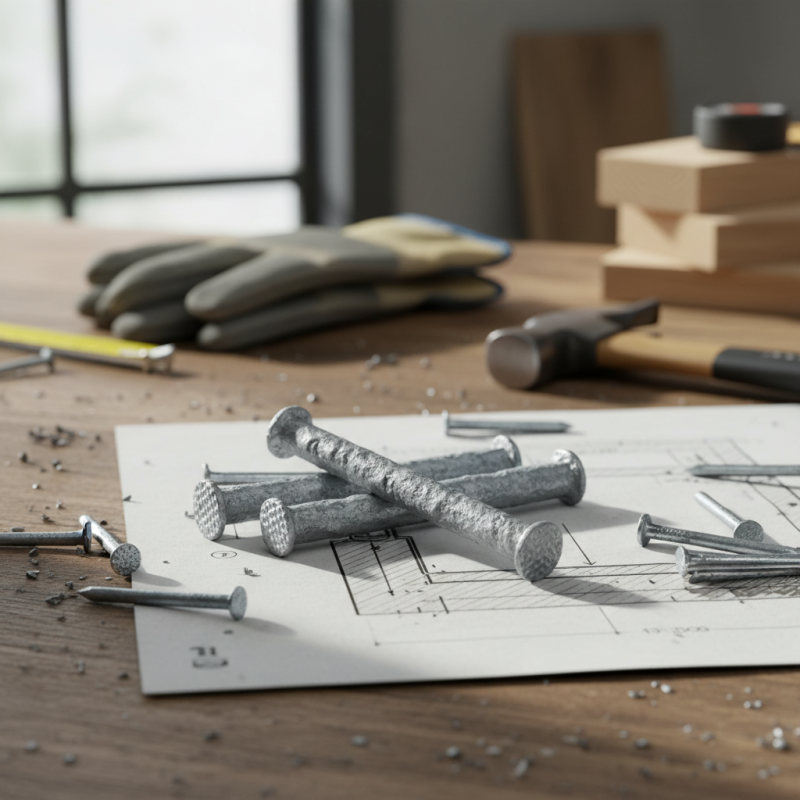
Galvanized nails are durable and rust-resistant fasteners. They are coated with a layer of zinc, which protects them from moisture. This makes them ideal for outdoor projects. You may wonder why others prefer them. The ability to withstand the elements gives them an edge over regular nails. Builders often choose galvanized nails for decking and fences. However, not all galvanized nails are the same.
Different projects require different types of galvanized nails. Consider the specific requirements of your task. Will it be exposed to extreme weather? Do you need a certain length or thickness? Some may overlook these details. Using the wrong type can lead to issues later. For instance, using lighter nails for heavy-duty applications can result in structural failures. It’s essential to think carefully about your choices.
While galvanized nails are generally reliable, they are not without drawbacks. If they are not installed properly, they can still rust. Furthermore, using them in untreated wood can lead to corrosion. This happens due to a reaction between the zinc and certain preservatives. It’s crucial to pay attention to these aspects. Making informed decisions will enhance the success of your project.
How to Choose Galvanized Nails for Your Next Project?
| Nail Type | Coating Thickness | Ideal Use | Size Range | Corrosion Resistance |
| Smooth Shank | Class 2 (0.20 mm) | General construction, indoor | 1" to 3" | Moderate |
| Ring Shank | Class 3 (0.30 mm) | Decks, fencing | 1.25" to 4" | High |
| Twist Shank | Class 3 (0.30 mm) | Roofing, heavy-duty applications | 1.5" to 6" | Very High |
| Concrete Nail | Class 1 (0.15 mm) | Masonry work | 1" to 3" | Low |
Key Factors to Consider When Choosing Galvanized Nails
Choosing the right galvanized nails for your project is essential. One critical factor is the size of the nails. Nail length and diameter affect your holding power. A 1.5-inch nail might be adequate for thinner materials, while larger projects require longer nails. Don't underestimate the importance of selecting the proper gauge.
Corrosion resistance is another vital consideration. Different coatings offer varying levels of protection. Hot-dipped galvanized nails provide the best defense against rust. However, they can be more expensive than electro-galvanized options. Consider your project's environment. Outdoor use often demands higher durability.
Lastly, think about the nail's head shape. Some projects benefit from flat heads for flush finishes. Others might need round heads for added holding strength. It's a balance of aesthetics and functionality. It's easy to overlook these details, but doing so could lead to mistakes. Take your time and reflect on the specific needs of your project.
Choosing the Right Galvanized Nails for Your Project
Types of Galvanized Nails and Their Suitable Applications
When selecting galvanized nails, it’s essential to understand their various types and applications. Common optionsinclude Common Nails, finish nails, and framing nails.Common nails are versatile and suited for general construction tasks. They work well in wood framing and roofing. Finish nails provide a sleek look for trim work and cabinetry. Their smaller heads leave minimal marks. Framing nails, on the other hand, are heavier and designed for structural applications.
Using the right type of nail is crucial. For instance, using finish nails in a framing project may lead to weak connections. This can compromise the stability of your structure. Similarly, using common nails in areas exposed to moisture may cause rusting over time. It is vital to consider the environment and the material you are working with. Understanding these factors helps in making informed choices. Sometimes, people forget to match the nail type with the project requirements. Always reflect on the long-term impact of your choices.
Best Practices for Using Galvanized Nails in Your Projects
When using galvanized nails, consider their corrosion resistance. This is essential for outdoor projects or areas with high moisture. For instance, using them in fencing or roofing can prevent rusting. A rusty nail can compromise the integrity of your work. Check the coating thickness as well. Thicker coatings offer better protection, especially in harsh environments.
In addition to corrosion resistance, pay attention to nail length. The right length ensures strong holding power. If a nail is too short, it may not secure the materials effectively. If it's too long, it can split wood or leave sharp ends exposed. Ensure proper spacing between nails to avoid wood splitting. Aim for a balance; not too close and not too far apart.
It's also essential to use the right tools when driving nails. A hammer and nail set can help drive them properly. A power nailer speeds up the process but requires caution. Misfiring can damage materials. Take time to practice your technique. A well-driven nail looks better and is more effective. Remember, precision matters in every project.
Where to Buy Quality Galvanized Nails for Your Needs
When searching for quality galvanized nails, consider local hardware stores. They often have a good selection. You can visually inspect the nails for quality. This prevents potential issues during your project. Check the packaging for rust resistance information.
Another option is to browse online retailers. Many offer great deals and bulk purchasing options. Just ensure to read customer reviews. Reviews often highlight issues with rust or improper sizing. It’s crucial to choose a reliable source to avoid costly mistakes.
Don’t underestimate the importance of proper storage. Nails can corrode if exposed to moisture. Invest in a sealed container. Make sure to label the container. This will save you time on your next project. Sometimes, it’s easy to overlook these small details. But they can have a big impact later.
