How to Choose Chenille Stripe Fabric for Your Projects?
Choosing the right Chenille Stripe Fabric is essential for your sewing projects. This fabric stands out with its unique texture and vibrant patterns. Many crafters and designers are drawn to its soft, plush feel. The stripes can add character to any item, from cushions to apparel.
When selecting Chenille Stripe Fabric, consider quality. Look for materials that feel good to the touch and hold up well over time. We often overlook the importance of durability, but it can affect the longevity of your projects. Inspect the fabric closely for any inconsistencies in the weave or patterns.
Additionally, think about color and design. Your choices should align with the theme of your project. Stripes can change the perception of space and style. A bold striped fabric can make a statement, while subtle hues offer a more understated elegance. Reflect on how each cut could enhance or detract from your vision. Selecting the perfect Chenille Stripe Fabric is not just about aesthetics; it’s an exercise in creativity and personal expression.
Understanding Chenille Stripe Fabric: Characteristics and Benefits
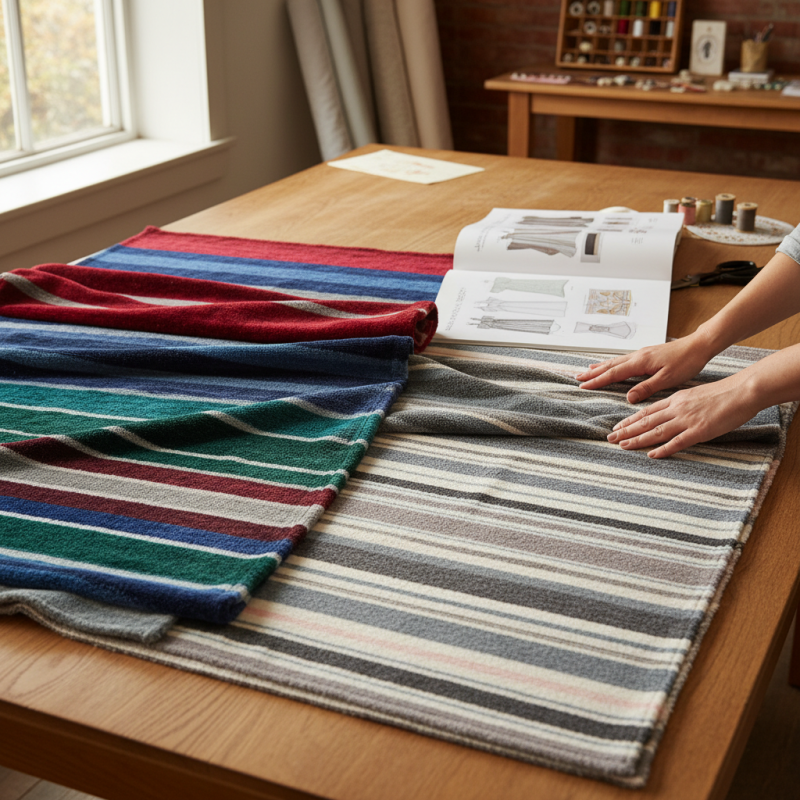
Chenille stripe fabric is a delightful choice for various projects. Its unique texture and vibrant patterns add personality to any creation. Chenille fibers give the fabric a soft, velvety feel, making it perfect for cushions and blankets. This fabric is highly durable, standing up to wear and tear. However, it requires careful handling due to its delicate nature.
Tips: When working with chenille, always pre-wash it to minimize shrinkage. Use a walking foot to avoid fabric shifting while sewing. It's essential to keep the stitches loose; tight stitches can distort the texture.
The stripes offer versatility in design. You can create stunning quilts or stylish throw pillows. The richness of color can elevate a simple project. Choose complementary colors that resonate with your personal style. Keep in mind, it might fray easily, so serging the edges is a good practice.
Overall, the charm of chenille stripe fabric lies in its tactile qualities. Experiment with different applications, but be mindful of its challenges. Embrace the learning curve when working with this fabric.
Types of Chenille Stripe Fabric: Patterns and Textures Explained
Chenille stripe fabric offers a unique combination of patterns and textures, making it a versatile choice for various projects. This fabric often showcases a raised, velvety feel. The stripes can vary in width and direction, adding depth to your designs. Whether you are making cushions or clothing, these patterns influence the overall aesthetic.
When choosing chenille stripe fabrics, consider the textures. Some fabrics feature soft, plush stripes, while others may have a smoother surface. The choice of texture can change how the fabric drapes and behaves. Additionally, the color combinations play a significant role in enhancing the project's appeal. Bold contrasts can create a vibrant look, while subtle tones offer sophistication.
It’s important to reflect on how these factors impact your project. Misjudging the texture might lead to an unsatisfactory outcome. Selecting the wrong color pattern can result in a piece that feels unbalanced. Always consider how chenille stripe fabric will interact with other materials. This careful selection process is essential for achieving the desired effect in your final product.
Factors to Consider When Selecting Chenille Stripe Fabric for Projects
When selecting chenille stripe fabric, several critical factors come into play. The weight of the fabric is essential. Heavier fabrics often provide durability and structure, important for upholstery. According to a report from the Textile and Apparel Market Research, medium to heavy weight fabrics constitute 60% of consumer preferences for furniture projects.
Texture is another vital aspect. Chenille’s soft, fuzzy surface feels luxurious, making it popular for pillows and blankets. However, this can also attract lint and pet hair, creating maintenance challenges. In a recent survey, 45% of consumers expressed concerns about keeping chenille fabrics clean. It’s crucial to contemplate these practicalities, as they can significantly impact user satisfaction.
Finally, consider color and pattern trends. Stripe patterns can create visual interest but may also clash with existing decor. A 2022 market analysis noted that consumers prefer neutral tones for larger pieces, while vibrant stripes work well for accents. Balancing these preferences is crucial. Think carefully about your project's purpose and placement to ensure lasting appeal.
Fabric Selection Factors for Chenille Stripe Fabric
Care Instructions for Maintaining Chenille Stripe Fabric Quality
Caring for chenille stripe fabric is essential for maintaining its quality and longevity. This fabric can exhibit unique textures and vibrant colors, but it requires thoughtful upkeep. Start by reading the care label carefully. Most chenille fabrics can be machine washed on a gentle cycle, but some may prefer hand washing. Use cold water to prevent shrinkage and color fading. Avoid harsh detergents, as they can damage the fibers.
Drying chenille fabric needs particular attention. Air drying is often the best choice. If you must use a dryer, opt for the lowest heat setting. High temperatures can lead to fraying and loss of plushness. Be mindful that chenille can attract lint; using a lint roller can help keep it looking fresh. Vacuuming with a soft brush attachment also aids in upkeep.
Stains happen, but addressing them quickly can save your fabric. Blot spills gently with a clean cloth. Avoid rubbing, as it may distort the texture. When in doubt, testing any cleaning method on a small area is a wise move. Each step taken helps maintain the charm of chenille fabric, making it suitable for your projects for years.
Practical Applications: Where to Use Chenille Stripe Fabric Effectively
Chenille stripe fabric is a versatile material used in various applications. It adds a touch of elegance and warmth to home decor projects. According to a report by Global Industry Analysts, the demand for chenille fabrics is growing, expected to reach $5.5 billion by 2026. This trend showcases its popularity among consumers seeking comfort and style.
For upholstery, chenille stripe fabric excels in creating cozy and inviting furniture pieces. Its softness makes it ideal for sofas and chairs. Moreover, it’s perfect for throws and cushions, bringing a comforting aesthetic to living spaces. The American Textile Manufacturers Institute highlights that textiles with rich textures can enhance the sensory experience in home environments. Therefore, incorporating chenille stripe into home projects can significantly improve the overall ambiance.
Another fascinating use is in apparel. Chenille stripe fabric can be crafted into stylish jackets, scarves, and hats, providing warmth during colder seasons. The fabric's unique texture stands out, offering both visual interest and tactile pleasure. However, it requires careful handling, as its delicate nature can lead to fraying or damage if not treated properly. Always consider the intended use to ensure the fabric serves its purpose effectively while addressing its limitations.
