How to Choose the Best Static Frequency Changer for Your Needs?
Choosing the right Static Frequency Changer is crucial for efficient power management. According to Dr. Emily Hart, a renowned expert in power systems, "Selecting the right Static Frequency Changer can significantly enhance system performance." Her insights underscore the importance of understanding your specific needs when making this decision.
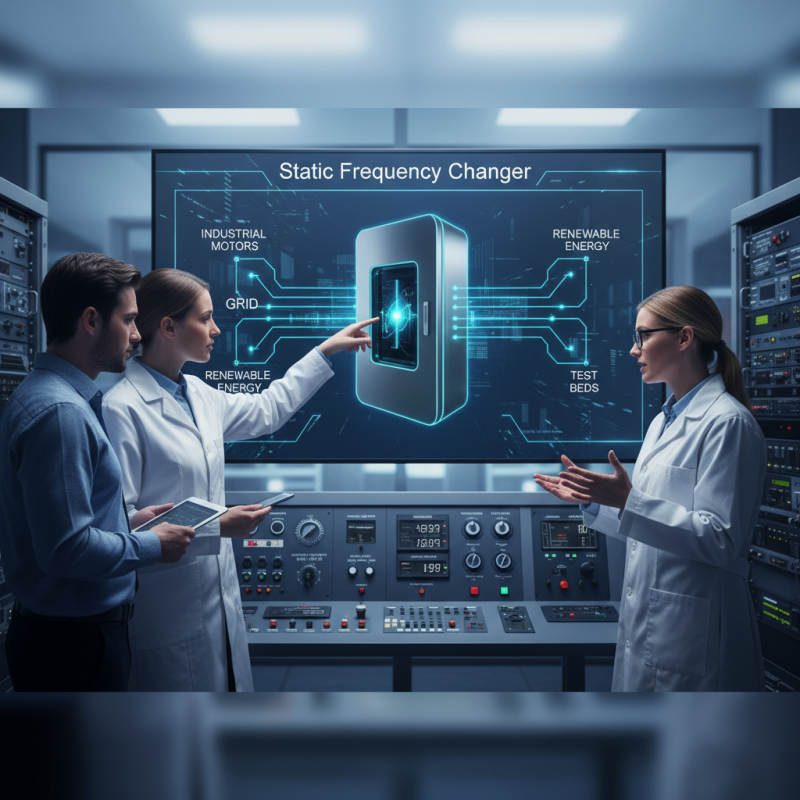
A Static Frequency Changer converts power frequencies from one form to another. This is vital for applications ranging from industrial motors to renewable energy systems. Understanding your requirements, such as load type and power rating, can streamline your choice.
Many users overlook key specifications. This oversight can lead to inefficiencies. Proper research is essential to avoid mistakes. Proper analysis of frequency, voltage, and current ratings will guide you to the best option. Ultimately, a well-informed choice can maximize your operational efficiency and reliability.
Understanding Static Frequency Changers and Their Applications
Static frequency changers (SFCs) are essential tools in diverse industries. They convert electrical power from one frequency to another, allowing equipment to operate efficiently. SFCs are used in transportation, manufacturing, and renewable energy sectors. Understanding their applications is crucial for choosing the right one for your needs.
In transportation, for example, SFCs support electric trains, ensuring they run smoothly on varying frequency networks. In manufacturing, these devices enhance motor performance, leading to energy savings. However, not all environments benefit from SFCs equally. Analyzing your specific use case is vital. For instance, fluctuations in load can affect performance.
Different types of SFCs offer varying levels of efficiency and cost. Some may suit high-power applications, while others work best for smaller systems. Learning about the power ratings, efficiency levels, and size constraints can improve decision-making. Always consider both advantages and limitations before investing. Understanding these factors can lead to better, more informed choices.
How to Choose the Best Static Frequency Changer for Your Needs?
| Specification | Details | Application |
| Input Voltage | 380V / 400V / 415V | Industrial Machinery |
| Output Voltage | 220V / 380V / 480V | Transforming Electrical Systems |
| Capacity | 5kVA to 3000kVA | Large Scale Industries |
| Frequency Range | 50Hz to 60Hz | Power Generation |
| Efficiency | Up to 98% | Energy Management |
| Control System | Microprocessor Controlled | Automation |
| Cooling Type | Air-Cooled / Water-Cooled | Robust Environments |
| Size | Compact to Large Units | Variety of Installations |
Key Factors to Consider When Selecting a Static Frequency Changer
Choosing the right static frequency changer (SFC) involves careful consideration of multiple factors. Power capacity is crucial. Ensure the SFC can handle your application's load. A unit with inadequate capacity can lead to overheating or damage. Additionally, consider voltage ratings. Select an SFC that matches the voltage required by your equipment to avoid compatibility issues.
Next, evaluate the intended application. The design and features of the SFC can vary significantly. Applications like industrial machinery might require robust models. On the other hand, consumer-grade applications may only need basic functionality. Don't overlook efficiency ratings either. Higher efficiency can result in significant energy savings over time.
Lastly, installation and maintenance considerations are essential. Ensure you have the necessary space and infrastructure to accommodate the SFC. Reflect on the maintenance requirements. Some models may need regular servicing, while others are more user-friendly. Balancing these aspects will lead to a more informed choice. Each factor must align with your operational goals and constraints for the best outcome.
Key Factors to Consider When Selecting a Static Frequency Changer
Comparing Different Types of Static Frequency Changers
When selecting a static frequency changer (SFC), understanding the different types is crucial. There are various SFC designs available, including rotary and static types. Rotary SFCs are often more robust for industrial applications, handling larger loads. A report from the International Energy Agency notes that rotary systems can achieve energy efficiencies of up to 95%. Meanwhile, static frequency changers are designed for precise control and are favored in telecommunications.
Static frequency changers typically come in two forms: PWM (Pulse Width Modulation) and diode rectifier configurations. PWM SFCs offer higher efficiency and reduced harmonic distortion. According to a study by the IEEE, PWM systems can provide electrical output quality improvements of around 15% compared to traditional setups. This is significant for sensitive applications. Conversely, diode rectifiers are simpler but may struggle with larger fluctuations in load.
Despite the advantages, both types of SFCs have their drawbacks. For instance, rotary systems can be bulky and less flexible, while static systems may not handle extreme load changes efficiently. Industrial users must consider these factors and their specific needs. Understanding these nuances can lead to a better-informed decision, ultimately enhancing operational performance.
Evaluating Power Ratings and Compatibility with Existing Systems
When choosing the best static frequency changer, consider power ratings carefully. The power rating must match your equipment's requirements. Underestimating power can lead to overheating. Overestimating may cause inefficiencies. Evaluate the exact needs of your systems to make the right choice.
Compatibility is crucial. An ideal frequency changer should seamlessly integrate with existing systems. Check voltage levels and frequency ranges. Mismatches here can lead to operational issues. It's wise to consult technical documentation or engineers for advice.
Tips: Always assess the load characteristics. Understand the starting current and running current. This will help in estimating the suitable device capacity.
Don't overlook efficiency ratings. An efficient static frequency changer saves energy and costs in the long run. You may think all models work the same, but they don’t. Take the time to research and ask for expert opinions.
Maintenance and Support Considerations for Your Chosen Device
When selecting a static frequency changer, maintenance and support should be at the forefront of your considerations. Regular maintenance is essential for optimal performance. Machines require occasional checks to ensure they are functioning correctly. Neglecting maintenance can lead to unexpected breakdowns, affecting productivity and efficiency.
Understanding the level of support offered by the manufacturer is crucial. Effective support can make a significant difference. A responsive customer service team can help troubleshoot issues quickly. This ensures minimal downtime and maintains operational flow. Check if they offer regular training sessions. Knowledgeable staff can better handle technical challenges.
Documentation is another area that needs attention. Clear manuals and troubleshooting guides are vital for effective use. A lack of comprehensive documentation can lead to confusion. Consider if the manufacturer provides online resources or community forums for assistance. This can enhance your understanding and ability to manage the equipment effectively. Taking these factors into account can lead to more informed and confident choices when selecting your static frequency changer.