How to Choose the Best Small Cement Mixer for Concrete?
Choosing the right small cement mixer for concrete can significantly impact your project’s efficiency. With numerous options available, finding a mixer that balances size, power, and functionality is crucial. A Small Cement Mixer Concrete is ideal for homeowners or small contractors who need portability without sacrificing performance.
Consider your project’s specific needs. If you primarily work on small-scale tasks, ease of use and transportability matter most. A lightweight design allows for easy maneuvering, especially in tight spaces. However, small mixers may have limitations in capacity and power. This trade-off is something to reflect on when making a purchase.
Quality and durability also play vital roles. Look for mixers made from robust materials that withstand consistent use. Research user reviews and expert opinions before deciding. Keep in mind that even reputable brands can have models that underperform. Being informed will help you select the best small cement mixer for concrete, enhancing your projects' success.
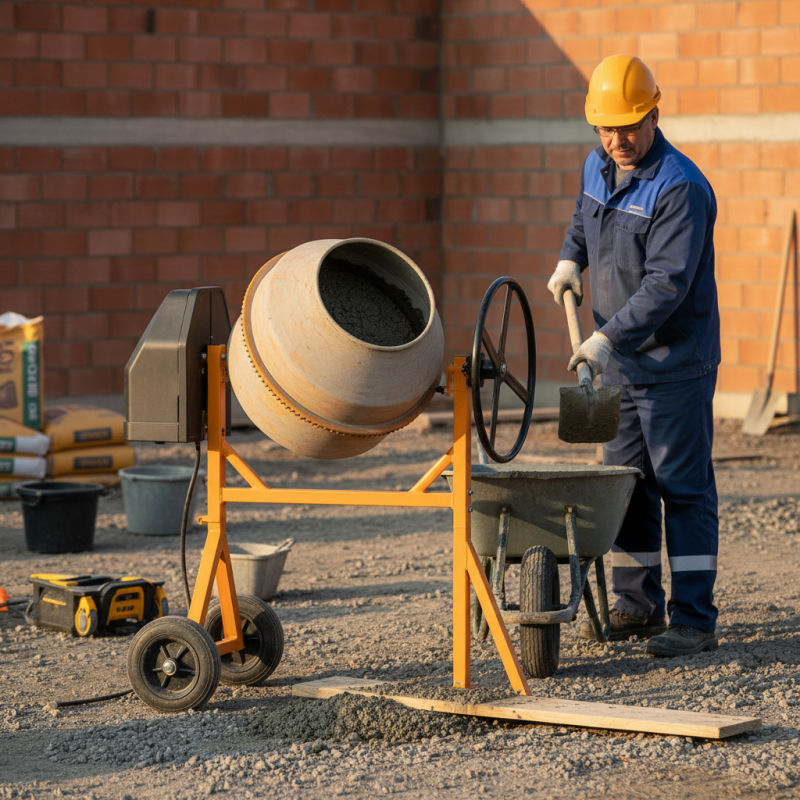
Factors to Consider When Choosing a Small Cement Mixer for Concrete
Choosing the right small cement mixer for concrete can significantly affect your project’s success. There are several factors to consider that can help ensure you make the best decision.
The mixer’s capacity is crucial. Smaller projects may require a 1/2 bag mixer, while larger tasks need more. Assess your typical project size to find a suitable model. Pay attention to the mixing mechanism. Paddle mixers offer great efficiency for thicker mixes, while drum mixers work well for more fluid types.
**Tips:** Always check weight and portability. A lighter mixer can be easier to handle, but ensure it doesn’t compromise stability.
Durability matters too. Look for mixers made with robust materials to withstand frequent use. Research user reviews before committing. Feedback from others can provide insights into potential challenges.
**Tips:** Don’t overlook maintenance. Regular checks can prevent breakdowns and prolong the mixer’s life. It's also wise to consider your budget. Cheap options may seem appealing, but they might not last. Balance cost with quality for the best outcome.
Types of Small Cement Mixers: Electric vs. Gasoline vs. Manual
When selecting a small cement mixer, it's crucial to consider the type that best fits your needs. Electric mixers are popular for their ease of use. They are lightweight, quiet, and require minimal maintenance. Just plug them in, and you're ready to mix. However, they might struggle with larger jobs or in areas without easy access to power sources.
Gasoline mixers, on the other hand, offer mobility and power. They possess the ability to tackle heavier materials and larger volumes of concrete. These mixers are ideal for outdoor projects. Yet, they can be noisy and may require more effort to maintain. Fumes can also be a concern in confined spaces. They might not be suitable for everyone.
Manual mixers are the most basic option. They rely on physical effort to combine the materials. While they are cost-effective, they can be labor-intensive and time-consuming. A person may find it tiring, especially for large batches. It’s important to weigh these factors to ensure the chosen mixer aligns with your project's scale and location. Each type presents its own set of challenges and benefits, necessitating careful consideration.
Key Specifications: Capacity, Drum Size, and Mixing Efficiency Explained
When selecting a small cement mixer, understanding its key specifications is essential. Capacity is a primary factor. A mixer with a higher capacity can handle larger batches. This is especially beneficial for extensive jobs, reducing the number of cycles required. However, larger mixers can be bulky and hard to maneuver.
Drum size also plays a crucial role in the efficiency of mixing. A larger drum provides better mixing, as more materials can be blended at once. But, if the drum is too big, it may be unwieldy for small projects. The mixing efficiency is significant, too. An efficient mixer combines ingredients smoothly, ensuring a consistent concrete mix. Look for models that promote a uniform rotation and effective mixing action.
Evaluating these specifications helps in making an informed choice. Balance is key—a mix between capacity, size, and efficiency can lead to improved project outcomes. A mismatch in any of these may result in frustration. Reflect on your specific needs and the types of projects you will undertake. This reflection aids in selecting a cement mixer that truly fits your requirements.
Industry Standards and Safety Features in Small Cement Mixers
When selecting a small cement mixer, industry standards and safety features are critical considerations. The American National Standards Institute (ANSI) mandates that mixers should have a noise level below 85 decibels. Prolonged exposure to higher noise levels can lead to hearing damage. A well-designed mixer will feature noise reduction technology to ensure safe operation.
Another important aspect is the safety features integrated into the machine. According to the Occupational Safety and Health Administration (OSHA), small cement mixers should have protective guards and mechanisms to prevent accidental start-ups. These features include safety locks and emergency stop buttons. In a survey, 30% of accidents involved mixers that lacked adequate safety precautions.
The weight of the mixer plays a role too. A mixer that is too light can tip over, posing hazards to users. The National Institute for Occupational Safety and Health (NIOSH) recommends a base weight that provides stability. Ensure your mixer has a low center of gravity. This can significantly reduce the risk of it tipping during operation. Always prioritize safety features when purchasing. They could be the difference in preventing accidents on site.
How to Choose the Best Small Cement Mixer for Concrete? - Industry Standards and Safety Features in Small Cement Mixers
| Feature | Standard | Description |
| Motor Power | 1.5 - 2.5 HP | Adequate power for mixing various concrete blends. |
| Drum Capacity | 1 - 2 cubic feet | Size suitable for small projects and tasks. |
| Mixing Speed | 25 - 30 RPM | Optimal speed for uniform concrete mixing. |
| Weight | 50 - 150 lbs | Lightweight for portability, but sturdy enough for stability. |
| Safety Features | Overload protection, emergency stop | Prevents misuse and enhances operator safety. |
| Material | Steel/Plastic | Durability and resistance to weather conditions. |
Maintenance Tips to Extend the Lifespan of Your Small Cement Mixer
Maintaining your small cement mixer can significantly extend its lifespan. Regular cleaning is essential to prevent cement buildup. After each use, empty the mixer completely. Use a steel brush and water to scrub off any residue. Pay extra attention to the blades and mixer drum. A little effort goes a long way in keeping your equipment in good shape.
Checking the oil levels and bearings is often overlooked. Regular oil changes can enhance the performance of the mixer. Lubricating the bearings helps reduce friction. Monitor for unusual sounds during operation. These sounds may indicate potential issues.
Finally, store your cement mixer properly. Keep it covered and in a dry area to avoid rust. If you notice cracks or wear, address them promptly. Ignoring small issues can lead to more significant problems later. Taking these steps will help ensure your cement mixer works effectively for years to come.
