How to Choose the Best Decorator Switches for Your Home?
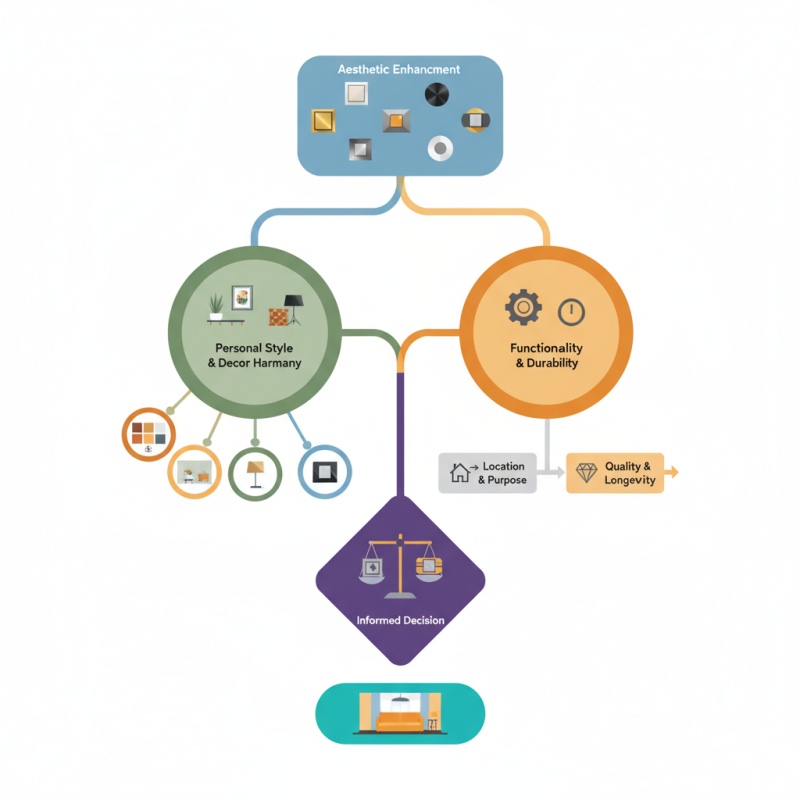
When it comes to enhancing the aesthetic of your home, choosing the right Decorator Switches is crucial. These small yet significant elements can reflect your personal style while ensuring functionality. Decorator switches come in various designs, colors, and finishes, allowing you to align them with your overall decor. They can transform a plain room into something visually appealing.
Understanding the different types of decorator switches on the market can help you make a more informed decision. Quality and durability are important. You want products that not only look good but will last for years. However, many options can leave you feeling overwhelmed. It’s essential to assess your needs, such as the switch’s location and purpose.
Incorporating decorator switches into your home is about making a statement. The choices can be daunting, but they should ultimately reflect your lifestyle and preferences. No product is perfect, and sometimes what seems stylish may not work practically. Evaluating function alongside form can lead to more satisfying choices.
Understanding Decorator Switches: Features and Benefits
Decorator switches enhance both functionality and aesthetics in your home. These switches have a slim profile and come in various colors. This design allows them to blend smoothly with any interior decor. They are available in multiple configurations, including single-pole, three-way, and dimmer options. This versatility provides homeowners with choices tailored to their specific needs.
One key feature of decorator switches is their ease of installation. Many homeowners find it straightforward to replace outdated switches themselves. This is appealing for those wanting to save on labor costs. However, it's crucial to ensure that you follow safety procedures during installation. Lack of attention could lead to mistakes, resulting in malfunctioning switches. Additionally, the materials used in these switches are often high-quality, enhancing durability. A good switch should last for years without needing replacement.
Understanding the benefits helps in making informed choices. These switches can increase the value of your home. They are not just practical; they also contribute to a well-coordinated look. Nevertheless, it's worth reflecting on the long-term environmental impact. Electric components, though essential, can contribute to electronic waste. Being mindful of your selections can lead to more sustainable home improvements.
Choosing the Best Decorator Switches
Types of Decorator Switches Available for Home Use
When choosing decorator switches for your home, consider the various types available. One common type is the single-pole switch. This switch controls one light from a single location. It's simple and easy to use, but it may not suit larger rooms with multiple entry points.
Another option is the three-way switch. This allows you to control one light from two different locations. It’s perfect for hallways or large spaces. However, installation can be tricky and may require extra wiring. If you’re comfortable with basic electrical work, it can be a useful addition.
For more modern needs, look into dimmer switches. They let you adjust the brightness according to your mood. These can enhance the ambiance in a living room or dining area. Yet, dimmers sometimes have compatibility issues with LED bulbs. It’s important to check specifications carefully. Each type of switch has its advantages and drawbacks. Balancing functionality with style is key in making the right choice.
Factors to Consider When Choosing Decorator Switches
Choosing the right decorator switches for your home involves several key factors. Aesthetic appeal is crucial. Select a design that blends with your interior style. A minimalist home may benefit from sleek, simple switches. In contrast, a vintage or eclectic decor could call for more ornate designs. The right finish can enhance the overall look.
Functionality is equally essential. Consider the location of the switches. High-traffic areas may require durable options that can withstand frequent use. For example, in kids' rooms or kitchens, robust switches are better suited. Think about features too. Dimmer switches can create ambiance in living spaces. Meanwhile, smart switches can add convenience to your daily routine.
Safety should never be overlooked. Look for switches that meet local electrical codes. It's wise to choose options with safety certifications. Over time, replace any damaged or worn switches to prevent hazards. Reflect on your needs and preferences. Balancing aesthetics and practicality can lead to a more harmonious home environment.
Installation and Compatibility with Existing Wiring
When selecting decorator switches for your home, installation and compatibility with existing wiring are crucial. Understanding your current electrical setup helps ensure a smooth installation process. Most homes have standard wiring, but variations exist. Some switches operate with different voltage levels. It's essential to know your system's specifications before making a purchase.
Take time to analyze your current switches. Are they single-pole, three-way, or dimmer switches? Choosing a compatible switch prevents unnecessary rewiring. An incompatible switch can lead to frustration and extra costs. If you're unsure, consulting with a licensed electrician is a wise decision. They can evaluate your wiring and recommend the best options.
Don’t overlook the importance of safety during installation. Even when the process seems simple, it's vital to turn off the power supply. Use a voltage tester to confirm the absence of electricity. Improper installation can create hazards, increasing the risk of electrical fires or malfunctions. A little caution goes a long way in ensuring your home's electrical safety.
Maintenance Tips for Long-lasting Decorator Switches
Maintaining your decorator switches properly is essential for their longevity and performance. Dust and grime can accumulate over time, affecting their appearance and functionality. Regularly wipe the switches with a damp cloth to keep them clean. Avoid using harsh chemicals that might damage the finish. Simple maintenance can make a noticeable difference.
Another important aspect is checking for loose connections. Periodically ensure all screws are tight. Loose connections can cause flickering lights or even pose safety hazards. If you're uncertain about doing this yourself, it’s better to consult a professional. Remember, safety first!
It’s a good idea to keep an eye out for any signs of wear and tear. If a switch feels hot to the touch, this could indicate deeper issues. Don’t ignore such warnings. Taking prompt action can save you from costly repairs down the line. Cultivating these practices can prolong the life of your switches and enhance the safety of your home.
