How to Choose the Best Plastic Cup Machine for Your Business?
In the dynamic world of food packaging, selecting the right Plastic Cup Machine is crucial for any business. Experts like John Miller, a seasoned industry consultant, emphasize, "The right machine is a game-changer for efficiency and quality." This statement resonates deeply with business owners who face the daunting task of balancing cost, quality, and productivity.
Many factors influence the choice of a Plastic Cup Machine. Quality assurance, production speed, and machine durability are paramount. Each business has unique needs, and the perfect machine should align with those tailored requirements. Consider your production capacity. A small coffee shop may not need the same output as a large manufacturing plant.
It’s easy to feel overwhelmed by the options available in the market. Some machines promise high output but fail to deliver on quality. Others may boast advanced technology, but come with hidden costs. Reflecting on these aspects can lead to better decision-making. The right Plastic Cup Machine should enhance your product line, ensuring customer satisfaction every time.
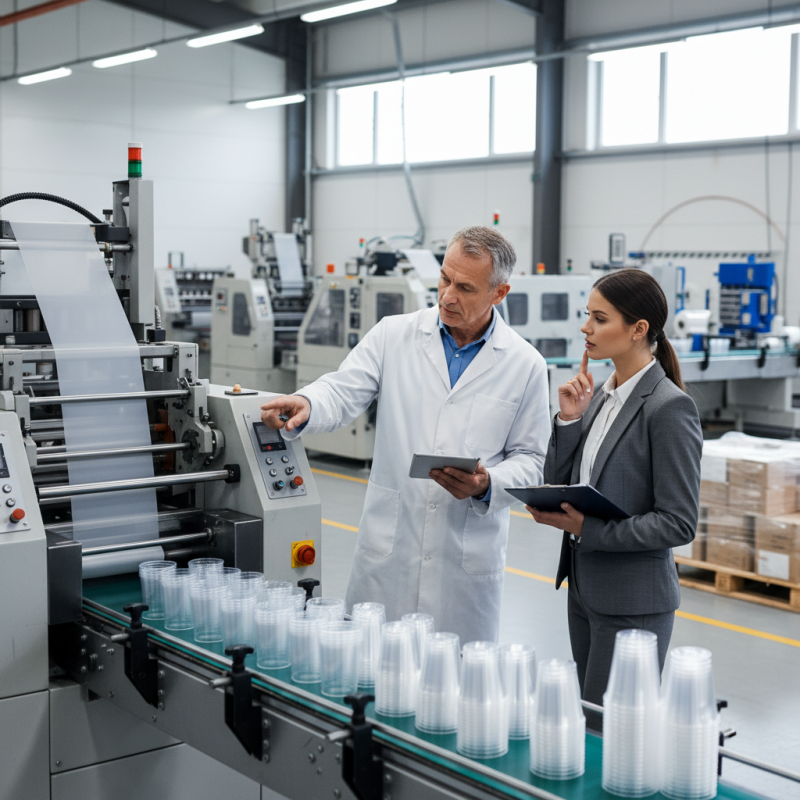
Factors to Consider When Selecting a Plastic Cup Machine
Choosing the right plastic cup machine is critical for your business. There are several factors to evaluate before making your decision. Start with production capacity. Consider how many cups you need to produce daily. If your demand is high, opt for a machine with a larger output. However, remember that high-speed machines can be more complex to operate.
Next, assess the machine's versatility. Some machines can produce various cup sizes and designs. This flexibility can be crucial as market demands change. But don't overlook the learning curve associated with versatile machines. Employees may need training to ensure efficiency.
Another key factor is energy consumption. A machine that uses less power can lead to lower operational costs. Review specifications and consider the long-term expense. Also, factor in the maintenance requirements. Machines that are harder to service can lead to downtime. Keep these points in mind. The right choice will not only meet current needs but also adapt to future growth.
Types of Plastic Cup Machines and Their Applications
When selecting a plastic cup machine, understanding the types available is crucial. Common machines include extrusion, thermoforming, and injection molding. Each serves different needs in production. For instance, extrusion machines are efficient for large-scale production of simple cup designs. They can produce thousands of cups per hour, addressing high-demand scenarios effectively. Reports indicate that extrusion technology accounts for over 35% of the plastic processing market.
Thermoforming machines are ideal for creating complex designs. They use heat to mold plastic sheets into cup shapes. This method is often favored for customizable and intricate designs. According to industry analysis, thermoforming can reduce material waste by 20%, making it an eco-friendly option. However, it requires more upfront investment and space, which might not suit all businesses.
Injection molding is another option. It offers precision and flexibility in manufacturing. This technology is perfect for producing a wide range of cup sizes and styles. It is often recommended for businesses focusing on specialized products. However, the initial costs are higher, alongside longer setup times. This could lead to inefficiencies if the production volume is not aligned with the machine's potential. Ultimately, the choice of machine should align with specific business needs and production goals.
Key Features to Look for in a Plastic Cup Machine
When selecting a plastic cup machine, certain key features stand out. Production speed is crucial. A faster machine can boost your output, meeting high demand during peak times. Look for machines that can produce a large quantity per hour. This makes a significant difference in efficiency.
Another important aspect is the machine's versatility. Can it produce various cup sizes? Flexibility can help adapt to market trends. Simple adjustments enhance production without extensive downtime. However, it's essential to weigh versatility against complexity. Sometimes, simpler machines offer greater reliability for specific tasks.
Consider energy efficiency as well. An energy-efficient machine reduces operational costs. Look for models that consume less power while maintaining performance. This is good for the environment and your budget.
Here’s a tip: Always examine user reviews and expert opinions. They often highlight potential issues. Testing the machine yourself, if possible, can provide insight into its capabilities. Don’t rush your decision; the right machine can elevate your business.
Budgeting for Your Plastic Cup Machine Investment
When budgeting for a plastic cup machine, understanding your financial limits is crucial. Industry reports indicate that the initial investment can range from $50,000 to over $500,000. This wide range depends on the machine's capabilities, production volume, and technology. For small to medium enterprises, a moderate budget of around $150,000 could yield a versatile machine that balances quality and output.
Operational costs also play a significant role. Maintenance, employee training, and raw materials contribute ongoing expenses. Research from industry experts shows that maintenance can represent up to 10% of your initial investment annually. Additionally, consider potential fluctuations in material costs. The recent trends indicate a 15% increase in raw plastic prices over the past year. This volatility demands careful planning to avoid financial strain.
Moreover, think about the return on investment (ROI). Projects can take 1-3 years to break even. Analyze your production expectations realistically. If output is overestimated, it could lead to significant losses. Support from financial consultants and industry reports can enhance your decision-making. Reliable data sources indicate that proper budgeting can increase the success rate by 25%. This implies that having a detailed financial plan is not just beneficial; it is essential for sustainable growth.
Maintenance and Support Options for Plastic Cup Machines
When selecting a plastic cup machine, maintenance and support are crucial factors. Regular upkeep ensures smooth operation and minimizes downtime. According to industry reports, 30% of production issues arise from inadequate maintenance. Proper training on maintenance can prevent many of these problems.
Support options can vary widely. Some manufacturers offer comprehensive training programs, which can be an asset. According to a survey by Plastic Machinery Group, companies that invest in ongoing training reduce malfunction rates by 25%. Consider whether the manufacturer’s support team is easily accessible. Reliable response times are essential for quick problem resolution.
Keep in mind that not all support options are created equal. Some businesses report dissatisfaction with remote support services. Training for your staff on daily machine upkeep is often overlooked. While some employees may handle daily maintenance, others might struggle with complex issues. Investing in robust support and training programs can significantly improve machine longevity and overall efficiency.
