How to Choose the Best Perforated Mesh Machine for Your Needs?
Choosing the right Perforated Mesh Machine can significantly impact your production efficiency and product quality. According to industry reports, the global perforated metal market is projected to reach $3.3 billion by 2026, highlighting a growing demand for innovative machinery. A well-selected machine not only meets your current needs but also adapts to future challenges.
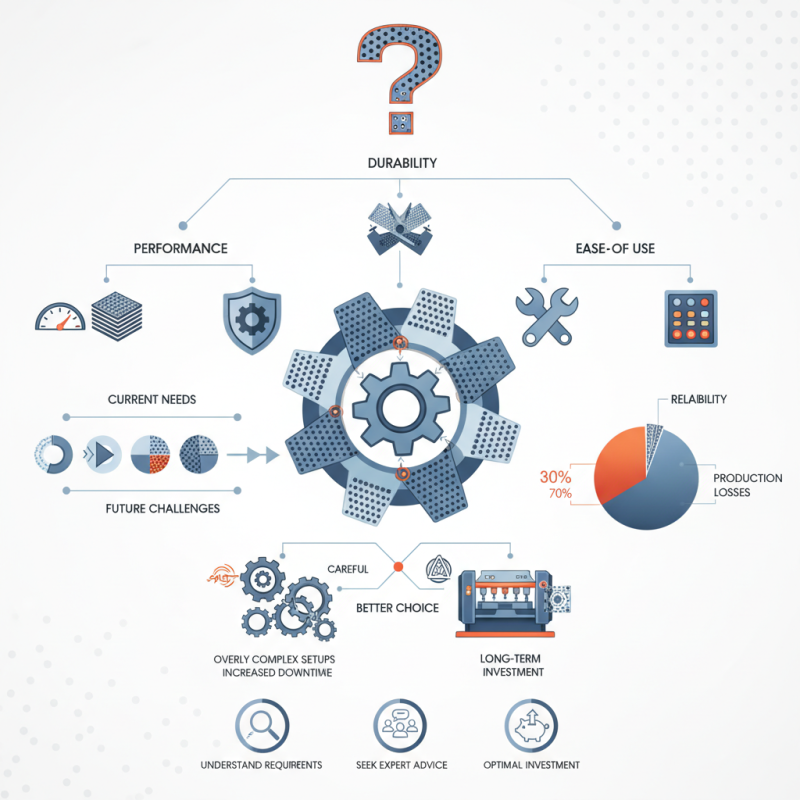
When evaluating different models, consider their performance, durability, and ease of use. Some machines may promise high-output rates but fall short in reliability. Data from manufacturing studies indicate that 30% of production losses stem from inadequate machinery. Hence, reliability is as crucial as speed. Take time to compare features, but also be wary of overly complex setups that can lead to increased downtime.
Remember, investing in a Perforated Mesh Machine is a long-term decision. A thorough understanding of your specific requirements will guide you toward a better choice. Avoid rushing the process, as the wrong selection can lead to costly consequences. Reflect on previous experiences and seek expert advice to ensure the best possible investment.
Understanding Perforated Mesh Machines: Key Features and Functions
When selecting a perforated mesh machine, understanding its key features is crucial. A good machine should offer adjustable hole sizes and spacing. This flexibility allows users to create mesh tailored to specific applications. Larger holes may suit construction, while smaller ones fit electronics. Look for machines with user-friendly controls for efficiency. The ease of operation can significantly save time on production.
Another essential aspect involves the materials used in the machine. Sturdy construction ensures longevity and consistent performance. Machines made from high-quality steel demonstrate reliability. Regular maintenance is still necessary. It is helpful to review user manuals before pressing forward with operations. This helps prevent costly mistakes and ensures proper use.
Consider the machine's speed and output capacity. A high-speed model may be tempting, but it might reduce precision. Balancing speed and accuracy is key. Some machines struggle with complex patterns, leading to flaws. Reflecting on past experiences can guide future choices. Look for a machine that aligns with your specific production needs and past lessons learned.
Identifying Your Specific Needs for Perforated Mesh Production
When selecting a perforated mesh machine, pinpointing your specific needs is crucial. Begin by assessing the material types you plan to process. Different materials require distinct settings and machinery. For instance, metal, plastic, and paper each have unique properties. Understanding these differences helps in choosing an appropriate machine.
Next, consider the scale of production. Are you producing locally or aiming for larger markets? If your production runs are small, a versatile, compact machine might suffice. However, larger operations may require high-capacity models. Think about your workflow too. The machine should seamlessly integrate with your existing equipment.
Lastly, reflect on the machine's adaptability. Technology evolves, and your production needs may change. Machines that can adjust to various needs offer longevity. Evaluate how user-friendly the control systems are. Complex interfaces can lead to errors. Aim for a machine that balances technology with ease of use, even if it means sacrificing some advanced features.
Comparing Different Types of Perforated Mesh Machines Available
When selecting a perforated mesh machine, understanding the types available is crucial. Generally, there are three main types: mechanical, hydraulic, and CNC machines. Mechanical perforated mesh machines are common for their straightforward operation. They handle medium thickness materials effectively. Hydraulic models, known for their power, are ideal for thicker sheets. They deliver high precision but are more expensive. CNC machines offer advanced automation and flexibility. They allow for intricate designs but require skilled operators.
According to a 2022 industry report by MarketsandMarkets, the perforated metal market is projected to grow significantly, highlighting increased construction and manufacturing activities. This rise demands more specialized machines. Different perforation patterns also impact machine choice. Round holes are typical, while square and slotted options are gaining popularity. Each pattern affects airflow and aesthetics in final products.
Choosing the right machine isn’t straightforward. Budget constraints often limit options. Maintenance costs can also be overlooked in initial evaluations. Users may need to consider how much workload they anticipate. High-volume production might justify the investment in a more advanced machine, while low-scale production can work well with simpler models. Rethinking initial choices can lead to more suitable outcomes in operational efficiency.
Evaluating Manufacturers and Suppliers for Quality Assurance
When evaluating manufacturers and suppliers for perforated mesh machines, quality assurance is key. Look for companies with a strong reputation in the industry. Check online reviews and testimonials. A good supplier should provide references. Speak to previous clients to gauge their experience. This speaks volumes about reliability.
Consider the materials used in production. High-quality raw materials result in durable machines. Ask about the manufacturing process. Transparent suppliers often share details about their quality control measures. You want someone who prioritizes consistency. Also, evaluate their after-sales support. A responsive service team is invaluable if issues arise later.
Don’t overlook the importance of certifications. Reliable manufacturers often have relevant industry certifications. This indicates adherence to quality standards. However, be mindful of companies that only focus on certifications without practical experience. Experience in the field can sometimes outweigh paper qualifications. Trust your instincts, and prioritize what aligns with your specific needs.
Budgeting and Cost Considerations for Purchasing a Machine
When selecting a perforated mesh machine, understanding the costs involved is crucial. Machines vary significantly in price based on features and capabilities. A basic model may start around a few thousand dollars. However, advanced models with added functions can cost significantly more. Knowing your budget will help narrow down your options effectively.
Prioritize essential features that align with your production needs. Are you focused on volume or precision? Costs can escalate quickly if you opt for unnecessary features. Some machines offer advanced automation and programming capabilities, but these often come with higher costs. It’s vital to assess whether these features will contribute to your productivity or simply inflate your expenses.
Additionally, consider ongoing costs. Maintenance, repairs, and operational expenses can add up over time. A less expensive machine may end up costing more in the long run if it requires frequent servicing. Think about these factors carefully. Evaluate your choices and consult experts. They can provide insights based on experience, helping you to make a more informed decision. Balancing initial costs with long-term value is key to making the right choice.
Cost Considerations for Perforated Mesh Machines
