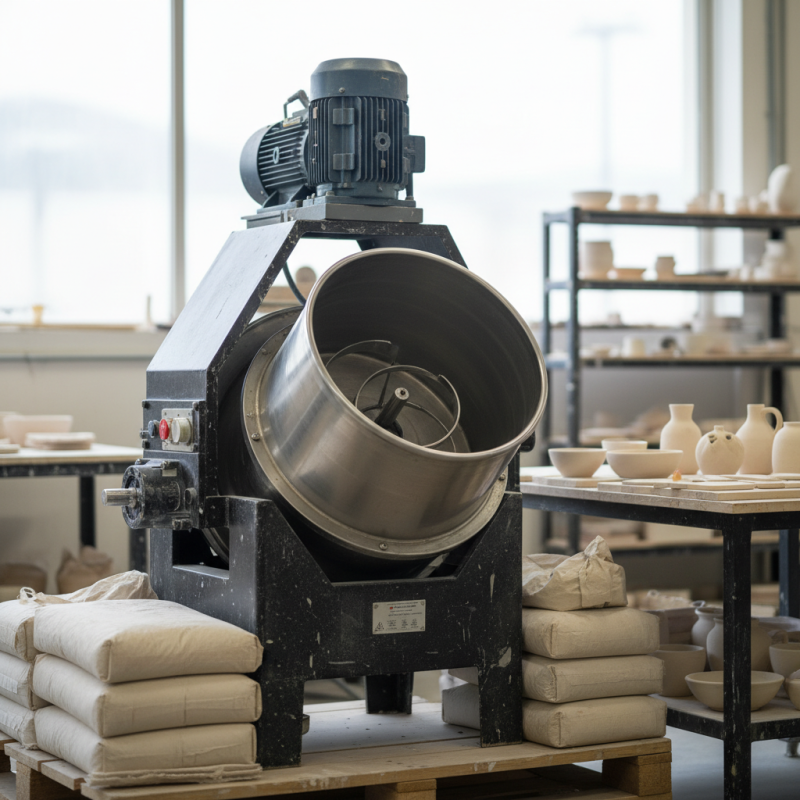
How to Choose the Best Ceramic Mixer Machine for Your Needs?
Choosing the right ceramic mixer machine is crucial for achieving excellent results in your projects. With a variety of options available, selecting one that suits your specific needs can be challenging. It’s easy to feel overwhelmed when faced with numerous features, sizes, and brands.
Understanding your requirements is key. Do you need a heavy-duty mixer for large batches or a compact one for smaller projects? Consider the materials you'll be mixing. Different machines handle various types of ceramics, and not all mixers are built the same.
Not every decision will be perfect. Some features may seem attractive but may not be necessary. You might find yourself drawn to a brand without fully understanding your needs. It’s important to reflect on your priorities. Will you use this Ceramic Mixer Machine frequently? Make sure to choose wisely, as this decision impacts your work quality significantly.
Understanding Your Mixing Needs for Ceramic Applications
When selecting a ceramic mixer machine, it's vital to understand your specific mixing needs. Different ceramic applications require unique properties. For instance, the consistency of your clay will influence the type of mixer you choose. A more fluid consistency may need a high-speed mixer, while firmer mixtures might benefit from a different design.
Think about your production scale as well. Are you a hobbyist or running a larger operation? Small studios might opt for portable options, while factories may need robust, industrial models. Consider the capacity of the machine. Oversized mixers can waste energy, while smaller mixers can lead to inefficiencies.
Also, reflect on the features that matter to you. A machine with adjustable speeds offers flexibility. Do you need one with noise-reducing components? Or perhaps something that’s easy to clean? The right mixer will not only meet your immediate needs but also adapt as you grow. Pay attention to your workshop's layout as well. A compact size could save valuable space. Each decision impacts your ceramic creation process significantly.
Key Features to Consider in a Ceramic Mixer Machine
When choosing a ceramic mixer machine, consider several key features. The type of materials you work with will affect your choice. Some mixers handle dense clay better than others. Power is crucial too. A more powerful machine can mix tougher materials more efficiently.
Capacity matters as well. Smaller projects may need a compact mixer. However, larger batches demand more capacity. Look for adjustable settings. They offer more flexibility in mixing different materials and recipes. Many machines come with variable speed options, which provide control over the mixing process.
Tips: Always check for durability. A mixer made from quality materials will last longer. Look for user reviews that highlight reliability. Cleaning should also be easy to maintain hygiene. Sometimes, a machine is not as user-friendly as advertised. Evaluate how easy it actually is to set up and clean.
How to Choose the Best Ceramic Mixer Machine for Your Needs? - Key Features to Consider in a Ceramic Mixer Machine
| Feature | Description | Importance |
| Mixing Capacity | The maximum volume of materials that the mixer can handle at once. | High |
| Motor Power | The power of the motor that drives the mixer, affecting mixing efficiency. | High |
| Speed Settings | Options for different mixing speeds to customize the mixing process. | Medium |
| Build Quality | Durability of materials used in the construction of the mixer. | High |
| Ease of Cleaning | How easily the mixer can be disassembled and cleaned after use. | Medium |
| Portability | Weight and design features that allow for easy transport of the mixer. | Low |
| Price | Cost of the mixer in relation to its features and capabilities. | Medium |
Types of Ceramic Mixer Machines Available in the Market
When exploring ceramic mixer machines, understanding the types available is essential. There are different types designed for various tasks. For small-scale operations, a tabletop mixer might be sufficient. These mixers are compact and easy to use. They fit easily into small workshops.
On the other hand, if your needs are more extensive, consider larger machines. These often have higher capacities and more advanced features. They can handle bigger batches of materials. However, they require more space and may need more maintenance. It's also vital to think about power requirements, especially with high-capacity models.
Don’t forget about the mixing technology used. Some machines employ paddle mixing, while others utilize planetary designs. Each has its pros and cons. Understanding these can help you make a better choice. Trying out different types can lead to unexpected insights. You might find that what you thought was perfect does not meet your expectations. Adjust your choices based on hands-on experience; it can be revealing.
Evaluating the Quality and Durability of Mixer Machines
When evaluating the quality of ceramic mixer machines, focus on the materials used in construction. High-quality mixers often feature sturdy metal bodies. Look for features that indicate durability, such as heavy-duty gears and reinforced mixing bowls. A robust design can withstand the rigorous demands of daily use.
Consider the longevity of the mixer components. Efficient machines have reliable motors that can handle various mixing tasks. Check for reviews or user feedback on performance over time. Some machines may seem excellent initially but may struggle under prolonged use. Take time to compare customer experiences to avoid purchasing a machine that disappoints after a few months.
Be mindful of the warranty and customer service. A solid warranty suggests confidence in the product's durability. However, not all warranties cover every issue. Some customers encounter difficulties with their warranty claims. Reflect on these aspects to ensure you choose wisely. Balancing quality with practical expectations is key in your decision-making process.
Comparison of Ceramic Mixer Machine Durability and Quality
Budgeting and Cost Considerations for Your Mixer Purchase
When budgeting for a ceramic mixer machine, several factors must be considered. The price range for these machines can vary significantly, often spanning from $300 to over $5,000. A report from the Ceramic Industry indicates that mid-range mixers generally offer durable performance and effective mixing capabilities. This makes them appealing for small to medium-sized workshops aiming to balance cost and quality.
Operational costs also play a crucial role. Energy efficiency is a key consideration. Some mixers consume up to 30% less energy than their counterparts. A little research can reveal models that save both energy and money over time. Moreover, maintenance expenses should not be overlooked. Investing in a slightly pricier model may reduce long-term repair costs. While immediate expenses can be low, long-term affordability should guide choices.
Quality should not be sacrificed for cost. Some lower-priced mixers lack the necessary features for high-quality results. They may fail under heavy use. Assessing how often the machine will be used can help determine your needs. A machine that fits your budget but does not meet your production standards may lead to frustration. Testing different models in stores can provide valuable insight into what suits your specific requirements best.