Why Are Butane Cans Essential for Your Outdoor Adventures?
When planning outdoor adventures, preparation is key. Butane Cans have become indispensable for campers, hikers, and outdoor enthusiasts. According to industry reports, 70% of campers rely on portable fuel for cooking and heating. Butane cans power portable stoves, allowing for quick meal prep and warmth during chilly nights. This is essential for maintaining energy levels during rigorous activities.
The lightweight nature of butane cans makes them easy to carry. A standard canister weighs approximately 8 ounces, fitting seamlessly into any backpack. However, users must ensure proper storage and handling to avoid safety hazards. Lack of awareness about pressure changes can lead to accidents. Some users may overlook this, so education and caution are necessary.
Additionally, sustainability concerns arise with the use of butane cans. While they are convenient, their environmental impact cannot be ignored. Many outdoor enthusiasts advocate for refillable options to reduce waste. Striking a balance between convenience and environmental responsibility remains a topic of discussion. Understanding these nuances is vital for responsible outdoor practices.
Importance of Butane Cans in Outdoor Cooking
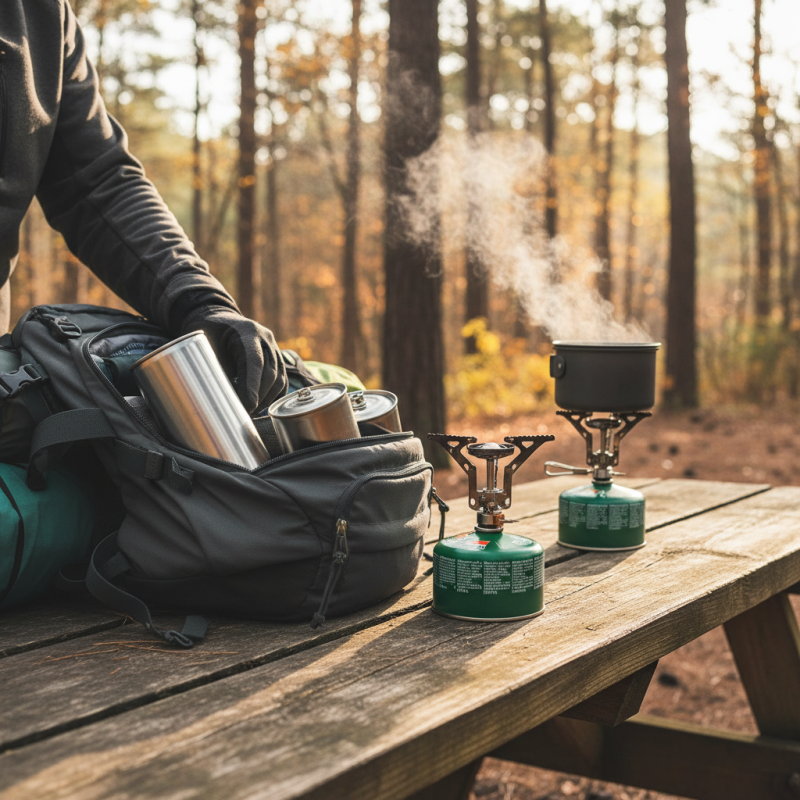
When it comes to outdoor cooking, butane cans are invaluable. They provide a portable and efficient fuel source for camp stoves and other cooking devices. Their compact size makes them easy to pack, fitting snugly into backpacks. Additionally, butane burns cleanly, producing no soot or ash. This is crucial when you want to keep your cooking area clean in nature.
Using butane canisters involves some risks. They can leak if not handled properly, leading to potential fire hazards. Storing them in extreme temperatures is also a concern. It's important to keep them cool and out of direct sunlight. Awareness of these risks will make your outdoor cooking experience safer and more enjoyable.
Outdoor enthusiasts know that food tastes better after a long hike. Imagine sitting around a campfire, cooking a warm meal. The aroma fills the air, heightening the moment. Butane cans enable this adventure, allowing you to prepare delicious meals wherever you roam. They enhance the entire camping experience, fostering camaraderie and joy.
Why Are Butane Cans Essential for Your Outdoor Adventures? - Importance of Butane Cans in Outdoor Cooking
| Feature | Description | Benefits |
| Portability | Lightweight and easy to carry canisters | Ideal for hiking, camping, and backpacking |
| Efficient Fuel Source | High energy content per volume | Quick cooking times save fuel and time |
| Ease of Use | Simple operation with compatible stoves | User-friendly for beginners and experts alike |
| Safety Features | Pressure safety valves and stability mechanisms | Reduces the risk of accidents while cooking outdoors |
| Versatility | Compatible with various cooking appliances | Suitable for boiling, frying, and more |
Types of Butane Cans Available for Adventure Use
When preparing for outdoor adventures, choosing the right butane can is crucial. There are several types of butane cans available, each designed for specific needs. Standard butane canisters are light and compact. They are commonly used for backpacking and camping. If you prioritize weight, opt for these.
Propane-butane blends are a versatile option. They work well in lower temperatures. This makes them suitable for winter hiking. Their performance is reliable, even in challenging weather.
Tips: Always check your canister for compatibility with your stove. Some stoves only work with specific types. It’s wise to have a backup canister, especially for longer trips.
Disposable cans are another option. They are easy to use and widely available. However, consider the environmental impact. Refillable canisters may be a better choice for frequent adventurers.
Remember, not every canister suits every adventure. Factors like altitude and temperature affect performance. Test your gear before relying on it in the field. Each type of can has its strengths and weaknesses. Understanding them helps you choose wisely.
Safety Precautions When Using Butane Cans Outdoors
When you take a butane can outdoors, safety should be your priority. Always check for leaks before use. A quick sniff can indicate a problem. If you smell gas, stop and assess the situation. Never ignite a burner near potential leaks. This small precaution can prevent accidents and injuries.
When storing butane cans, keep them upright and away from direct sunlight. High temperatures can increase pressure inside the can. This could lead to a rupture or explosion. Use a dedicated bag that is insulated. Avoid hot surfaces and sharp edges to protect the can from damage.
It's essential to have a fire extinguisher nearby when using butane. Accidents happen, even with precautions in place. You may also want to keep a first aid kit accessible. Burns or cuts aren't uncommon during outdoor cooking. Being prepared can make a significant difference. Trust your instincts and always stay aware of your surroundings.
Tips for Storing and Handling Butane Cans
When heading outdoors, butane cans are vital for cooking and heating. Proper storage and handling of these cans ensure safety and efficiency. Here are some tips to consider.
Keep butane cans away from extreme temperatures. Store them in a cool, dry place, ideally below 25°C. Exposure to heat can increase pressure inside the can, leading to potential leaks. Use a container or padded bag to prevent physical damage. Remember, a simple dent can compromise the can's integrity.
Always check the expiry date before use. Old butane cans may not perform well, leading to frustrating cooking experiences. If you notice rust or bulges, it’s best to dispose of them safely. After use, allow the can to cool before storing it. It’s easy to forget this, but it can prevent accidents later.
Practice caution while handling butane cans. Avoid using them in enclosed spaces. Even a small leak can create hazardous conditions. When replacing an empty can, make sure the stove is turned off. It’s a common oversight that can lead to dangerous situations. So, stay alert and prioritize safety during your adventures.
Environmental Considerations of Butane Can Usage
Butane cans are widely used for cooking and heating during outdoor activities. However, their environmental impact is significant. According to the Environmental Protection Agency (EPA), around 60 million butane cans are sold annually in the U.S. alone. This contributes to plastic waste and greenhouse gas emissions.
A study by the International Energy Agency notes that butane combustion releases carbon dioxide and can affect air quality. While butane itself is considered cleaner than other fossil fuels, proper disposal is crucial. Many cans are discarded improperly, ending up in landfills or oceans. This can harm wildlife and ecosystems.
Tips: Consider using refillable canisters. This reduces waste and lowers your carbon footprint. Always recycle your used cans. Look for local programs that accept them for proper recycling. When camping, use a pot or pan that maximizes heat efficiency. This helps minimize fuel usage and limits environmental impact.
Taking these steps can help mitigate the environmental effects of using butane cans. Being mindful of your usage is vital, and we all have a role in protecting our outdoor spaces.
Environmental Considerations of Butane Can Usage
