What Are Acid Storage Cabinets?
Acid Storage Cabinets are purpose-built enclosures for keeping corrosive chemicals in a controlled, clearly defined space. Their value is practical: compatible interior surfaces, secure doors, and suitable spill containment can reduce exposure risks and help protect nearby equipment. A cabinet is not a substitute for training or a chemical hygiene plan. The right choice depends on the acids stored, container sizes, room conditions, and how often staff access them.
The scale of workplace risk deserves attention. The U.S. Bureau of Labor Statistics reported 2.6 million nonfatal workplace injuries and illnesses in private industry for 2023; that figure covers many hazards, not acid-storage incidents alone. OSHA’s laboratory standard, 29 CFR 1910.1450, also calls for employers to establish chemical hygiene plans where it applies. These sources offer useful context, but neither makes every cabinet suitable for every acid. Compatibility matters. So does daily practice.
Dr. James A. Kaufman, founder of the Laboratory Safety Institute, has said, “Safety is not an intellectual exercise to keep us in the office; it is a matter of life and death.” That warning fits chemical storage, where a small leak can damage labels, shelves, or flooring before anyone notices. A thoughtful cabinet specification begins with the chemical inventory and manufacturer guidance, not appearance alone. There is no perfect cabinet. Selection still requires judgment, periodic checks, and honest review of how people actually use the space.
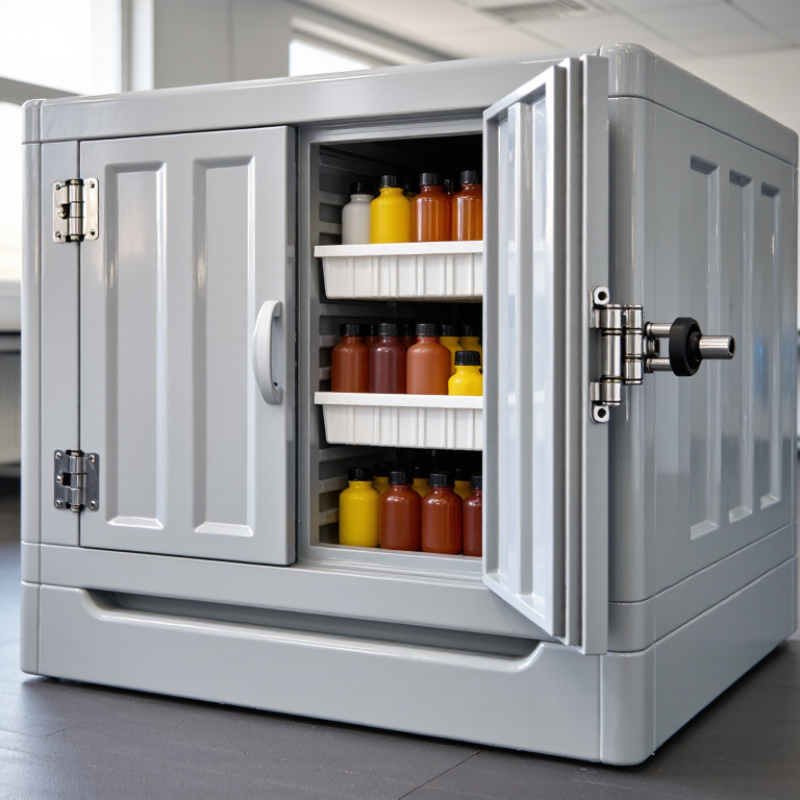
Definition and Purpose of Acid Storage Cabinets
An acid storage cabinet is an enclosure designed to hold containers of corrosive acids in a controlled, organized location. Its materials and interior finish should be compatible with the specific chemicals stored. Some cabinets use corrosion-resistant coatings; others use plastic construction. The right choice depends on the acid, its concentration, and the container size. One material does not suit every acid.
The cabinet’s purpose is to reduce the chance that a leak or spill reaches nearby work areas. Many models include shelves and a built-in or removable tray to catch small drips. Keep containers closed, upright, and clearly identified, and separate acids from chemicals that could react with them. Check the product’s safety data sheet and the cabinet manufacturer’s guidance before storing anything. Small details matter.
A cabinet is not a substitute for safe handling, ventilation, or spill procedures, and it may not provide fire protection. Even a sturdy-looking cabinet can be unsuitable if its liner, seams, or tray are incompatible with the stored acid. Regularly inspect for corrosion, residue, damaged containers, and crowded shelves.
Main Components and Construction Materials
What Are Acid Storage Cabinets?
Main Components and Construction Materials
An acid storage cabinet is a corrosion-resistant enclosure for keeping compatible containers organized and contained. Its key parts include a sturdy body, chemical-resistant shelves, a raised spill sump, doors, and ventilation ports. Polypropylene and high-density polyethylene are common choices because they resist many acids. Some cabinets use coated metal, but damaged coatings can expose the underlying material. No single construction works for every acid.
Material choice depends on the chemical, its concentration, and storage conditions. For example, a material that handles one dilute acid may fail with another concentrated solution. The NIOSH Pocket Guide lists a recommended exposure limit of 1 mg/m³ for sulfuric acid as an 8-hour time-weighted average. This is an air-exposure limit, not a cabinet rating, but it shows why sound containment and handling matter. Small design details count.
Tips: Check each product’s safety data sheet against the cabinet maker’s chemical-compatibility information. Keep containers upright, use the sump for leaks, and inspect shelves and seals for swelling or cracks. Venting is not automatically safer; follow the cabinet’s instructions and facility procedures. It is easy to overlook a tiny crack.
How Acid Storage Cabinets Reduce Storage Risks
An acid storage cabinet helps limit spills, corrosion, and accidental contact in a laboratory or work area. Its shelves and lining should be compatible with the acids stored inside. A raised lip or removable tray can catch small leaks before they reach the floor. Small leaks matter.
Separation is a key risk control. Keep acids away from bases and from other incompatible materials, following each product’s safety data sheet. Do not assume every acid can share one shelf. A clearly marked cabinet, closed containers, and readable labels make routine checks easier. Leave space around bottles so staff can spot drips or damaged caps without moving a crowded row.
Cabinets also help keep containers in one designated place, reducing the chance that a bottle is left near a sink or walkway. Check shelves, seams, and trays for rust, cracks, residue, or pooled liquid. Clean up only as your site’s procedures and the product’s guidance allow. Even a sturdy cabinet cannot correct poor handling; busy rooms sometimes overlook that. Choose a cabinet suited to the chemicals and container sizes on hand, and review its condition regularly.
Types of Acid Storage Cabinets and Their Uses
What Are Acid Storage Cabinets?
Types of Acid Storage Cabinets and Their Uses
Acid storage cabinets are designed to contain corrosive liquids and reduce damage from spills, leaks, and fumes. Common options include polyethylene cabinets, corrosion-resistant coated-metal cabinets, and units with compatible interior liners. Polyethylene models are often selected for acids that can attack metal. Coated-metal units may suit particular products, but a scratched coating can expose vulnerable steel.
Small detail. Important.
Cabinet choice depends on the acid, its concentration, container size, and storage setting. Poly cabinets are often used for mineral acids, while nitric acid and other strong oxidizers may require separate, specifically compatible storage. Do not assume one cabinet suits every acid. Check the safety data sheet and material-compatibility guidance before placing containers inside.
Different layouts serve different needs. Under-counter cabinets save space near a work area; larger freestanding cabinets hold more bottles and secondary-containment trays. Some units include vents, but connecting a cabinet to exhaust should follow facility procedures and the cabinet’s design. Keep containers closed, upright, and easy to inspect. Labels facing outward help staff spot leaks early. A cabinet near a workbench may need a different layout from one used for larger containers.
Safe Placement, Use, and Maintenance Practices
Acid storage cabinets are corrosion-resistant enclosures designed to keep compatible acids contained and organized. Place one on a stable, level floor, away from direct sunlight, heaters, and busy walkways. Keep it close enough for practical use, but never where an open door could block an exit. Check the cabinet’s material and capacity against the chemicals and containers you store. Small details matter. A shelf that bows slightly may signal too much weight.
Store containers upright with labels facing outward, and keep lids tightly closed. Use compatible secondary containment to catch drips. Separate acids from bases and other incompatible materials; consult each chemical’s safety data sheet, especially for oxidizing acids. Do not treat the cabinet as a substitute for appropriate ventilation or spill procedures. A small leak can spread beneath a liner before anyone notices, so check trays and shelves regularly. Keep only necessary supplies inside. Crowding makes inspections harder.
During routine checks, look for corrosion, cracks, damaged hinges, faded labels, and residue around containers. Clean spills only using procedures and materials approved for that chemical. Record issues and remove damaged containers according to site procedures. It is easy to miss a slow leak when the cabinet looks tidy. A quick glance is not enough.
