
2026 Best Metallized Film Manufacturers for Global Buyers?

Choosing the right Metallized Film manufacturer in 2026 requires more than comparing prices or glossy websites. Global buyers need dependable quality, stable supply, and technical support that works under pressure. This guide examines manufacturers through practical sourcing criteria, including coating consistency, film thickness control, adhesion strength, barrier performance, and production capacity. It also considers equipment, testing procedures, export experience, and documented quality systems.

Small details matter.

A reliable supplier should explain how it controls metal deposition, handles roll defects, and protects finished film during transport. Buyers should request recent test data, sample rolls, certificates, and clear production timelines. Applications may include flexible packaging, insulation, labels, capacitors, and industrial laminates. Each use requires different performance priorities. A film suited to decorative packaging may fail in a demanding electrical application.

This overview focuses on manufacturers that demonstrate technical knowledge and transparent communication. It does not treat certifications as automatic proof of excellence. A certificate can be outdated. A large factory can still miss delivery targets. These points deserve honest attention. The final selection should include independent verification, trial orders, and direct discussions with engineers. Regional availability, minimum order quantities, after-sales response, and shipping resilience also affect real purchasing results.

Market conditions may change during 2026. Materials, energy costs, regulations, and logistics can shift quickly. Therefore, this guide offers a practical starting point rather than an unchangeable ranking. Careful buyers should confirm current data before signing contracts. The best manufacturer is not always the cheapest. It is the partner that consistently meets the required specification, communicates clearly, and improves when problems appear.
2026 Best Metallized Film Manufacturers for Global Buyers?

Metallized Film: Definition, Structure, and Core Performance Features

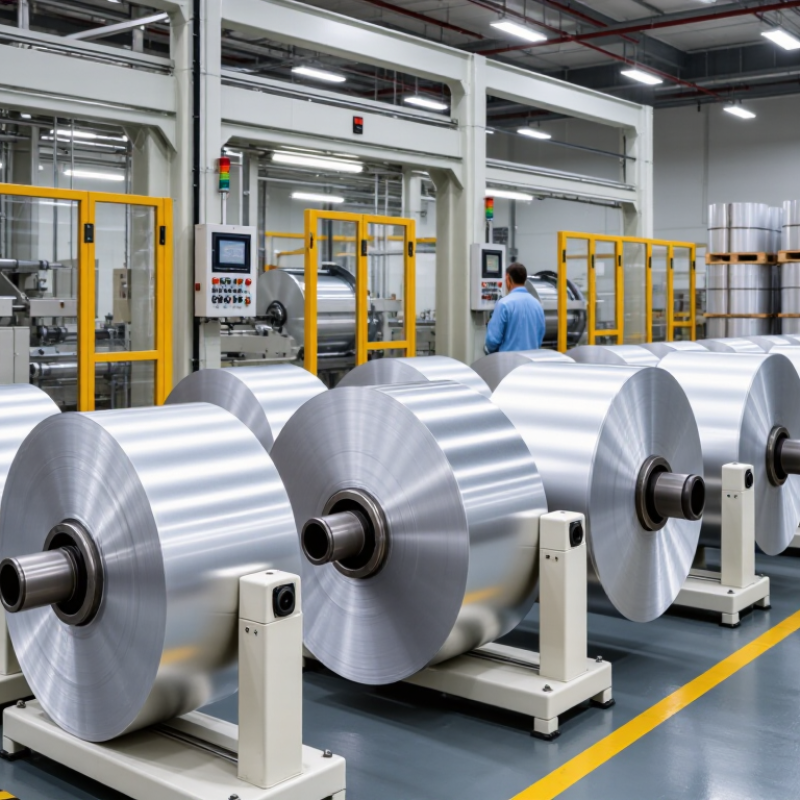
Metallized film is a polymer film coated with an extremely thin metal layer, usually aluminum, under vacuum conditions. It starts with a surface. The base film may be polyester, polypropylene, or another engineered polymer. The metal layer can look mirror-like, yet it remains far thinner than ordinary foil. This structure combines flexibility with partial light, oxygen, and moisture resistance.

During production, surface cleanliness and coating uniformity matter greatly. A small coating variation can create visible streaks or uneven barrier performance. The film may then be laminated, printed, or heat-sealed, depending on its intended use. Thickness, tensile strength, coefficient of friction, and seal behavior should be checked against the final application. Laboratory data helps, but real machine trials reveal problems that datasheets may miss.

Metallized film can reflect light and improve package appearance. It can also reduce material weight compared with a full metal layer. Its barrier performance depends on polymer type, metal coverage, coating defects, humidity, and lamination quality. That difference matters. Buyers should request test methods, tolerance ranges, storage conditions, and batch traceability. A low quoted price may hide unstable gauge control or weak sealing. In my experience, supplier claims need practical verification. Even careful specifications can overlook temperature changes during shipping. No film is perfect. The better question is whether its measured performance fits the product, equipment, and destination market.

2026 Best Metallized Film Manufacturers for Global Buyers?

Metallized Film: Definition, Structure, and Core Performance Features

This representative structure shows the typical thickness contribution of key layers in a flexible metallized-film laminate. A 12 µm PET substrate provides dimensional stability, the vacuum-deposited aluminum layer is commonly measured in nanometers, and the sealant layer contributes most of the laminate thickness. Actual specifications vary according to packaging application, barrier targets, converting method, and required seal strength.

Key Applications Across Packaging, Electronics, and Industrial Sectors

In 2026, global buyers are assessing metallized film manufacturers beyond price and coating shine.

In packaging, vacuum-metallized PET and BOPP films create barriers against oxygen, moisture, and light. Snack wrappers, coffee pouches, and decorative labels depend on stable adhesion and controlled metal coverage. A thin aluminum layer can improve shelf protection while reducing material use.

Yet performance varies. Seal strength may fall when film structures, inks, and heat settings are poorly matched. Buyers should request migration data, barrier test results, roll-width tolerances, and application-specific production samples.

Electronics manufacturers use metallized polyester and polypropylene films in capacitors, insulation systems, shielding layers, and flexible circuits. Pinhole control, dielectric strength, surface cleanliness, and winding consistency matter more than appearance.

Industrial users may specify films for thermal insulation, motor components, labels, or energy-related assemblies. Confirm temperature ratings, tensile behavior, storage conditions, and aging results under humidity and heat. Factory audits provide useful evidence, but they do not replace independent testing. A polished datasheet is not proof. Small inconsistencies can become costly during high-speed conversion.

Tips:

Build a scorecard covering barrier performance, thickness tolerance, quality controls, technical support, and delivery stability. Ask for three consecutive production samples, not one perfect roll. Check how the film behaves after printing, laminating, slitting, and storage. I would also document failures honestly. Real production rarely matches laboratory conditions.

How to Evaluate Metallized Film Manufacturers for Global Procurement

How to Evaluate Metallized Film Manufacturers for Global Procurement

Global buyers should evaluate metallized film manufacturers beyond quoted price. According to Grand View Research, the global metallized films market was valued at approximately USD 3.3 billion in 2023. Demand is supported by flexible packaging, insulation, labels, and industrial laminates. Market figures differ across reports. That difference deserves attention.

Request recent test data for optical density, oxygen transmission rate, water vapor transmission rate, adhesion, coefficient of friction, and thickness tolerance. A bright roll is not enough. Ask for results from both sides of the web. Check whether tests follow ASTM, ISO, or equivalent methods. During sampling, inspect telescoping, edge damage, splice quality, and roll hardness. Small defects can stop a high-speed packaging line.

Supplier reliability also requires process evidence. Review ISO 9001 certification, batch traceability, calibration records, complaint response time, and corrective-action reports. For food-contact applications, request current compliance declarations for every coating, substrate, and adhesive. Smithers’ 2024 flexible packaging analysis highlights continued demand for lightweight, high-barrier structures, but sustainability claims need verification. Ask for recycled content evidence, downgauging data, and end-of-life guidance. Carbon figures may use different boundaries. Compare them carefully. I would also audit capacity against seasonal demand, not only installed machinery. A supplier may pass one trial and fail during peak production. That uncomfortable possibility should remain in the procurement file.

2026 Best Metallized Film Manufacturers for Global Buyers? - How to Evaluate Metallized Film Manufacturers for Global Procurement

Procurement benchmark table based on commonly specified technical ranges and internationally used packaging, electrical, and industrial-film requirements. Confirm current values directly during supplier qualification.
Evaluation Dimension Supplier Profile A Supplier Profile B Supplier Profile C What Global Buyers Should Verify
Primary product focus Flexible packaging and decorative laminates Capacitor and electrical insulation films Industrial, solar, and specialty barrier films Whether the supplier’s coating, slitting, and testing equipment matches the end use
Common substrate films BOPET, BOPP, and cast polypropylene BOPP, BOPET, and polypropylene capacitor film BOPET, BOPP, polyamide, and specialty polymer films Polymer type, grade, thermal stability, tensile strength, and intended converting process
Typical film thickness 8–25 microns 2–12 microns 6–50 microns Nominal thickness, tolerance, thickness profile, and test method
Metallization metals Aluminum; other metals subject to application Aluminum, optimized for electrical performance Aluminum and application-specific metallization options Metal type, purity requirements, adhesion, oxidation resistance, and regulatory suitability
Optical density range Approximately 1.5–3.0 OD Approximately 0.2–1.5 OD, depending on electrical design Approximately 0.3–3.5 OD Target optical density, surface uniformity, and measurement calibration
Barrier performance Medium to high; depends on film structure and lamination Designed primarily for electrical function rather than food barrier Medium to very high for selected multilayer structures OTR, WVTR, test temperature, humidity conditions, and whether values apply before or after lamination
Surface treatment options Corona treatment, printable surface, and lamination grades Controlled surface energy and electrical-grade processing Corona, plasma, primer, and customized coating options Dyne level, treatment aging, ink or adhesive compatibility, and storage life
Maximum practical web width Up to approximately 2,000 mm Up to approximately 2,000 mm Up to approximately 2,500 mm, equipment dependent Usable width, edge trim, roll diameter, core size, and slit-width tolerance
Slitting tolerance Typically ±1–2 mm Typically ±0.5–1 mm for precision electrical applications Typically ±1–2 mm; tighter tolerances may require approval Actual tolerance by width, winding quality, telescoping limits, and inspection records
Quality documentation Certificate of analysis and production inspection report Certificate of analysis, electrical test data, and traceability records Certificate of analysis, barrier data, and batch traceability Lot identification, retention samples, calibration records, and nonconformance procedure
Relevant management systems ISO 9001 commonly requested; food-contact systems where applicable ISO 9001 commonly requested; electrical-sector controls where applicable ISO 9001 and environmental or energy systems may be available Certificate scope, issuing body, validity period, and site covered by certification
Typical minimum order Often 500–2,000 kg per specification Often 300–1,500 kg per specification Often 500–3,000 kg per specification MOQ by width, thickness, metal density, coating, and custom packaging requirements
Indicative production lead time 3–6 weeks after specification approval 4–8 weeks for precision electrical grades 4–8 weeks for customized structures Raw-material availability, production slot, inspection time, and export documentation
Export-readiness indicators Standard export packing and container-load planning Moisture-controlled packing and detailed roll traceability Custom packaging, palletization, and multimodal shipment support Incoterms, HS classification, pallet standards, insurance, and claims process
Best-fit procurement priority Printability, appearance, lamination, and barrier balance Electrical consistency, low defect rate, and precision slitting Customization, high barrier, and broader industrial applications Select according to application risk rather than price alone
Procurement note: Performance values for metallized film vary with substrate grade, metal coverage, coating structure, testing conditions, and converting process. Request samples, current technical data sheets, batch test reports, and written tolerance commitments before approving a supplier.

Leading Manufacturer Capabilities, Certifications, and Customization Options

2026 Best Metallized Film Manufacturers for Global Buyers?

Leading suppliers are judged by more than coating speed. Grand View Research estimates the global metallized films market will continue expanding through 2030, driven by flexible packaging, electronics, and insulation applications. That growth increases pressure on manufacturers to prove stable quality. Experienced plants should control vacuum deposition, film tension, optical density, and seal performance through documented process records. Small variations matter. A dull silver layer can reduce barrier performance and disrupt printing registration.

Certifications provide useful evidence, but they do not replace factory experience. Buyers should request ISO 9001 quality systems, ISO 14001 environmental controls, and food-contact declarations when packaging is involved. BRCGS Packaging Materials or equivalent certification can strengthen supplier evaluation. Smithers’ flexible packaging forecasts identify recyclable structures and material reduction as major development priorities. Manufacturers should therefore offer thinner substrates, water-based coatings, and compatible mono-material designs where technically practical. Claims need testing, not attractive brochures.

Customization separates a capable converter from a catalogue seller. Reliable suppliers can adjust film thickness, aluminum coverage, surface treatment, roll width, core size, and corona level. They should provide COA data, sample rolls, migration results, and barrier testing under defined humidity conditions. ASTM and ISO test methods improve comparability between laboratories. Still, no supplier is perfect. Trial orders may reveal curling, odor, or inconsistent adhesion that specifications miss. Global buyers should inspect production samples, challenge lead-time promises, and record corrective actions before approving long-term volumes.

International Sourcing, Quality Control, and Market Selection Criteria

2026 Best Metallized Film Manufacturers for Global Buyers?

International sourcing starts with clear technical requirements. Define film base, metallization thickness, width tolerance, roll diameter, and end use. Ask manufacturers for recent test reports, not only brochures. Useful data includes optical density, surface resistivity, tensile strength, adhesion, and moisture performance. Samples should match production material. A perfect sample proves little.

Quality control needs evidence at several stages. Review incoming resin checks, coating records, vacuum deposition controls, and final inspection procedures. Request batch traceability and retention samples. A factory visit can reveal storage conditions, calibration habits, and actual line capacity. Clean floors help, but they do not replace reliable records. Third-party testing may confirm critical properties, although testing budgets are often underestimated.

Tips: Compare at least three qualified suppliers. Use one shared specification sheet. Check lead times during peak seasons. Confirm packaging against humidity and handling risks. Evaluate communication speed, corrective-action reports, and export experience. Ask how defects are contained before shipment. Do not select only by price; unstable quality can damage converting schedules and customer trust. Market selection also matters. Choose suppliers near practical shipping routes, with flexible minimum orders and transparent payment terms. No scorecard is perfect. Revisit it after the first three shipments.